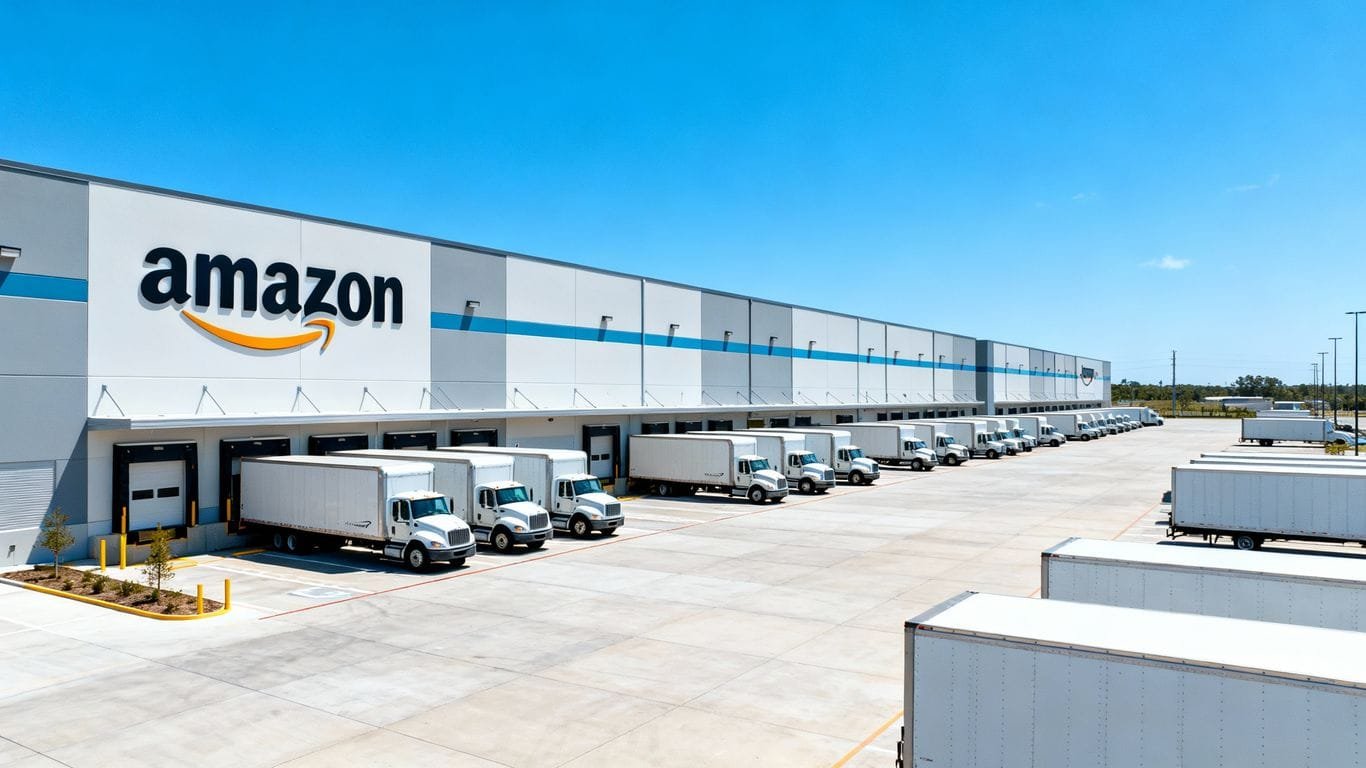
Explore the Growing Network: Amazon in Canada Warehouse Locations and Opportunities
Amazon’s presence in Canada is growing, and it’s not just about online shopping anymore. Their network of warehouses across the country is a huge part of how they get products to people quickly. We’re going to take a look at this growing network, what goes on inside these buildings, and what it means for sellers, job seekers, and even drivers. Understanding the amazon in canada warehouse system is key to seeing how they operate and where they’re headed.
Key Takeaways
Amazon’s warehouse network in Canada includes different types of facilities like fulfillment centers, sortation centers, and delivery stations, each with a specific role in getting orders to customers.
Technology, including robots and AI, plays a big part in how these amazon in canada warehouse locations operate, making processes faster and more efficient.
The expansion of Amazon’s warehouse presence in Canada creates various opportunities for sellers using FBA, people looking for jobs, and drivers involved in the final delivery stages.
Knowing the locations and types of Amazon warehouses is helpful for sellers planning shipments and for understanding delivery times.
Amazon continues to expand its operations in Canada, with plans for new facilities and a focus on faster delivery options, showing a commitment to growth in the Canadian market.
Unpacking the Amazon in Canada Warehouse Network
A Look at the Growing Canadian Footprint
Amazon’s presence in Canada isn’t just a few scattered buildings; it’s a carefully constructed network designed to get products to Canadians faster than ever. Think of it as a giant, ever-expanding logistical puzzle. Over the years, Amazon has steadily built up its infrastructure across the country, from coast to coast. This growth isn’t random; it’s strategic, aiming to place facilities where they make the most sense for delivery speed and efficiency. The sheer scale of this network is impressive, with new locations popping up regularly. It’s a testament to how seriously Amazon takes the Canadian market and its commitment to serving customers here. This expansion means more jobs, more opportunities for sellers, and quicker deliveries for everyone.
Beyond the Big Boxes: Understanding Facility Types
When you hear “Amazon warehouse,” you might picture a massive building. And sure, they have those. But Amazon’s network is actually made up of several different types of facilities, each with its own job. It’s not just one big storage unit.
Fulfillment Centers (FCs): These are the main hubs where items are stored, picked, packed, and shipped out. They’re the heart of the operation.
Sortation Centers (SCs): Once packages are ready, they come here to be sorted by destination. This is where the magic happens to ensure your package goes to the right city or town.
Delivery Stations: These are the final stops before your package reaches your doorstep. They handle the last leg of the journey, making local deliveries.
Prime Now Hubs: For those times you need something yesterday, these specialized spots focus on super-fast, often same-day, delivery.
Understanding these different roles helps paint a clearer picture of how Amazon gets things done. It’s a complex system, but each piece plays a vital part.
The Strategic Placement of Amazon Warehouses
Why build a warehouse here and not there? It’s all about location, location, location. Amazon’s warehouse placement is a masterclass in logistics. They look at population density, major transportation routes, and proximity to customers. Building facilities near large urban centers means quicker delivery times for a huge number of people. It also helps reduce the distance packages have to travel, cutting down on shipping costs and environmental impact. For sellers, knowing where these hubs are can be a game-changer for managing inventory and getting products to customers efficiently. It’s about being in the right place at the right time, and Amazon has gotten very good at it. This strategic approach is key to their ability to serve customers across Canada, and even internationally, like expanding your business to Amazon Europe.
The placement of these facilities isn’t just about convenience; it’s a calculated move to optimize the entire supply chain. By distributing their network strategically, Amazon aims to minimize transit times, reduce operational costs, and ultimately, provide a superior customer experience. This thoughtful distribution is what allows them to promise fast delivery times, even across vast distances.
The Engine Room: How Amazon Warehouses Operate
Think of Amazon’s warehouses not just as giant storage units, but as finely tuned machines. Each type of facility has a specific job, all working together to get that package from a click to your doorstep. It’s a complex dance, and understanding the different players is key.
Fulfillment Centers: The Heart of the Operation
These are the big kahunas, the main hubs where your stuff actually lives. When you send your products to Amazon for Fulfillment by Amazon (FBA), this is where they land. Inside, it’s a hive of activity. Items are stored, then when an order comes in, they’re picked, packed with care (or at least, with efficiency!), and sent on their merry way. These centers are the primary engines driving the entire fulfillment process. They handle a massive volume, and keeping them running smoothly is no small feat, especially during those crazy holiday rushes. It’s where the magic, or at least the logistics, begins.
Sortation Centers: The Navigators of Delivery
Once an item is packed at a Fulfillment Center, it doesn’t just magically appear at your door. That’s where Sortation Centers come in. Imagine a giant mailroom, but way more high-tech. Packages arrive here and are sorted based on their final destination. This step is all about grouping items so they can be sent out efficiently to the next stop on their journey. It’s like a super-organized postal service, making sure your package is heading in the right direction.
Delivery Stations: The Final Frontier
These are the unsung heroes of the last mile. Delivery Stations are smaller, local hubs. Packages arrive here from Sortation Centers, and this is where they get loaded onto delivery vans. This is the final staging ground before your order makes its grand entrance. From here, drivers take the packages out into the neighborhoods, completing the journey and bringing the goods right to your home. It’s the closest point to the customer, and it’s all about speed and accuracy for that final handover. If you’re a seller looking to streamline your operations, exploring Amazon seller management services can be a smart move to optimize how your products move through these different stages.
Innovation at the Core: Technology in Canadian Facilities
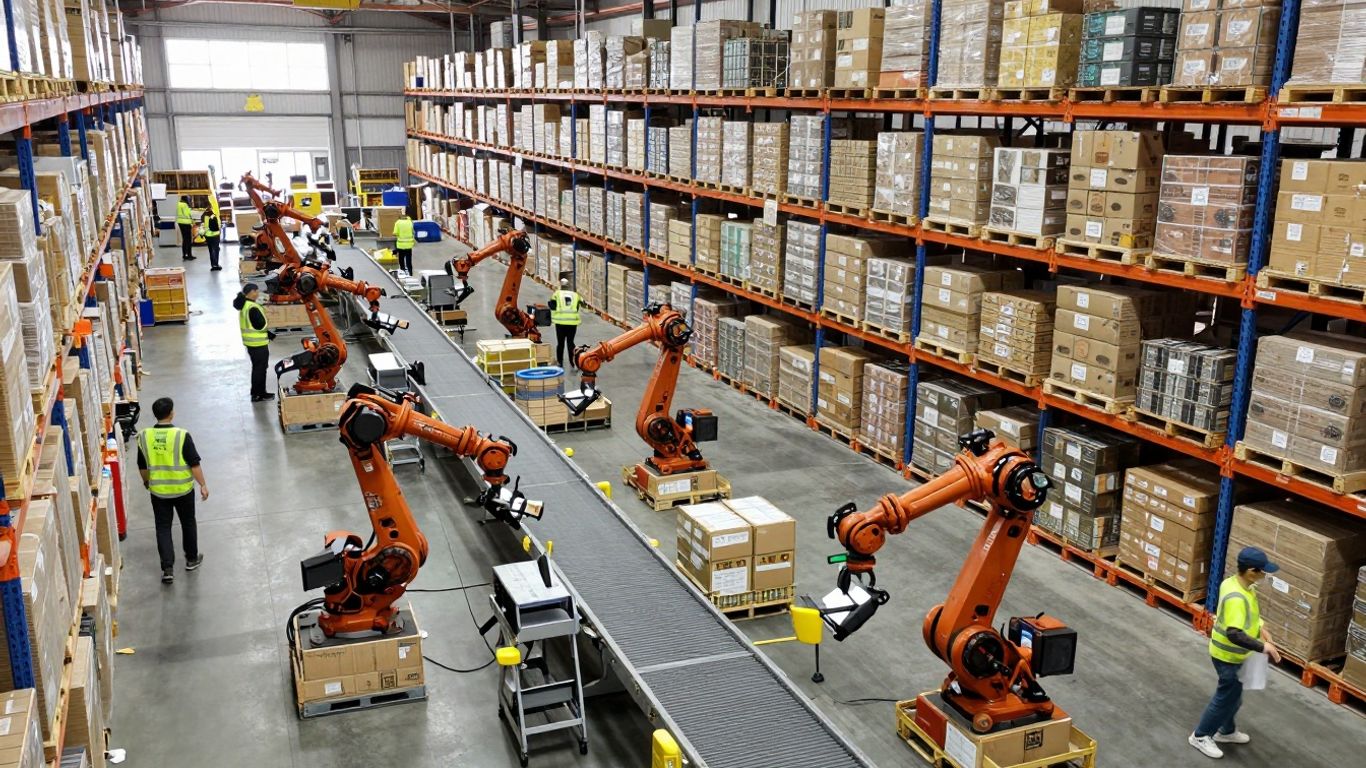
Walking into an Amazon warehouse in Canada is like stepping into the future, if the future involves a lot of organized chaos and really fast-moving robots. These aren’t your grandpa’s dusty storage units; they’re high-tech hubs buzzing with activity. Amazon is constantly tweaking and upgrading the tech inside these buildings to make sure your stuff gets from point A to point B with the least amount of fuss. It’s a pretty wild scene, honestly.
Robotics and Automation: Speeding Up the Process
Forget about humans wandering aimlessly looking for that one specific widget. Amazon’s warehouses are increasingly populated by robots. These aren’t the walking, talking kind from sci-fi movies, but rather efficient machines that glide around, bringing shelves of products to human workers. This system means less walking for employees and faster picking of items. Think of it as a giant, automated scavenger hunt where the robots do most of the heavy lifting (literally).
AI-Powered Inventory Management
Keeping track of millions of items sounds like a headache, right? Amazon uses artificial intelligence to manage its inventory. This tech helps decide where to store things, how much stock to keep, and when to reorder. It’s all about making sure that when you click ‘buy,’ the item is actually there and ready to go. This smart system helps prevent those annoying “out of stock” messages and keeps the whole operation running smoothly. Staying informed about Amazon Seller Central updates for 2026 is key to understanding how these systems impact your business. Seller Central updates
Driving Customer Obsession Through Tech
At the end of the day, all this tech is aimed at one thing: making customers happy. Faster processing, fewer errors, and quicker deliveries all add up to a better shopping experience. It’s a constant cycle of improvement, using data and new technologies to figure out how to serve us better. It’s pretty impressive when you think about the sheer scale of it all.
The goal is simple: get the right product to the right person at the right time, with as little friction as possible. Technology is the secret sauce that makes this massive operation tick, turning complex logistics into a seemingly effortless customer experience.
Opportunities Abound: Working with Amazon Warehouses
So, you’re thinking about getting involved with Amazon’s Canadian warehouse scene? It’s more than just a bunch of big buildings; it’s a whole ecosystem with different ways to jump in. Whether you’re looking to sell stuff, find a job, or even drive for them, there are paths for you.
For Sellers: Leveraging the FBA Network
If you’ve got products to sell, Amazon’s Fulfillment by Amazon (FBA) network is pretty much the gold standard. You send your inventory to Amazon, and they handle the storing, picking, packing, and shipping. It’s a huge time-saver, letting you focus on, well, selling. This means less stress about logistics and more time to grow your business.
Here’s a quick rundown of how it works:
Send Inventory: Pack up your products and ship them to designated Amazon fulfillment centers. Amazon has a bunch of these across Canada, strategically placed to reach customers efficiently.
Amazon Stores It: They’ll receive, check, and store your items in their massive warehouses.
Customer Orders: When a customer buys your product on Amazon, they take care of everything – packaging and shipping it out.
Customer Service: Amazon also handles most customer service inquiries related to those orders.
It’s a pretty sweet deal for sellers who want to reach a massive customer base without building their own distribution network. You can find more details about corporate jobs and career programs if you’re interested in the operational side.
For Job Seekers: Joining the Amazonian Team
Amazon is a massive employer, and their warehouses are always looking for people. We’re talking about roles that keep the whole operation running smoothly. Think about working in roles like:
Order Fulfillment Associates: The folks who pick and pack items.
Inventory Control Specialists: Making sure everything is where it should be.
Team Leads and Supervisors: Guiding teams and ensuring efficiency.
Maintenance Technicians: Keeping the robots and machinery in tip-top shape.
These jobs often come with competitive pay and benefits, and it’s a chance to be part of a company that’s constantly innovating. Plus, you get to see firsthand how all those packages get to people’s doors.
Working in an Amazon warehouse means being part of a fast-paced environment where efficiency and accuracy are key. It’s a hands-on role that contributes directly to customer satisfaction.
For Drivers: The Last Mile Advantage
If you prefer being on the road, Amazon also needs delivery drivers. These are the folks who make sure your packages arrive on time, right to your doorstep. You could be working directly for Amazon or through one of their Delivery Service Partners (DSPs). It’s a great way to be your own boss, set your own hours (to an extent), and be an integral part of the final step in the customer’s journey. You’ll be navigating local streets, making deliveries, and being the friendly face of Amazon in the community.
Navigating the Network: Finding Your Nearest Hub
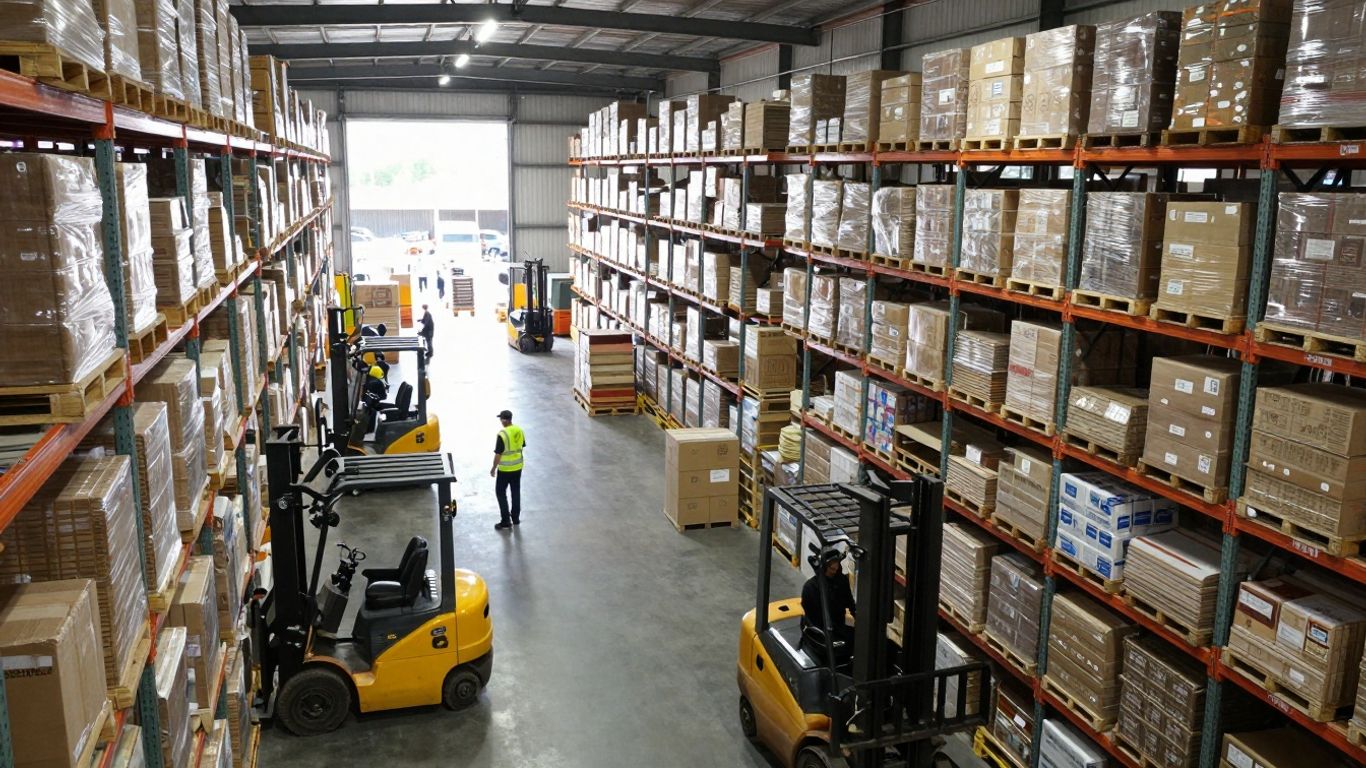
So, you’re trying to figure out where all these Amazon warehouses are, huh? It’s like a treasure hunt, but instead of gold, you’re looking for packages and maybe a new job. Amazon’s got a pretty extensive network across Canada, and knowing where things are is half the battle. Whether you’re a seller trying to get your products to customers efficiently, a driver looking for your next pickup, or just curious about the sheer scale of it all, pinpointing these locations is key.
Locating Specific Amazon Warehouse Addresses
Finding the exact address for an Amazon facility isn’t usually a secret. Think of it like finding a major store – they want people to know where they are, especially if you’re working with them. You can often find lists online that break down locations by province. These lists usually include the full street address, which is super helpful. It’s not like you can just wander in and ask for a tour, though. These places are busy operations, and access is generally restricted to employees and authorized partners.
Understanding Facility Codes for Precision
Beyond just the street address, Amazon uses specific codes for each of its locations. You’ll see things like ‘YYZ1’ or ‘YVR2’. These aren’t just random letters and numbers; they actually tell you something about the facility. For example, the first few letters often relate to the general area or city, and the number might indicate a specific building or expansion phase. These codes are really important for things like inventory management and making sure your shipments go to the right place. If you’re a seller using Fulfillment by Amazon (FBA), getting these codes right is pretty important for managing your inventory.
Planning Your Inbound Shipments with Confidence
Knowing the addresses and codes is great, but what does it mean for you? If you’re sending products to Amazon, you need to know which facility to ship to. Amazon usually provides this information when you set up your shipping plan. They’ll tell you exactly where your items need to go. It’s not usually a free-for-all where you pick any warehouse. They have a system for directing inventory to where it’s needed most, which helps keep things moving smoothly.
Here’s a quick rundown of what different facility types mean:
FC (Fulfillment Center): This is where the magic happens – storing, picking, packing, and shipping your orders.
SC (Sortation Center): These are like the sorting hubs, getting packages ready for their final delivery routes.
Delivery Station: The last stop before your package hits the road for its final journey to your doorstep.
Amazon’s network is designed for speed and efficiency. Understanding the different types of facilities and their locations helps everyone involved, from sellers to drivers, work within that system more effectively. It’s all about getting the right item to the right place at the right time.
The Future is Now: Expansion and Evolution
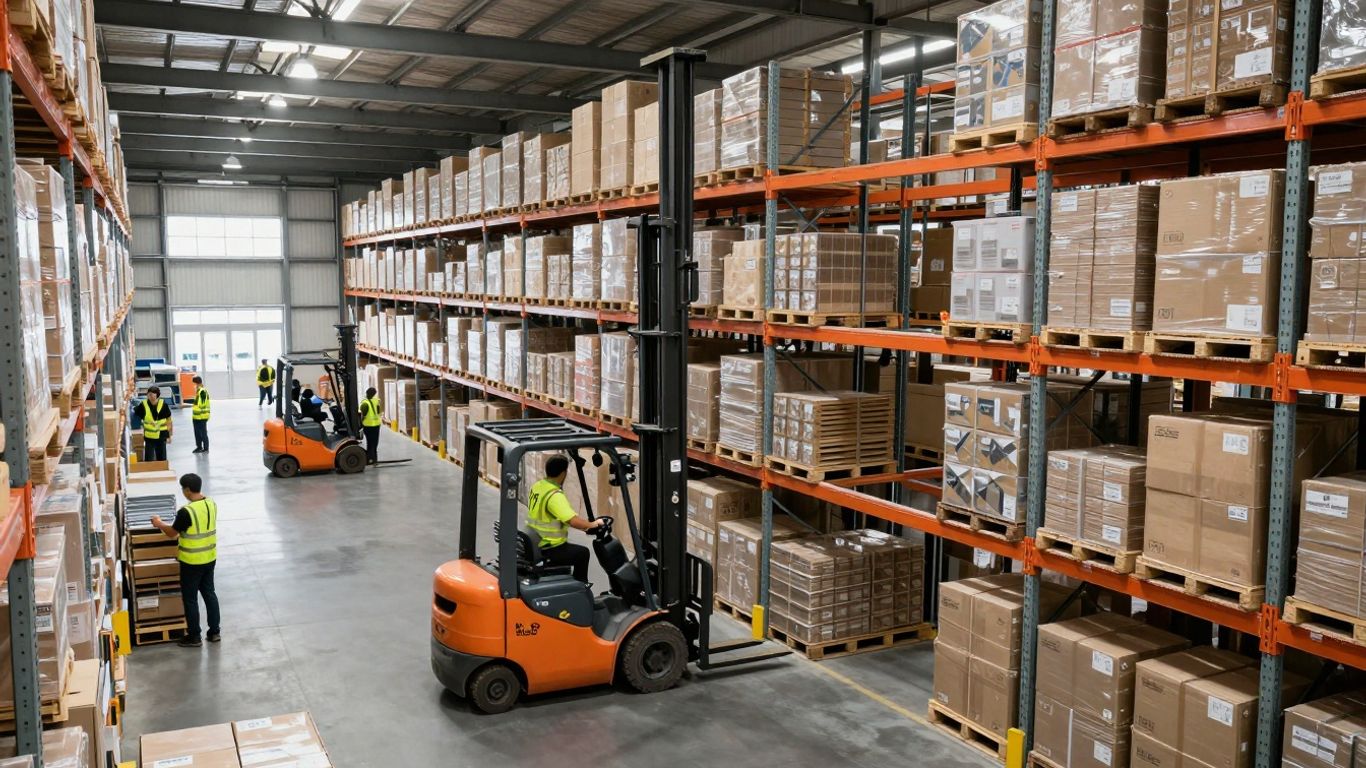
Amazon isn’t exactly known for standing still, and Canada is no exception. The company is constantly looking for ways to get packages to your doorstep faster, which means more buildings and smarter ways of using the ones they already have. It’s like a never-ending game of logistical chess, but with more robots and less complaining about pawn moves.
Anticipating New Warehouse Locations
Think of Amazon’s warehouse network as a living, breathing thing. It grows, it adapts, and it definitely needs more space as more people click ‘buy now.’ While they don’t exactly hand out a map of future sites, it’s safe to say they’re eyeing areas with good transportation links and growing populations. They’re always on the hunt for places where they can build or lease new facilities to keep up with demand. This ongoing expansion is key to their promise of quick delivery.
The Role of Prime Now Hubs in Speed
Remember when getting something the same day felt like science fiction? Well, Amazon’s Prime Now hubs are making it a regular Tuesday. These aren’t your massive fulfillment centers; they’re smaller, strategically placed spots designed for super-fast delivery of everyday items. Think of them as the pit stops for your urgent needs. They’re stocked with popular goods, ready to be picked and sent out the door the moment an order comes in. It’s all about shaving off those precious minutes.
Amazon’s Commitment to Growth in Canada
It’s pretty clear Amazon sees big things for Canada. They’ve been investing heavily, not just in buildings but also in the people who work in them and the technology that makes it all tick. This isn’t just about adding more square footage; it’s about refining the entire process. From better inventory tracking to more efficient sorting, the goal is always the same: get the right item to the right customer, right on time. They’re committed to being a major player in Canadian e-commerce for the long haul.
The world is changing fast, and so is selling online! We’re always finding new ways to help you succeed on Amazon. From smart advertising to making your product pages shine, we’re here to help you grow. Ready to see what’s next? Visit our website to learn how we can help your business reach new heights!
Wrapping It Up: Amazon’s Canadian Footprint
So, there you have it. Amazon’s presence in Canada isn’t just a few buildings; it’s a whole network designed to get stuff to people fast. From massive fulfillment centers to those handy delivery stations, they’ve really built out a system. And for sellers? It means more chances to get your products out there. It’s kind of wild to think about all the moving parts, but hey, that’s how we get our packages so quickly. Keep an eye on this space, because Amazon isn’t slowing down its Canadian expansion anytime soon.
Frequently Asked Questions
What are the different kinds of Amazon warehouses in Canada?
Amazon doesn’t just have one type of warehouse. They have several kinds, each with a special job. There are Fulfillment Centers where items are stored, picked, and packed. Then, Sortation Centers help sort packages by where they’re going. Delivery Stations are the last stop before your package reaches your home. They even have special Prime Now Hubs for super-fast delivery!
How does Amazon decide where to build its warehouses?
Amazon places its warehouses smartly. They think about where most people live and shop. They want to be close enough to get packages to customers quickly and keep shipping costs down. It’s all about making deliveries faster and easier for everyone.
What kind of jobs are available at Amazon warehouses?
Amazon warehouses offer lots of different jobs! You can work in packing and shipping, managing inventory, or even driving. They also have jobs for people who work with technology, like engineers who build the robots. Amazon is always looking for people who want to help customers.
How can I find the closest Amazon warehouse to me?
You can find lists of Amazon warehouse addresses online. These lists often show the location code and the type of facility. Looking at these lists, especially ones organized by state or province, will help you see which warehouses are nearest to your area.
Are Amazon warehouses high-tech places?
Yes, Amazon warehouses are very high-tech! They use cool robots to help move things around and sort packages faster. They also use smart computer programs, like artificial intelligence, to keep track of all the items. This technology helps make sure you get your orders quickly and accurately.
Is Amazon planning to open more warehouses in Canada?
Amazon is always growing and looking for ways to serve customers better. They often open new warehouses and delivery centers to keep up with demand. So, it’s likely they will continue to expand their network in Canada, bringing more jobs and faster delivery options.