Amazon Selling: Let’s Get Started in US and Europe!
Thinking about selling products online? Amazon is a huge marketplace where people buy all sorts of things, and it might be a good spot for you to start. This guide will walk you through the basics of how to start selling on Amazon, from figuring out what to sell to getting it to your customers. It’s not too complicated to get going, and there are tools to help you along the way.
Key Takeaways
Selling on Amazon gives you access to a massive customer base, which can help your products reach more people.
Before you start, you’ll need to pick a selling plan and set up your Amazon seller account.
Finding the right products to sell involves looking into what people are buying and understanding Amazon’s categories.
Making your product listings look good with clear titles, descriptions, and images is important for attracting buyers.
You have options for how your products get to customers: either Amazon handles it (FBA) or you do it yourself (FBM).
Why Sell on Amazon?
Thinking about selling online? Amazon is a pretty big deal, and for good reason. Millions of shoppers visit the site every single day, looking for everything from everyday essentials to unique finds. This massive customer base means your products have a chance to be seen by a lot of people, which is a huge plus when you’re just starting out.
It’s not just about the sheer number of customers, though. Amazon offers a bunch of tools and programs designed to make selling easier. For instance, Fulfillment by Amazon (FBA) can handle storing your products, packing them, shipping them out, and even dealing with customer returns. This can save you a ton of time and hassle, letting you focus on other parts of your business. Plus, shipping through FBA can often be cheaper than using other carriers, especially for US-based sellers.
Another big draw is the trust factor. Customers already know and trust Amazon. When they buy from a seller on Amazon, they often feel more secure than buying from a brand-new website they’ve never heard of. This built-in trust can make a big difference in getting those first sales.
Here are a few key reasons to consider selling on Amazon:
Access to a Huge Customer Base: Tap into millions of shoppers actively looking to buy.
Logistics Support: Programs like FBA take care of storage, shipping, and returns.
Brand Building Tools: Resources like Amazon Brand Registry help protect your intellectual property and connect with customers.
Advertising Options: Tools to help your products get noticed within the Amazon marketplace.
While the core process of selling online on Amazon is similar across different regions, there are differences to be aware of, like the specifics of amazon seller central US vs Europe. Understanding these nuances can help you tailor your approach. It’s a platform that provides a solid foundation for many sellers, from individuals with a few items to larger businesses looking to expand their reach.
Getting Started: Your Amazon Selling Journey
So, you’re ready to jump into selling on Amazon? That’s awesome! It might seem a little daunting at first, but breaking it down makes it totally manageable. This part is all about getting your ducks in a row before you start listing products and making sales. Think of it as building the foundation for your online store.
Choosing Your Selling Plan
First things first, you need to pick a selling plan. Amazon offers two main options: the Individual plan and the Professional plan. The Individual plan is great if you’re just starting out and plan to sell fewer than 40 items per month. There’s no monthly subscription fee, but you pay a per-item fee when you make a sale. On the other hand, the Professional plan has a monthly fee, but you don’t pay that per-item selling fee. It also gives you access to more advanced tools and reports, which can be super helpful as you grow. It’s really about matching the plan to your current sales volume and future goals.
Setting Up Your Amazon Seller Account
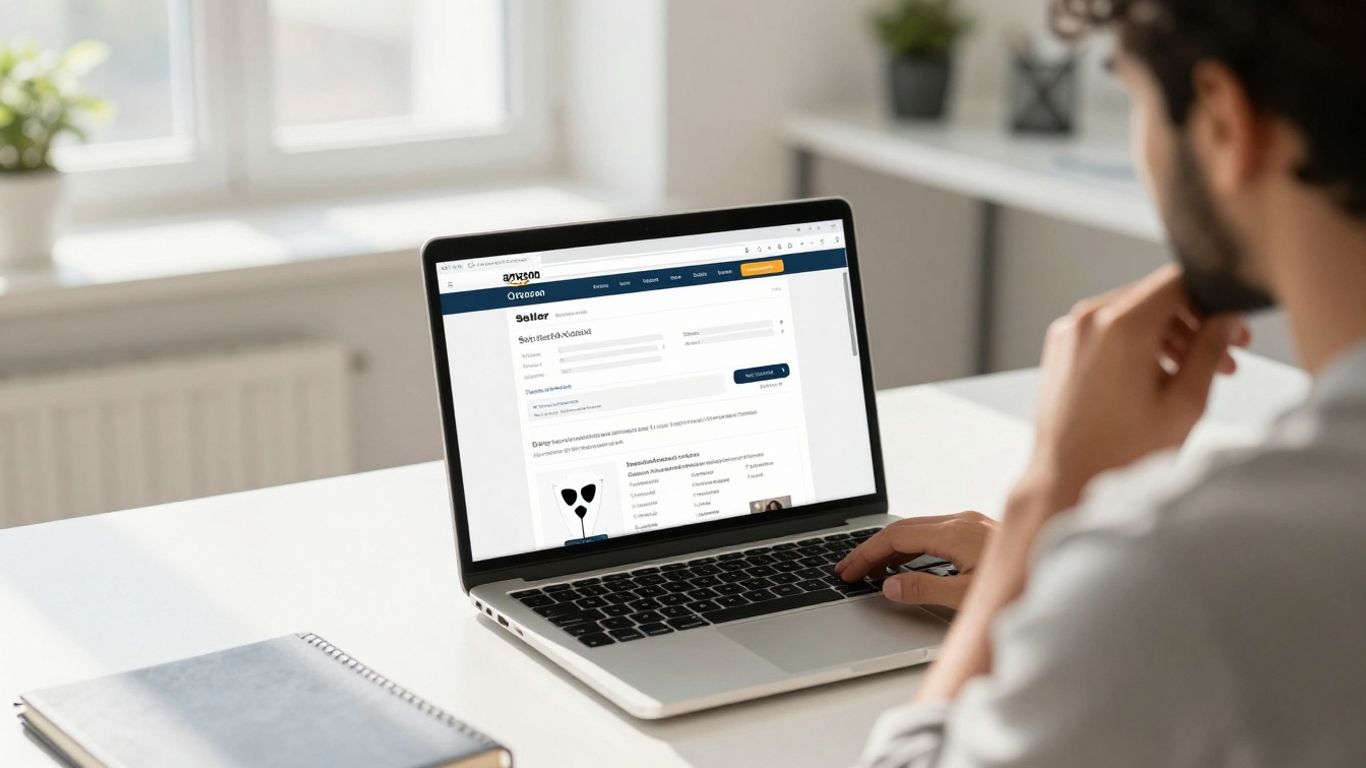
Once you’ve chosen your plan, it’s time to create your seller account. This is where you’ll actually register to become an Amazon seller. You’ll need some basic business information, like your contact details, bank account information for payments, and a credit card for any fees. You’ll also need to verify your identity. The whole process is managed through Amazon Seller Central, which is basically your dashboard for everything related to selling on Amazon. It’s your central hub for managing listings, orders, and customer service. Getting this set up correctly is a big step in launching products on Amazon.
Here’s a quick look at what you’ll generally need:
Business Information: Legal name, address, contact info.
Banking Information: Account and routing numbers for deposits.
Payment Method: A credit card for fees.
Tax Information: Your tax ID number.
Don’t rush through the account setup. Double-checking all your details ensures a smoother experience down the road. It’s better to get it right the first time.
This initial setup is a key part of your amazon seller central guide. It’s where you’ll spend a lot of time managing your business. For a more detailed walkthrough, check out this guide on initial steps.
What to Sell on Amazon?
So, you’re ready to start selling on Amazon, but the big question is: what exactly should you sell? It can feel a bit overwhelming with so many options out there. The good news is, there are plenty of product types that do well on the platform. Finding the right product is a mix of research and understanding what customers are looking for.
Product Research: Finding Your Niche
This is probably the most important step. You don’t want to just guess; you need to do some digging. Think about what problems you can solve for people or what hobbies they have. Are you passionate about something? Sometimes, that passion can translate into a successful product idea. Look at what’s already selling well, but also try to find a gap or a way to do something better. Maybe you can offer a unique variation of an existing product or bundle items together in a new way. Tools like Amazon’s own Best Sellers list can give you a general idea, but digging deeper into specific subcategories is where you might find your goldmine. Consider products in categories like Home & Kitchen, Electronics, Beauty, Baby Products, and Pet Supplies, as these often see high demand. These categories are popular for a reason.
Understanding Amazon’s Product Categories
Amazon has a massive number of product categories, and each one has its own rules and customer base. Some categories are more competitive than others. For instance, trying to sell a generic phone case might be tough because there are already thousands of sellers. However, a specialized accessory for a new, popular gadget might have less competition. It’s also important to understand if there are any restrictions on certain products. Some items, like certain chemicals or hazardous materials, require special approval or can’t be sold at all. Always check Amazon’s specific category guidelines before you invest in inventory. You can find information on restricted products and category requirements within Seller Central.
Here’s a quick look at some popular areas:
Home & Kitchen: Think kitchen gadgets, organization items, bedding, and decor.
Electronics: Accessories, chargers, small gadgets, and computer peripherals often do well.
Beauty & Personal Care: Skincare, makeup, hair care products, and grooming tools.
Pet Supplies: Food, toys, grooming tools, and accessories for pets.
Toys & Games: Educational toys, board games, and outdoor play items.
Don’t get discouraged if a category seems crowded. Often, success comes from finding a specific niche within that larger category and serving a particular customer need exceptionally well. It’s about being smart with your product selection and offering something customers genuinely want.
Remember, the goal is to find a product that has demand but also allows you to stand out. It takes time and effort, but getting this part right sets you up for a much smoother selling journey.
Listing Your Products
Okay, so you’ve got your selling plan sorted and your account is set up. Now comes the fun part: actually getting your products in front of Amazon shoppers. This is where your items go from being just ‘stuff you own’ to ‘potential sales.’ It’s not just about throwing up a picture and a price; you really need to think about how you present your items. Making your listings shine is key to getting noticed and making sales.
Crafting Compelling Product Titles and Descriptions
Think of your product title as the headline of a newspaper article. It needs to grab attention and tell people what the product is, fast. Use keywords that customers are actually searching for. Don’t just say ‘Blue Widget’; try ‘Durable Blue Widget for Home and Garden Use.’ Include key features and benefits right up front. For the description, you want to paint a picture. What problem does your product solve? How will it make the customer’s life better? Use bullet points to break up information and make it easy to scan. This is where you can really sell the value of your item.
Here’s a quick breakdown for a good title:
Brand Name: If you have one.
Key Product Feature: What is it?
Benefit/Use Case: Why should they care?
Material/Size (if applicable): Important details.
High-Quality Product Images: Your Visual First Impression
People can’t touch or feel your product online, so your images have to do all the heavy lifting. Your photos are often the very first thing a potential buyer sees, and they make a huge difference. Use clear, well-lit photos that show the product from multiple angles. The main image should be on a plain white background, showing just the product. Then, add lifestyle shots showing the product in use, close-ups of important details, and maybe even a size comparison. If you’re selling clothing, show it on a model. If it’s furniture, show it in a room setting. Good images build trust and make shoppers feel more confident about clicking ‘Add to Cart.’ You can start the process of getting your item ready for sale by navigating to the ‘Inventory’ tab and selecting ‘Add a Product’ within Seller Central to list a product on Amazon Seller Central.
Remember, Amazon has specific image requirements, like minimum pixel dimensions and file formats. It’s worth checking those guidelines to avoid any listing hiccups. Getting this right upfront saves a lot of headaches later on.
Fulfillment Options: Getting Your Products to Customers
So, you’ve got your products ready to go, but how do they actually get to the people buying them? This is where fulfillment comes in, and Amazon gives you a couple of main ways to handle it. Choosing the right fulfillment method can seriously impact your costs, how fast customers get their orders, and even how much time you spend on the day-to-day grind of your business.
Fulfillment by Amazon (FBA) vs. Fulfillment by Merchant (FBM)
Let’s break down the two big choices:
Fulfillment by Amazon (FBA): With FBA, you send your products in bulk to Amazon’s warehouses. When a customer buys something, Amazon handles all the picking, packing, shipping, and even customer service and returns. It’s like outsourcing the whole delivery process to them.
Fulfillment by Merchant (FBM): This is where you keep your inventory and manage all the shipping yourself. When an order comes in, you’re responsible for packing it up and sending it out to the customer.
Here’s a quick look at how they stack up:
Feature | Fulfillment by Amazon (FBA) | Fulfillment by Merchant (FBM) |
|---|---|---|
Storage | Amazon warehouses | Your own warehouse or storage space |
Order Processing | Amazon handles picking, packing, and shipping | You handle picking, packing, and shipping |
Customer Service | Amazon handles most customer inquiries and returns | You handle all customer inquiries and returns |
Shipping Speed | Often qualifies for Prime (2-day shipping) | Depends on your shipping provider and efficiency |
Cost Structure | Storage fees, fulfillment fees per item | Shipping costs, packaging materials, labor |
Control | Less direct control over the fulfillment process | Full control over the fulfillment process |
When you use FBA, Amazon takes care of a lot of the heavy lifting. This can be a huge time-saver, especially if you’re just starting out or have a lot of products. Plus, offering Prime shipping can really make your products stand out to a lot of shoppers.
Think about what makes the most sense for your business. If you want to offload the logistics and potentially reach more customers with fast shipping, FBA is a strong contender. If you prefer to keep a closer eye on your inventory and have more direct control over the customer experience, FBM might be your route. There’s no single right answer; it really depends on your resources and goals.
Getting your products to your customers is a big part of selling online. We help you figure out the best ways to ship your items, making sure they arrive safely and on time. Whether you’re shipping across town or across the country, we have solutions to fit your needs. Want to learn more about how we can help you deliver your products? Visit our website today!
Wrapping It Up
So, that’s the basic rundown on getting started with selling on Amazon. It might seem like a lot at first, with all the accounts, listings, and shipping stuff to figure out. But honestly, most of it is pretty straightforward once you get into it. Just take it one step at a time, use the resources Amazon provides like Seller University, and don’t be afraid to experiment a little. You’ve got this. Now go make some sales!
Frequently Asked Questions
Why should I consider selling my products on Amazon?
Amazon is a huge online marketplace where millions of people shop every day. By selling there, you can reach a massive audience, potentially boosting your sales significantly. Plus, Amazon offers tools and programs to help small businesses like yours succeed.
What’s the difference between Fulfillment by Amazon (FBA) and Fulfillment by Merchant (FBM)?
With FBA, you send your products to Amazon’s warehouses, and they handle storing, packing, shipping, and customer service. With FBM, you do all of that yourself from your own location.
How do I figure out what products to sell?
It’s all about product research! Look for items that people are searching for but might not have tons of options for already. Think about what problems your product can solve or what unique value it offers. Exploring different product categories on Amazon can also give you ideas.
What makes a good product listing?
A great listing needs a catchy title that clearly says what the product is, and a description that highlights its benefits and features. High-quality photos are super important too – they’re the first thing shoppers see and can make a big difference in whether they buy.
Do I need a special account to sell on Amazon?
Yes, you’ll need to set up an Amazon Seller Account. There are different selling plans, so you can choose one that best fits how much you plan to sell. For example, if you only have a few items, a different plan might be better than if you plan to sell a lot.
How much does it cost to sell on Amazon?
There are a few costs involved. You might pay a monthly fee for your selling plan, and there are also fees for each item sold, especially if you use FBA. Amazon also offers ways to get incentives, like money back on your first sales, which can help offset costs.
Can I sell products that I make myself?
Absolutely! Amazon has a section called Amazon Handmade specifically for genuine, handcrafted items. It’s a great way to connect with customers looking for unique, artisan products.
What if I want to sell products I’ve found used or refurbished?
You can! Amazon Renewed is a program for selling pre-owned products that have been inspected and tested to work and look like new. This allows you to offer quality used items to customers.