Amazon FBA growth: What Top Brands Do Differently
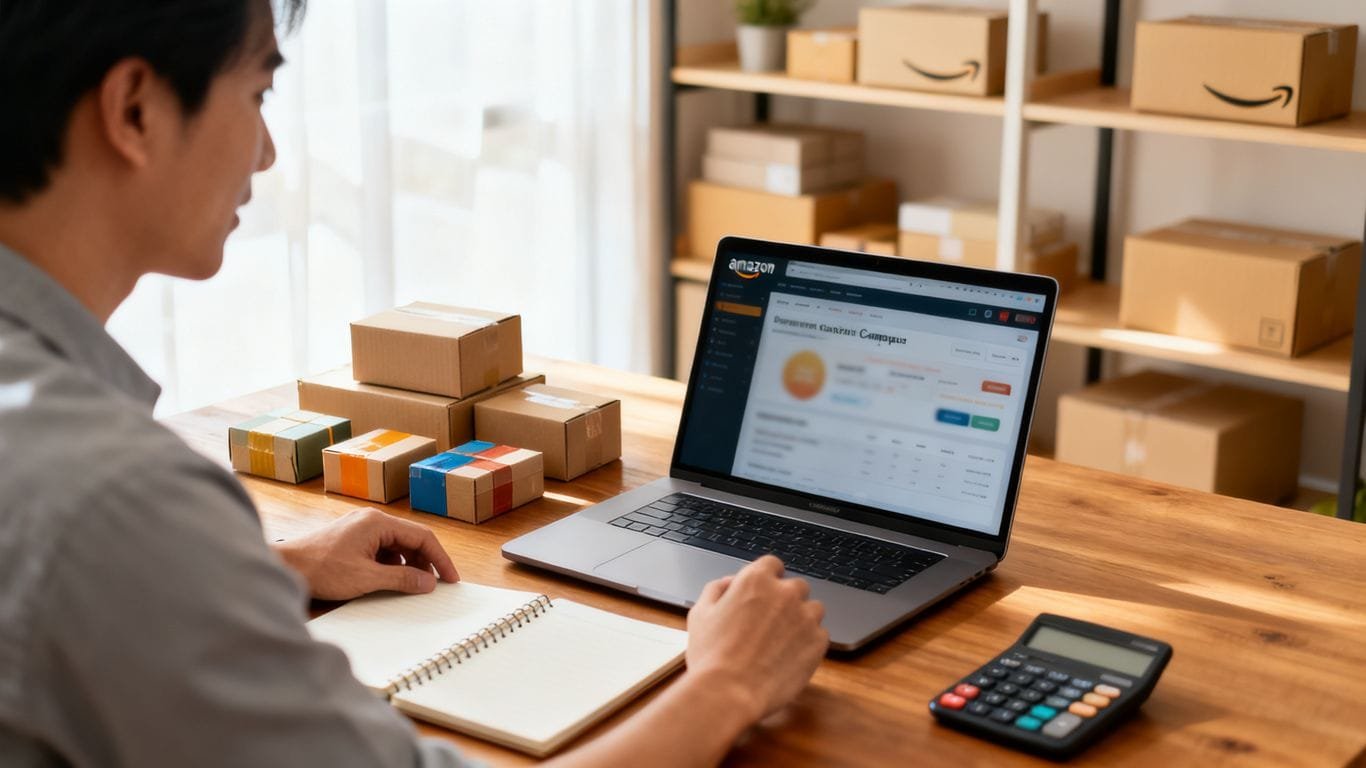
So, you’re trying to make your brand pop on Amazon, huh? It’s a jungle out there, especially when you’re using Fulfillment by Amazon (FBA). Lots of sellers think FBA is the magic bullet for Amazon FBA growth, and sure, it helps with shipping and Prime. But if you’re not careful, your brand can get lost in the shuffle. We’re going to look at what the big players do differently to stand out, whether they’re using FBA or their own shipping methods. It’s not just about having a good product; it’s about how you present it and connect with people.
Key Takeaways
- FBA makes selling easier but can make brand differences harder to see. Top brands find ways to show what makes them special even with Amazon handling shipping.
- For sellers who ship themselves (FBM), getting noticed and winning the ‘Buy Box’ is tough. They need smart pricing and shipping to compete.
- Making your product listings look good with great photos and descriptions, plus using tools like Enhanced Brand Content, really helps customers see your brand.
- Building loyalty means more than just sales. Having a clear brand story, rewarding repeat buyers, and great customer service keeps people coming back.
- Instead of fighting everywhere, find a specific market (niche) where your brand can be the go-to choice. Highlight what makes your product unique.
Navigating FBA Challenges for Enhanced Amazon FBA Growth
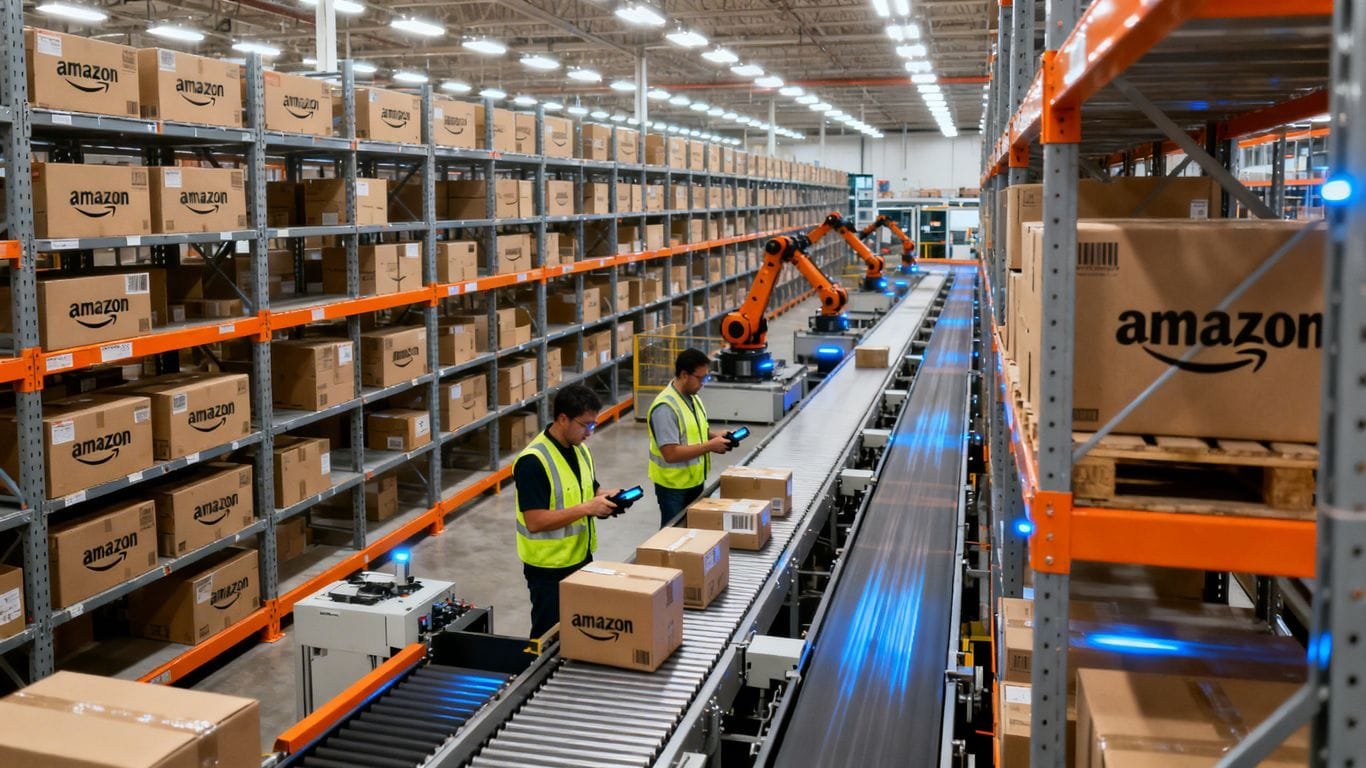
Selling on Amazon, especially using Fulfillment by Amazon (FBA), can feel like a shortcut to success. You send your products to Amazon, and they handle storage, packing, and shipping. It’s convenient, and products get that coveted Prime badge, which shoppers love. But this convenience comes with its own set of hurdles that can make it tough for your brand to really stand out. It’s easy to get lost in the shuffle when you’re one of millions of sellers all trying to catch a customer’s eye.
Understanding the Pitfalls of Fulfillment by Amazon
While FBA offers a lot of benefits, like faster shipping and easier returns for customers, it also creates some unique challenges for brand differentiation. When you hand over so much of the customer experience to Amazon, you lose some control over how your brand is perceived. It’s like letting someone else decorate your house – they might do a good job, but it won’t quite feel like yours anymore. This reliance on Amazon’s system can make it harder to build a distinct brand identity that customers connect with on a deeper level.
Strategies to Combat High Competition
Amazon is a crowded place. You’re not just competing with a few other sellers; you’re up against thousands, sometimes millions, of products. For new sellers or those with less established brands, getting noticed is a real struggle. Your product might be great, but if it’s buried on page 10 of search results, it doesn’t matter much. The key is to make your product visible and appealing from the first click.
Here are a few ways to fight through the noise:
- Optimize Your Listings: This means using the right keywords that people actually search for, writing clear and detailed descriptions, and using high-quality images. Think about what a customer would want to know and make it easy for them to find.
- Run Smart Promotions: Limited-time discounts or special offers can give your product a temporary boost in sales and search ranking. Use these strategically to get initial traction.
- Use Enhanced Brand Content (A+ Content): This lets you add more images, text, and branding to your product pages. It makes your listing look more professional and can help tell your brand’s story, which is important for differentiation.
Relying solely on Amazon’s platform for visibility can be a risky strategy. Proactive optimization and promotional efforts are necessary to cut through the competition.
Addressing Limited Control Over Branding
When your products are stored and shipped by Amazon, you have less say in the final customer experience. The packaging, the delivery speed, even how customer service issues are handled – these are often dictated by Amazon’s processes. This can lead to a less personalized brand experience. Imagine a customer receiving your product in a generic Amazon box; it doesn’t exactly scream your brand, does it? Building a memorable brand requires consistent touchpoints, and FBA can sometimes dilute those opportunities. If you’re looking to scale your Amazon business, consider how an Amazon agency might help manage these complexities and improve your brand’s presence.
It’s a balancing act. You want the benefits of FBA, but you also need your brand to shine through. Thinking about these challenges early on can help you develop strategies to overcome them and build a stronger, more distinct brand on Amazon.
Mastering Brand Differentiation for FBM Sellers
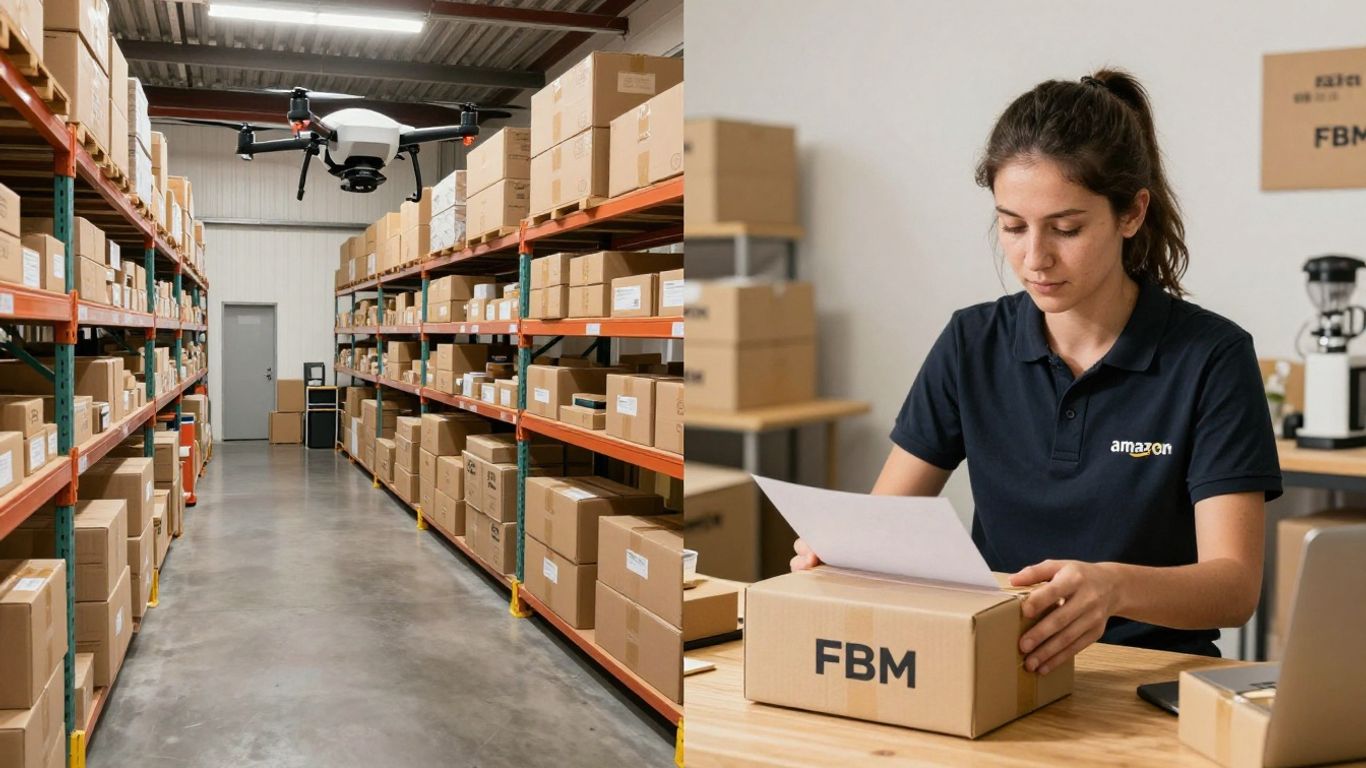
Selling on Amazon as a Fulfillment by Merchant (FBM) seller gives you a lot of control. You manage your own inventory, handle shipping, and deal directly with customers. This hands-on approach can be a real advantage when you’re trying to make your brand stand out. However, it’s not always smooth sailing. FBM sellers face their own set of hurdles that can make it tough to get noticed and build a loyal following.
Overcoming Limited Visibility and Buy Box Competition
One of the biggest headaches for FBM sellers is simply getting seen. Amazon’s algorithm often favors products with high sales volume and Prime eligibility, which can push your listings further down the search results. It feels like you’re shouting into a void sometimes. Plus, you’re constantly up against other sellers, including FBA ones, for that coveted Buy Box. It’s a tough spot to be in when you’re trying to build a name for yourself.
- Optimize Product Listings: Make sure your titles, descriptions, and bullet points are packed with relevant keywords that customers actually search for. Use clear, high-quality images that show off your product from every angle. Don’t forget about long-tail keywords – those more specific phrases can bring in highly interested buyers.
- Run Smart Promotions: Temporary discounts or special offers can give your product a much-needed boost in visibility. Think about flash sales or limited-time bundles. Once you get a bit more traction, you can adjust your pricing strategy to keep that momentum going.
- Use Enhanced Brand Content (EBC): If you have a registered brand, take advantage of A+ Content. This lets you add richer images, comparison charts, and more detailed stories to your product pages. It makes your listing look more professional and can really help it stand out from the competition.
The key here is to be proactive. Don’t just list your product and hope for the best. You need to actively work on making your listing as attractive and visible as possible, even without the Prime badge.
Building Customer Trust and Perception
When customers choose FBM, they’re often taking a chance. They don’t have the automatic reassurance of Amazon’s fulfillment and customer service. This means you have to work harder to build trust and create a positive perception of your brand. A single negative experience can really hurt your reputation, making it harder for new customers to choose you.
- Develop a Strong Brand Identity: What makes your brand special? Is it your commitment to sustainability, unique product design, or exceptional quality? Figure out your core values and weave them into everything you do – from your product descriptions to your packaging. Tell your brand’s story consistently across all platforms.
- Implement Loyalty Programs and Incentives: Reward your repeat customers. This could be through a points system, exclusive discounts for members, or early access to new products. Make sure customers know about these perks through product inserts or follow-up emails.
- Provide Exceptional Customer Service: This is where FBM sellers can truly shine. Be responsive, helpful, and go the extra mile to resolve issues. Make returns and exchanges as painless as possible. Positive word-of-mouth and good reviews are gold for building trust.
Strategies for Competitive Shipping and Pricing
Shipping and pricing are major factors for any online shopper, and FBM sellers often find themselves at a disadvantage here. Amazon’s Prime shipping is hard to beat, and customers have come to expect fast, cheap delivery. You also need to price your products competitively while still covering your own fulfillment costs.
- Standardize Your Fulfillment Process: Create clear, step-by-step procedures for packing and shipping orders. This helps ensure that every customer receives a consistent experience, no matter when they order. Document everything so your team (or you) can follow it every time.
- Partner with Reliable Shipping Providers: If your in-house shipping isn’t consistent or is too costly, look into third-party logistics (3PL) companies. Find one that understands your product type and can offer reliable, branded shipping solutions.
- Automate Where Possible: Use software to manage inventory, process orders, and handle customer communications. Automation reduces errors, speeds things up, and frees you up to focus on other areas, like marketing and customer service. Tools like Klaviyo for email marketing or InventoryLab for inventory management can be really helpful.
Ultimately, FBM sellers need to lean into their strengths: control and direct customer relationships. By focusing on clear communication, reliable service, and a distinct brand story, you can overcome the challenges and build a thriving business on Amazon.
Key Strategies for Amazon FBA Growth and Differentiation
Selling on Amazon is a bit like a crowded marketplace, and if you want people to actually notice your stall, you need to do more than just put your products out there. For FBA sellers, while Amazon handles a lot of the heavy lifting, it also means you’re sharing the stage with countless others. Standing out isn’t just about having a good product; it’s about smart strategy. The goal is to make your brand memorable and distinct, even within Amazon’s vast ecosystem.
Optimizing Product Listings for Visibility
Think of your product listing as your digital storefront. If it’s not easy to find or doesn’t grab attention, customers will just walk on by. This means digging into what people are actually searching for. Using the right keywords is super important. You want to hit those popular terms, but don’t forget the longer, more specific phrases too – those often bring in customers who know exactly what they want.
- Keyword Research: Use tools to find what terms shoppers use. Mix broad and niche keywords.
- High-Quality Images: Clear, professional photos from multiple angles are a must. Show the product in use if possible.
- Compelling Descriptions: Write clear, benefit-driven copy that answers potential questions before they’re asked.
Leveraging Enhanced Brand Content
Amazon’s Enhanced Brand Content (EBC), now often called A+ Content, is a game-changer for FBA sellers. It lets you go beyond the basic text and images. You can add more detailed descriptions, comparison charts, and lifestyle imagery. This makes your product page look more professional and gives customers more reasons to choose you over a competitor.
EBC allows you to tell your brand’s story visually and in more detail, directly on the product page. This can significantly improve conversion rates by building trust and clearly communicating your product’s unique value.
Creating Product Variations and Bundles
Sometimes, offering a single product isn’t enough. Creating variations – like different colors, sizes, or pack quantities – can keep customers on your listing longer. They might come for one color but end up buying another. Bundling complementary products together can also be a smart move. It offers customers more value and can increase your average order size. Plus, it can help you clear out inventory or introduce customers to a wider range of your products.
- Color/Size Variations: Offer popular options to cater to more preferences.
- Multi-Packs: Provide value for customers who buy in bulk.
- Complementary Bundles: Group items that naturally go together, like a camera and a memory card.
Cultivating Brand Loyalty Beyond Amazon’s Infrastructure

Building a loyal customer base is key to standing out, especially when you’re not relying solely on Amazon’s built-in advantages. While FBA offers convenience, true brand loyalty is built on connections that go deeper than just fast shipping. It’s about creating an experience and a relationship that keeps customers coming back, even when other options might seem easier.
Developing a Strong Brand Identity
Think about what makes your brand special. Is it the story behind your products, your commitment to sustainability, or the unique way you solve a customer’s problem? Clearly communicating this identity is how you connect with people on a more personal level. For instance, a clothing brand might focus on ethical sourcing and unique designs, building a narrative that appeals to conscious consumers. This story needs to be consistent across everything you do, from your product descriptions to your social media posts. It’s about more than just selling an item; it’s about selling a value or a lifestyle.
Amazon’s platform can sometimes feel like a crowded marketplace where products blend together. To truly differentiate, your brand needs a voice and a personality that customers can recognize and connect with. This involves more than just a logo; it’s the entire feeling and message your brand conveys.
Implementing Loyalty Programs and Incentives
Once you’ve got customers hooked, how do you keep them? Loyalty programs are a great way to reward repeat business. This could be anything from offering discounts on future purchases to providing early access to new products or exclusive content. Think about what would genuinely excite your customers. A simple points system or tiered rewards can encourage people to choose your brand again and again. Promoting these programs through inserts in your packaging or follow-up emails can also be effective.
Here’s a quick look at some incentive ideas:
- Discount Tiers: Offer increasing discounts based on purchase history.
- Exclusive Access: Give loyal customers a sneak peek at new arrivals.
- Referral Bonuses: Reward customers for bringing new buyers to your brand.
- Birthday/Anniversary Perks: A small discount or gift on special dates.
Providing Exceptional Customer Service
This is where you can really shine, especially if you’re not using FBA for fulfillment. When customers have questions or issues, how you handle them makes a huge difference. Being responsive, helpful, and making the return or exchange process as smooth as possible builds significant trust. A positive customer service experience can turn a one-time buyer into a lifelong fan. It’s about showing that you care about their satisfaction beyond just the initial sale. This kind of attention can lead to great reviews and word-of-mouth referrals, which are incredibly powerful for building a company like Amazon today.
Strategic Approaches to Stand Out on Amazon
Selling on Amazon is like a giant marketplace, and it’s easy to get lost in the crowd. Lots of sellers have similar products, and Amazon’s algorithms can make it tough to get noticed. But there are ways to make your brand pop. It’s not just about having a good product; it’s about how you present it and where you focus your efforts.
Identifying and Dominating Niche Markets
Instead of trying to sell to everyone, think about a smaller, specific group of customers. These are your niche markets. Finding a niche means looking for a group of people with a very particular need or interest that isn’t being fully met by existing products. When you focus on a niche, you can tailor your products and marketing directly to them. This makes your brand feel more relevant and special to that group.
- Research your audience: Use tools like Amazon’s Brand Analytics or even just browse forums and social media to see what people are talking about and what problems they’re trying to solve.
- Analyze competition: See who else is selling in that niche. Are they doing a good job? Is there room for a new player with a better approach?
- Tailor your products: Once you know your niche, create products that specifically address their needs. This could mean different sizes, colors, features, or even just a different way of packaging.
- Speak their language: Use marketing copy and imagery that appeals directly to your niche audience. They’ll feel like you understand them.
Focusing on a niche allows you to become the go-to brand for a specific group, rather than just another option for the general public. This can lead to higher customer loyalty and better word-of-mouth referrals within that community.
Highlighting Unique Selling Propositions
What makes your product or brand different from everyone else’s? This is your Unique Selling Proposition, or USP. It’s the one thing that sets you apart and gives customers a reason to choose you. Don’t just say your product is ‘high quality’; explain why it’s high quality or what specific benefit that quality provides.
Here are some examples of USPs:
- Eco-friendly materials: If your product is made from sustainable resources, make that a central part of your message.
- Handmade craftsmanship: For items that are made by hand, emphasize the care, skill, and uniqueness that goes into each piece.
- Proprietary technology: If you have a unique feature or technology that makes your product work better, highlight it.
- Exceptional customer support: While harder to quantify, a strong commitment to customer service can be a powerful differentiator.
Your USP should be clear, concise, and consistently communicated across all your Amazon listings and marketing efforts.
Utilizing Amazon’s Product Opportunity Explorer
Amazon actually gives sellers tools to help find these opportunities. The Product Opportunity Explorer is a feature within Seller Central that can show you what customers are searching for, what products are selling well, and where there might be gaps in the market. It’s a great way to get data-driven insights into potential niches or product improvements.
- Identify trending categories: See which product categories are growing in popularity.
- Discover unmet demand: Look for search terms that have a lot of searches but not many products available, or where existing products have low conversion rates.
- Analyze customer reviews: Read reviews for existing products to understand what customers like and dislike. This can give you ideas for how to improve your own product or create a new one.
Using these tools can help you make smarter decisions about what to sell and how to position your brand, moving beyond guesswork and into strategic market positioning.
Enhancing Brand Presence Through Communication and Experience

Brand building on Amazon comes with challenges—especially because Amazon wants to control most of the buyer’s journey. But if you want shoppers to remember you, not just your product, you have to get creative in how you connect and make your service feel special.
Mitigating Restricted Customer Communication
Amazon limits direct contact—no phone, no emails, just the platform itself. This restriction makes it tough to build real connections. Still, there are ways to foster some loyalty:
- Use automated follow-up messages (within Amazon’s rules) to thank customers or gather feedback.
- Add inserts inside your packaging with QR codes or invitations to join your brand community elsewhere.
- Make sure every touchpoint (from product instructions to post-purchase support) uses your brand’s voice.
When it feels like the door to your customer is locked, small gestures through packaging, inserts, and thoughtful messaging can keep that connection alive—just don’t break Amazon’s rules, or you’ll quickly regret it!
Creating Memorable Unboxing Experiences
People underestimate the power of first impressions. On Amazon, this is tough because it all arrives in a standard Amazon-branded box. Still, top brands find ways to delight:
- Use the inner packaging for branding—custom boxes, tissue paper, or unique wrapping.
- Include handwritten notes or thank-you cards.
- Offer unexpected extras, like samples, coupons, or small branded gifts.
Here’s a short table of insert ideas and their likely customer response:
| Insert Type | Common Customer Reaction |
|---|---|
| Thank-you Card | Increased feeling of appreciation |
| Discount Code | Higher chance of repeat purchase |
| QR to Brand Story | Stronger brand connection |
Leveraging Branding Inserts and Customization
Even if you can’t control the Amazon outer box, you can still stand out:
- Place branded inserts in every package—anything from loyalty program offers to tips for getting the best use from your product.
- Try Amazon’s product customization options if your product allows for it (engraving, messages, etc.).
- Include instructions or content showing customers where to find more about you outside of Amazon (social media, brand website).
Small brands often overlook the power of branding right inside the packaging. The goal is to make sure your buyer remembers you, wants to talk about your product, and feels confident coming back.
At the end of the day, Amazon controls a lot, but the customer holds onto the experience you design inside every package. Even just a thank-you note or a quirky instruction booklet can build loyalty over time.
Making your brand stand out is all about how you talk to people and the experiences you give them. When customers feel good about interacting with your brand, they remember it. This connection builds trust and loyalty, which are super important for success. Want to learn how to make your brand shine through great communication and memorable experiences? Visit our website today to discover the secrets!
Wrapping It Up: Your Brand on Amazon
So, we’ve gone over a lot about making your brand stand out on Amazon, whether you’re using FBA or FBM. It’s not always easy, right? You’ve got big companies and Amazon itself to think about. But the main takeaway is that you can’t just put a product up and hope for the best. You really need to think about what makes your brand special. Whether that’s through unique product features, how you talk to customers, or even how you package things, it all adds up. It takes work, and sometimes you have to get creative to get noticed. But by focusing on these differences, you can build something that customers remember and keep coming back to. It’s about building that connection, not just making a sale.
Frequently Asked Questions
What’s the main difference between selling on Amazon using FBA and FBM?
With FBA (Fulfillment by Amazon), Amazon stores your products, packs them, and ships them to customers. This makes your items eligible for Prime shipping. With FBM (Fulfillment by Merchant), you handle all of that yourself. FBA is easier for shipping but gives you less control over branding, while FBM gives you more control but requires more work from you.
Why is it hard for FBA sellers to make their brand stand out?
It’s tough because Amazon has so many sellers and products. Your brand can get lost in the crowd. Also, since Amazon handles shipping and packaging, you lose the chance to add your own special touches that make your brand unique and memorable.
What are some ways FBM sellers can get noticed more on Amazon?
FBM sellers can try to get noticed by offering great prices and fast shipping options, even if it’s not Prime. Using Amazon ads to show up higher in search results and making sure their product pages look amazing with good pictures and descriptions also helps a lot.
How can I make my product listing more visible to shoppers?
To get more eyes on your products, use keywords that people actually search for in your product title and description. High-quality photos are super important too! Running sales and using Amazon’s advertising tools can also give your listing a boost.
What does ‘brand differentiation’ mean for an Amazon seller?
Brand differentiation means making your product or brand clearly different and better than others. It’s about showing customers why they should choose *your* brand over a competitor’s. This could be through unique features, better quality, a special story, or excellent customer service.
Can I still build customer loyalty if I’m using FBA?
Yes, you can! Even though Amazon handles shipping, you can still build loyalty. Focus on creating a strong brand story, offering great products, and using things like branded inserts or follow-up emails to connect with your customers and encourage them to come back.