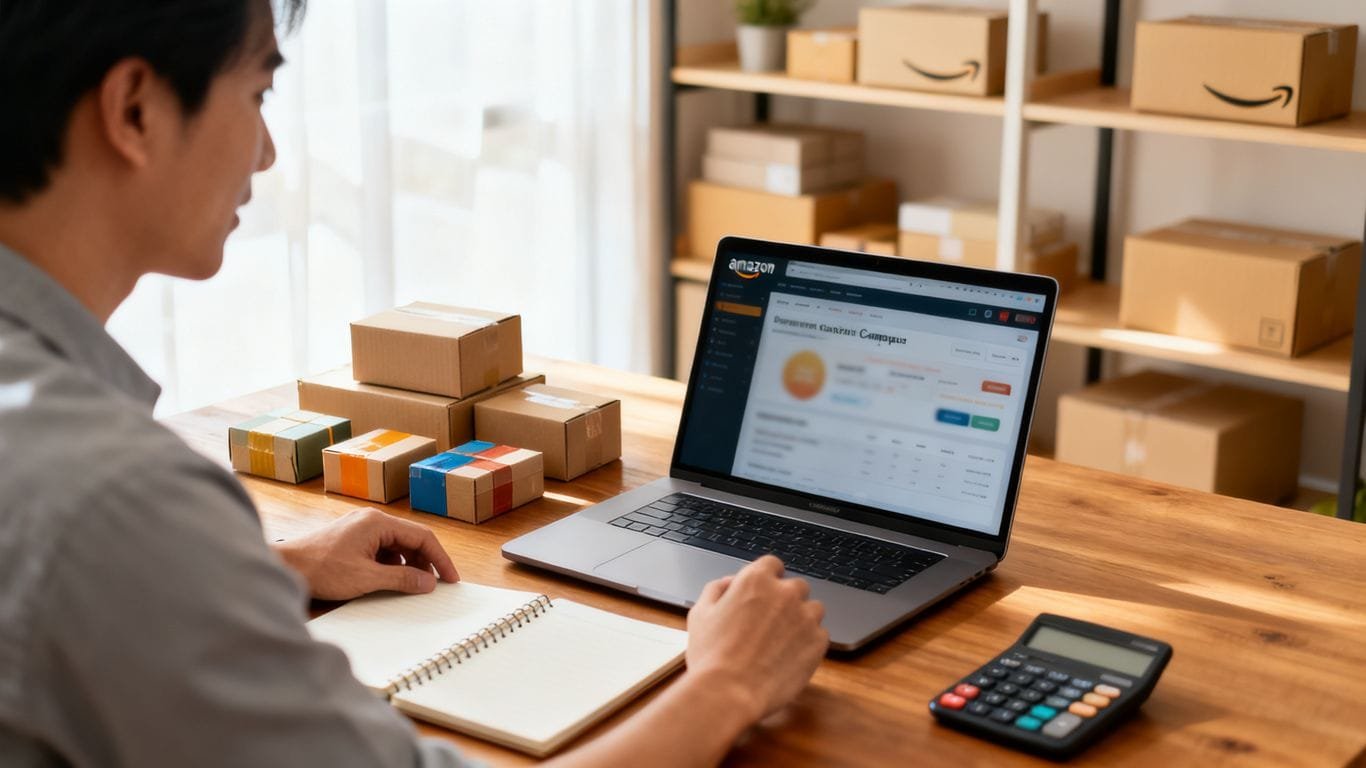
Amazon Product Launch: What Top Brands Do Differently
So, you’re getting ready to launch a product on Amazon? It can feel like a big deal, and honestly, it is. A lot of brands jump in without a solid plan, and then wonder why things don’t take off. But the brands that really do well? They do things a bit differently. They understand how Amazon works, they make their brand look good, they use ads smartly, and they pay attention to what’s happening after the launch. It’s not rocket science, but it does take some careful planning and execution. Let’s break down what those successful brands are doing to make their Amazon product launch a success.
Key Takeaways
- Understand how Amazon’s algorithm works, especially in the first 90 days after launch. This is your chance to influence where your product shows up in search results.
- Make your brand stand out with clear messaging and a good look. A confusing brand or a clunky website experience will make customers leave.
- Use Amazon’s advertising tools like DSP, Sponsored Brands, and Sponsored Display strategically. These help people find your brand and consider buying from you.
- Your product listing needs to be top-notch. Use good keywords, write descriptions that focus on what the customer gains, and use great pictures and videos. Getting good reviews also helps a lot.
- Keep an eye on your numbers after launch. Look at campaign results, check your search terms, and adjust your ads and offers based on what you learn to keep improving.
Mastering The Amazon Product Launch Algorithm
When you launch a new product on Amazon, it’s like sending a new kid to school. Amazon’s algorithm is watching, trying to figure out where your product fits in. The first 90 days are super important because this is when the algorithm is really paying attention and gathering data about your product. It’s deciding which search terms your product should show up for and how visible it should be. Get this period right, and you can set yourself up for success. Get it wrong, and you might spend months trying to fix the signals you sent.
Understanding How Amazon’s Algorithm Evaluates Products
Think of Amazon’s algorithm as a picky shopper. It wants to show customers products that are likely to sell and make Amazon money. It looks at a lot of things, but the main goal is to match the right product with the right search query. It’s not just about having a good product; it’s about proving to Amazon that your product deserves a prime spot.
Here’s a simplified look at what the algorithm considers:
- Sales Performance: How well is your product selling, especially recently?
- Conversion Rate: When people see your product, how often do they buy it?
- Relevance: Does your product actually match what the customer is searching for?
- Customer Reviews: What are people saying about your product? Are they happy?
- Pricing: Is your price competitive for what you’re offering?
The Critical First 90 Days: Influencing Algorithm Decisions
This initial period is your chance to make a good first impression. Amazon wants to highlight new and interesting products, so it gives them a bit of a boost. This is often called the "honeymoon period." During these first three months, it’s generally easier to rank for your target keywords than it will be later on.
- Optimize Your Listing First: Before you spend any money on ads, make sure your product listing is as good as it can be. This includes great images, a clear title, benefit-focused bullet points, and a compelling description. Advertising a weak listing just wastes money and sends bad signals.
- Get Early Sales: The algorithm loves sales. Focus on driving initial sales through various methods, including advertising and promotions.
- Gather Reviews: Positive reviews build trust and signal to Amazon that customers like your product. Aim to get a good number of reviews early on.
Amazon’s algorithm is constantly learning. The data you provide in the first 90 days heavily influences its perception of your product’s potential. Treat this period as an investment in your product’s long-term visibility.
Leveraging the ‘Honeymoon Period’ for Ranking
During this special time, Amazon is more willing to test your product in different search results. This means you have a better shot at ranking for competitive keywords. Don’t be afraid to be a bit more aggressive with your bids and promotions during this phase. The goal is to gather as much positive data – sales, conversions, and reviews – as possible.
- Competitive Bidding: Start with bids that are high enough to get noticed. Lower bids might mean fewer impressions and a longer, more expensive learning period.
- Strategic Promotions: Use tools like coupons to make your product stand out in search results and encourage clicks and purchases. The cost of a coupon should be seen as part of your launch marketing budget.
- Monitor Performance: Keep a close eye on your advertising campaigns and sales data. Adjust your strategy based on what’s working and what’s not. Don’t keep spending money on keywords that aren’t performing after a reasonable test period.
Crafting A Compelling Brand Identity For Launch
When you’re getting ready to launch a product on Amazon, it’s not just about the item itself. You also need to think about how people will see your brand. A strong brand identity helps customers remember you and understand what you’re all about. It’s like giving your product a personality that people can connect with.
Developing Catchy Taglines And Recognizable Branding
Think about your brand’s name, logo, and overall look. Does it stand out? Is it easy to remember? A good tagline can stick in someone’s mind, and a unique logo makes your product instantly recognizable. If your brand looks and sounds like everyone else’s, it’s going to get lost in the shuffle. You want people to see your brand and think, "Oh yeah, that’s the one I’ve heard about." It’s about making a first impression that lasts.
Ensuring Clear Messaging And Value Proposition
What problem does your product solve? Why should someone choose yours over a competitor’s? Your messaging needs to answer these questions clearly and simply. Don’t make customers guess what you offer or why it’s good for them. A confusing message can make people click away before they even learn about your product’s benefits. Your value proposition should be front and center, explaining the unique advantage your product provides.
Creating A Smooth And Accessible User Experience
This applies to everything from your product listing on Amazon to any external website you might link to. If your Amazon page is hard to navigate, has broken links, or confusing information, potential buyers might get frustrated and leave. Make it easy for people to find what they need, understand your product, and complete a purchase. A good user experience builds trust and makes customers feel good about buying from you. It’s about removing any roadblocks that might stop someone from becoming a customer.
Strategic Advertising For Amazon Product Launch Success
Getting your new product noticed on Amazon isn’t just about having a great item; it’s about making sure the right people see it. This is where advertising comes into play, especially during those critical early days after launch. Think of it as giving your product a helpful nudge in the right direction so the Amazon algorithm takes notice. Smart ad spending can significantly influence your product’s visibility and ranking.
Utilizing Amazon DSP For Brand Awareness And Demand
Amazon DSP (Demand-Side Platform) is a powerful tool for reaching shoppers beyond just those actively searching on Amazon. It allows you to place display ads on Amazon’s own sites and apps, as well as on third-party websites and apps. This is fantastic for building brand awareness before and during your launch. You can target specific audiences based on their shopping habits and interests, even if they haven’t searched for your product yet. This helps create demand and gets your brand name in front of potential customers wherever they are online.
Leveraging Sponsored Brands And Display Ads
Sponsored Brands and Sponsored Display ads are your go-to for driving traffic directly to your product listings. Sponsored Brands appear at the top of search results, helping your product stand out immediately. Sponsored Display ads can target shoppers who have viewed your product or similar products, or even those who have purchased from your category before. These ads are great for capturing shoppers who are further down the buying funnel and are closer to making a purchase.
- Sponsored Brands: Great for visibility at the top of search results.
- Sponsored Display: Effective for retargeting and reaching specific audience segments.
- Keyword Targeting: Focus on terms potential customers are actually searching for.
- Product Targeting: Show ads on specific product pages to capture competitor interest.
The Role Of Sponsored Brands Video In Engagement
Video is incredibly engaging, and Amazon’s Sponsored Brands Video ads are no exception. These ads play automatically in search results, grabbing attention with motion and sound. They offer a dynamic way to showcase your product’s features, benefits, and how it solves a customer’s problem. A well-produced video can significantly increase click-through rates and conversions because it gives shoppers a much clearer picture of what they’re buying. It’s a fantastic way to tell your product’s story and connect with customers on a more personal level.
Advertising on Amazon isn’t just about spending money; it’s about spending it strategically. The goal is to gather data, influence the algorithm, and drive sales. Early ad campaigns should be viewed as an investment in learning about your customer and product performance, not just immediate profit.
Here’s a quick look at how different ad types can fit into your launch strategy:
| Ad Type | Primary Goal | Best For |
|---|---|---|
| Sponsored Brands | Visibility, Traffic | Top of search results, brand recognition |
| Sponsored Display | Retargeting, Awareness | Reaching past viewers, specific audiences |
| Sponsored Brands Video | Engagement, Conversion | Showcasing product features, storytelling |
| Amazon DSP | Brand Awareness, Reach | Broad audience targeting off-Amazon |
Optimizing Your Product Listing For Maximum Impact
Think of your product listing as your digital storefront on Amazon. It’s where shoppers decide if they want to learn more, or just click away. Getting this right from the start is super important.
Creating Keyword-Rich Titles And Benefit-Focused Descriptions
Your title is the first thing people see, and it needs to work hard. It should include the main keywords people are searching for, but also make it clear what the product is. Don’t just stuff keywords in there; make it sound natural. For example, instead of "Dog Toy Chew Durable Large," try something like "Durable Chew Toy for Large Dogs – Tough Rubber, Interactive Play." This tells shoppers what it is and why they might want it.
When you write your descriptions, especially the bullet points, focus on what the product does for the customer, not just what it is. Features are good, but benefits sell. So, instead of saying "Made with natural rubber," say "Made with natural rubber for a safe and satisfying chew that keeps your dog entertained for hours." This connects with the buyer’s needs.
- Prioritize benefit-driven language.
- Include primary and secondary keywords naturally.
- Keep titles under 200 characters and bullet points concise.
The goal is to make it easy for both Amazon’s search engine and potential buyers to understand your product’s value quickly. If it’s hard to read or understand, people will move on.
The Importance Of High-Quality Visuals And Videos
People can’t touch or feel products on Amazon, so your images and videos have to do the heavy lifting. Your main image should be crystal clear, on a white background, and show the product prominently. Think of it as the product’s passport photo – it needs to be good.
Beyond the main image, use the other slots for different things:
- Lifestyle shots: Show people (or pets!) actually using your product. This helps shoppers imagine themselves using it.
- Infographics: Use these to highlight key features or benefits visually. Think size charts, material breakdowns, or how-to-use diagrams.
- Detail shots: Close-ups of important features or textures.
- Videos: A short video can explain a complex product, show it in action, or build brand personality. Even a 15-30 second clip can make a big difference.
Make sure all your images are high-resolution and zoomable. Studies show that listings with zoomable images can see a significant sales increase. Also, remember to add descriptive ALT text to each image; this helps Amazon understand what’s in the picture and can improve search visibility.
Proactive Review Management For Trust And Rankings
Reviews are like word-of-mouth for your online store. Good reviews build trust, and trust leads to sales. You can’t force people to leave reviews, but you can encourage them and manage the ones you get.
- Ask for reviews: Use Amazon’s "Request a Review" button or a follow-up email (within Amazon’s guidelines, of course).
- Respond to reviews: Thank customers for positive feedback. For negative reviews, respond politely and professionally. Show that you care about customer satisfaction and are willing to fix problems. This can sometimes turn a bad experience into a good one and shows potential buyers you’re a responsive seller.
- Analyze review content: Look for common themes in reviews. Are people consistently praising a certain feature? Are they confused about something? Use this feedback to improve your product or your listing content.
While you can’t directly ask for positive reviews, creating a great product and a clear listing naturally leads to happier customers and, hopefully, more positive feedback. This builds social proof, which is incredibly powerful on Amazon.
Data-Driven Optimization Post-Launch
So, your product is out there. Great! But the work isn’t over; in fact, it’s just getting more interesting. This is where you stop guessing and start knowing. We’re talking about looking at the numbers Amazon gives you and actually using them to make your product sell better. It’s about being smart with your money and your time.
Analyzing Campaign Performance and KPIs
After the initial launch buzz, it’s time to get serious about the data. You need to see what’s actually working and what’s just burning through your budget. Key performance indicators (KPIs) are your best friends here. Think about things like:
- Click-Through Rate (CTR): How many people see your ad and click on it? A low CTR might mean your ad isn’t grabbing attention.
- Conversion Rate (CVR): Of the people who click, how many actually buy? A low CVR often points to issues with your product listing itself.
- Advertising Cost of Sale (ACoS): This is what most people look at first. It tells you how much you spent on ads to get a certain amount of sales. A high ACoS means your ads are expensive relative to the sales they bring in.
- Total Advertising Cost of Sale (TACoS): This is a bigger picture view. It looks at your ad spend as a percentage of your total sales (including organic ones). A lower TACoS means your ads are helping drive sales without you having to pay for every single one directly.
It’s easy to get caught up in just ACoS, but TACoS gives you a much better idea if your advertising is actually building momentum for your product overall, not just making direct sales from ads.
Adjusting Marketing Strategies Based on Insights
Once you’ve got a handle on your KPIs, you need to act on them. Don’t just look at the numbers; change things based on what they tell you. For example:
- If CTR is low: Your ad creative or targeting might be off. Try different images or headlines for your Sponsored Brands ads, or adjust your keyword bids.
- If CVR is low: Your product listing needs attention. Are your images clear? Is the description compelling? Is the price right? You might need to tweak your title, bullet points, or even your main image.
- If ACoS is too high: You might be bidding too much on keywords that aren’t converting well, or your conversion rate is too low. Shift budget towards keywords with better performance and consider pausing or adding negative keywords for underperformers.
- If TACoS is high and not improving: This is a red flag. It means your ads are costing a lot relative to all your sales, and you’re not seeing much organic growth from them. You might need to re-evaluate your entire strategy, from keywords to listing optimization.
Weekly Search Term Report Analysis for Early Wins
This report is gold. Seriously, don’t skip it. Every week, download your Search Term Report. This shows you the exact phrases customers typed into Amazon that triggered your ads. Here’s what to look for:
- High-converting terms: If a search term is bringing in sales, move it to an Exact Match campaign. Also, add it as a negative keyword to your Auto or Broad campaigns so you’re not wasting money there.
- Money-wasting terms: If a search term has spent a decent amount (say, $10 or more) but hasn’t resulted in any sales, add it as a negative keyword immediately. Stop the bleeding.
- Unexpected opportunities: Sometimes, you’ll see search terms you never thought of that are getting clicks. See if they’re relevant to your product. If they are, they could be new keywords to target.
Checking this report weekly means you catch problems and opportunities much faster than if you wait a month. It’s how you find those quick wins and stop spending money on things that just aren’t working. Consistent, data-informed adjustments are key to turning a product launch into sustained success.
Essential Tactics For A Strong Amazon Product Launch
Getting your new product off the ground on Amazon requires a focused approach, especially in those critical early days. It’s not just about listing your item and hoping for the best; there are specific actions top brands take to make sure their product gets noticed by both shoppers and Amazon’s algorithm. Think of it like opening a new store – you wouldn’t just unlock the doors and expect a crowd. You’d have a grand opening, maybe some special offers, and make sure everyone knows you’re there.
Setting Competitive Bids During the Initial Phase
When your product first goes live, Amazon’s system is paying extra attention. This is your chance to make a strong impression. Bidding aggressively on your main keywords right from the start helps get your product in front of potential buyers quickly. It might feel a bit scary to spend more on ads initially, but it’s about gathering data and showing Amazon your product is relevant. If you bid too low, you miss out on impressions and sales during this important ‘honeymoon period,’ which can slow down your ranking progress. The goal is to get enough sales data fast so you can figure out what’s working and what’s not.
Implementing Strategic Use of Coupons
Coupons are a fantastic tool for attracting attention and driving initial sales. Offering a discount can be the nudge a shopper needs to try a new product. You can set up coupons directly within Amazon Seller Central. These appear with a special "coupon" tag in search results, making your product stand out. It’s a good way to encourage first-time buyers and get those initial reviews rolling in. Just make sure the coupon price still allows for a reasonable profit margin after all costs are factored in.
Understanding ACoS vs. TACoS For Profitability
When you’re running ads, you’ll hear about Advertising Cost of Sales (ACoS) and Total Advertising Cost of Sales (TACoS). ACoS tells you how much you’re spending on ads compared to the sales those ads are generating. It’s a good metric for ad campaign performance. TACoS, on the other hand, looks at your ad spend in relation to your total sales, including organic ones. While a high ACoS might look alarming, if your TACoS is healthy and your overall business is profitable, it might be acceptable, especially during a launch phase where you’re prioritizing visibility and sales volume. It’s important to track both to get a full picture of your advertising’s impact on your bottom line.
Here’s a simple way to think about it:
- ACoS: (Ad Spend / Ad Sales) * 100%
- TACoS: (Ad Spend / Total Sales) * 100%
During the initial launch phase, it’s common to see a higher ACoS as you bid more aggressively to gain visibility. The key is to monitor this closely and ensure it aligns with your overall business goals and profitability targets, using TACoS as a broader measure of success.
Ready to make your product a hit on Amazon? Our guide, "Essential Tactics For A Strong Amazon Product Launch," breaks down the key steps to success. We cover everything from making your product listing shine to getting those crucial first sales. Want to learn more about how to boost your Amazon sales? Visit our website today for expert tips and services!
So, What’s the Takeaway?
Launching a product on Amazon isn’t just about putting it out there and hoping for the best. Top brands, as we’ve seen, approach it with a clear plan. They focus on making their brand stand out with good branding and a smooth customer experience. They also understand that advertising isn’t a one-time thing; it’s an ongoing strategy, especially in those crucial first few months when Amazon’s algorithm is figuring out where your product fits. By using tools like Amazon Ads strategically, understanding how the algorithm works, and being patient, you can significantly improve your chances of success. It takes work, sure, but getting these pieces right can make all the difference between a product that fades away and one that really takes off.
Frequently Asked Questions
What is the ‘honeymoon period’ for a new product on Amazon?
The ‘honeymoon period’ is like a special time right after you launch a new product on Amazon. For about the first 1 to 3 months, Amazon’s system is more willing to show off new items. It’s easier to get noticed and rank higher during this time because Amazon wants to give fresh products a chance to shine.
Why is understanding Amazon’s algorithm important for a launch?
Amazon’s algorithm is like the store manager who decides which products get the best spots. It looks at many things to figure out what customers want. By understanding how it works, you can make your product more appealing to the algorithm, helping it show up more often when people search.
How important are ads when launching a new product?
Ads are super important! Think of them like shouting from the rooftops to get attention. Ads like Sponsored Brands and Display ads help people discover your product even if they weren’t looking for it. They help build excitement and get more people to check out what you’re selling.
Should I use coupons when I first launch my product?
Yes, using coupons can be a smart move! They make your product stand out in search results and encourage shoppers to try it out. Think of the coupon cost as part of your initial advertising budget, helping you get those first sales.
What’s the difference between ACoS and TACoS?
ACoS (Advertising Cost of Sale) just looks at how much you spend on ads compared to the sales those ads bring in. TACoS (Total Advertising Cost of Sale) is broader; it includes both your ad sales AND your regular sales. TACoS helps you see if your ads are actually helping your overall sales grow, not just buying sales directly.
How long does it usually take for a new product to start ranking well on Amazon?
It typically takes about 60 to 90 days of consistent sales and showing up for the right keywords for your product to find its stable spot. It’s important not to stop advertising too soon, as this can slow down the momentum before Amazon really trusts your listing.