The 2026 Playbook for Amazon Product Launch
Launching a product on Amazon in 2026 isn’t like it used to be. Forget those old tricks you might see online; they just don’t work anymore and can even get you in trouble. This guide is all about what actually works now. We’re talking about a real plan, from start to finish, to get your product seen and sold. Whether you’re just starting out or you’ve been selling for a while, this is your roadmap to a successful Amazon product launch.
Key Takeaways
- Use tools like Helium 10 and Amazon Brand Analytics for smart product research and keyword planning. Knowing what people search for is half the battle.
- Make your product page shine with A+ Content and a Brand Store. These help customers understand what you’re selling and why they should pick you.
- Don’t skip advertising. Sponsored Products and Sponsored Brands get your product in front of buyers right when they’re looking.
- Get early feedback with the Vine Program and use the Request-a-Review feature. Good reviews build trust and help your product climb the ranks.
- Keep an eye on your inventory with FBA and track your overall sales cost with a TACoS Tracker. Smart management means more profit and less hassle.
1. Helium 10
Alright, let’s talk about Helium 10. If you’re serious about launching a product on Amazon in 2026, you’ve probably heard of it, and for good reason. Think of it as your all-in-one toolkit for pretty much everything you need to do before, during, and after your launch. It’s not just about finding keywords, though that’s a big part of it. Helium 10 helps you figure out if your product idea even has legs in the first place.
Before you even think about listing your product, you need to know what people are actually searching for. Helium 10 has tools like Black Box and Magnet that dig into Amazon’s search data. You can see how many people search for terms like ‘wireless earbuds’ or ‘organic dog food’ each month. This helps you understand the demand and find the right keywords to use in your listing title, bullet points, and backend search terms. Getting this keyword map down is super important; it’s like the blueprint for your product’s success on Amazon.
Here’s a quick look at what you can do with Helium 10:
- Keyword Research: Find high-volume and long-tail keywords your customers are using.
- Market Analysis: Understand demand, competition, and pricing for your product category.
- Listing Optimization: Get suggestions to improve your product title, bullet points, and description.
- Competitor Analysis: See what your rivals are doing, their keyword strategies, and their sales estimates.
- Product Research: Identify profitable niches and products with good demand and less competition.
You can’t just guess what customers want. Tools like Helium 10 give you actual data to back up your decisions. Skipping this research step is a common mistake that leads to launches that just don’t get off the ground. It’s better to spend time here upfront than to waste money later.
Beyond just research, Helium 10 also offers tools to track your sales, monitor your inventory levels, and even help you manage your advertising campaigns. It gives you a clearer picture of how your product is performing against the competition. For instance, their Cerebro tool lets you see which keywords your competitors are ranking for, which can give you ideas for your own strategy. It’s a pretty powerful suite of tools that can really make a difference in how well your product does.
2. Amazon Brand Analytics
Amazon Brand Analytics is a treasure trove of data that every seller should be using, especially when launching a new product. It’s built right into your Seller Central account, but you need to be a registered brand owner to access most of it. Think of it as Amazon giving you a peek behind the curtain to see what’s really happening in your niche.
This tool helps you understand customer behavior and market trends directly from Amazon’s own data. It’s not just about guessing what people want; it’s about seeing what they’re actually searching for and buying. This information is gold for figuring out your product positioning, keywords, and even potential product improvements.
Here’s a breakdown of what you can find and why it matters for your launch:
- Search Terms Report: This is probably the most important part. It shows you the top search terms customers are using on Amazon. You can see not only the most popular terms but also their search frequency rank. This is vital for optimizing your product listing title, bullet points, and backend keywords. You want to make sure your product shows up when customers are looking for it.
- Market Basket Analysis: This report shows you which products are frequently bought together. If your product is often purchased alongside another item, you might consider bundling them or creating a complementary product. It also helps you understand the broader context of your product within a customer’s shopping cart.
- Item Comparison and Alternatives: See which other products customers are viewing when they look at yours, and which products they are viewing instead of yours. This gives you direct insight into your competition and what features or benefits might be swaying customers away from your offering.
- Demographics: Understand who your potential customers are. This report provides insights into age, gender, and geographic location of shoppers interested in your product category. This can help tailor your marketing messages and even inform product development.
Using Brand Analytics helps you move beyond assumptions. It grounds your launch strategy in actual customer search data and purchasing patterns, making your efforts far more likely to hit the mark. It’s about working smarter with the information Amazon provides.
By digging into these reports before and during your launch, you can make much more informed decisions. You’ll know which keywords to target, who your audience is, and how your product stacks up against the competition in the eyes of the customer. It’s a powerful way to get a competitive edge right from the start.
3. A+ Content
Alright, let’s talk about A+ Content. If you’ve got your brand registered with Amazon, this is a big one. Think of it as your chance to really make your product listing pop, going way beyond the basic text.
A+ Content lets you add richer content to your product detail pages, like extra images, comparison charts, and detailed text modules. It’s not just about looking pretty, though. This is where you can really explain your product’s benefits, show it in action, and build trust with potential buyers. When shoppers can see more, understand more, and feel more confident, they’re more likely to click that ‘Add to Cart’ button.
Here’s a breakdown of what you can do with it:
- Visual Storytelling: Use high-quality images and graphics to tell your product’s story. Show off its features, how it works, and what makes it special. Think lifestyle shots or infographics that highlight key benefits.
- Detailed Comparisons: If you have multiple versions of a product or want to show how yours stacks up against a generic alternative, comparison charts are super helpful. They give shoppers the info they need to make a quick decision.
- Brand Reinforcement: This is also a spot to weave in your brand’s personality and values. You can talk about your company’s mission or what inspired the product, making a connection beyond just the item itself.
- Address Potential Questions: Use the space to proactively answer common questions or concerns a buyer might have. This can reduce hesitation and improve the overall shopping experience.
Remember, the goal here is to convert browsers into buyers. A+ Content gives you the tools to do that by providing more information and a more engaging experience than a standard listing.
When you’re putting your A+ Content together, think about the customer’s journey. What information do they need at each stage? What visuals will grab their attention? And how can you clearly communicate the value your product offers? Getting this right can make a real difference in your launch success.
4. Brand Store
Think of your Amazon Brand Store as your own little corner of Amazon, a dedicated space that’s all yours. It’s more than just a place to list your products; it’s your digital storefront. This is where you can really tell your brand’s story and give customers a deeper look at what you’re all about.
When you’re launching a new product, having a well-put-together Brand Store is super important. It helps shoppers who find your product understand your whole brand, not just that one item. You can organize your products into categories, showcase your bestsellers, and use custom layouts to highlight new arrivals or special promotions. It’s a great way to build trust and make your brand look more professional.
Here’s why it matters for a launch:
- Builds Brand Credibility: A professional store makes your brand look established and trustworthy, which is a big deal when you’re new.
- Showcases Your Full Lineup: Even if you’re launching one product, you can use the store to hint at other products you offer or plan to offer, giving customers a reason to explore more.
- Drives Traffic: You can direct ad traffic here, not just to a single product listing. This gives you more control over the customer journey.
- Improves Discoverability: Amazon sometimes rewards brands that use their store features effectively, potentially boosting your visibility.
Setting up your Brand Store involves choosing a template, uploading your logo and brand assets, writing compelling descriptions, and organizing your product catalog. It’s a bit of work, but it pays off by giving customers a more complete brand experience and helping your new product stand out from the crowd.
5. Sponsored Products
Sponsored Products ads are your go-to for getting your new product in front of shoppers actively looking for something like it. Think of them as the digital equivalent of placing your product on a shelf right in the aisle where customers are browsing. These ads are pay-per-click (PPC), meaning you only pay when someone clicks on your ad. They show up in various places on Amazon, like at the top of search results, on product pages, and even in customer reviews.
When you’re launching, the main goal with Sponsored Products isn’t necessarily to make a profit right away. It’s about getting sales and building momentum. Every sale you make through these ads helps your product rank higher organically, which is a big win long-term. So, you might see a higher cost-per-acquisition (CPA) at first, and that’s okay. It’s an investment in getting your product seen.
Here’s a breakdown of how to approach them:
- Campaign Types: Start with both automatic and manual campaigns. Automatic campaigns are great for discovering new keywords people are using to find products like yours. Manual campaigns, especially using exact and broad match types, let you target specific keywords you already know are relevant.
- Keyword Strategy: Don’t be afraid to bid on a wide range of keywords initially. The goal is to gather data. See which terms bring in clicks and sales. You can always refine your bids and targeting later.
- Bidding: Consider bidding higher for top-of-search placements. While it costs more per click, it often leads to better visibility and conversion rates, especially during a launch.
- Budget: Set a daily budget that you’re comfortable with. It’s better to have a consistent presence than to run out of budget too quickly.
During the initial launch phase, view your Sponsored Products spend as a marketing investment. The primary objective is to drive sales volume and gather valuable data on customer search behavior. This data is gold for optimizing your listing and future ad campaigns, ultimately improving your organic search ranking over time.
Remember to keep an eye on your click-through rate (CTR) and conversion rates. These metrics tell you how effective your ads are at grabbing attention and turning clicks into sales. Regularly review your campaign performance and make adjustments as needed. It’s an ongoing process, but getting it right can make a huge difference for your product’s success on Amazon.
6. Sponsored Brands
Sponsored Brands is a powerful advertising tool that helps you get your products in front of shoppers when they’re actively searching on Amazon. Think of it as a way to put your brand front and center, especially for those just starting their shopping journey.
These ads can appear in prominent spots, like the top of search results pages. They allow you to showcase multiple products, a brand logo, and even a custom headline. This makes them great for building brand awareness and driving traffic to your product detail pages or even your Amazon Brand Store.
When setting up Sponsored Brands campaigns, you’ll want to think about your keywords. These should align with what customers are actually searching for. It’s also a good idea to use compelling headlines and images that grab attention.
Here are a few key things to consider for your Sponsored Brands strategy:
- Headline relevance: Make sure your headline directly relates to the products being advertised and the search terms customers use.
- Product selection: Choose products that are well-optimized and ready to convert, as these ads will drive traffic directly to their pages.
- Targeting: Use a mix of broad, phrase, and exact match keywords to capture a wide range of relevant searches.
- Creative assets: Invest in high-quality images and consider using Sponsored Brands Video if it fits your product and brand.
Sponsored Brands ads are particularly effective for introducing new products because they can appear before a shopper even clicks on a specific listing. This visibility can significantly impact your launch momentum.
Remember, the goal is to connect with shoppers and encourage them to explore your brand. By using Sponsored Brands effectively, you can increase your product’s visibility and drive more sales right from the start.
7. Vine Program
Getting those first few reviews on a new product can feel like a real uphill battle. That’s where Amazon’s Vine program comes in. It’s basically a way to get your product into the hands of Amazon’s most trusted reviewers – the Vine Voices. These are customers Amazon selects based on how helpful their reviews are, and they get to try out products for free in exchange for their honest feedback.
The goal here is to get early, unbiased reviews that can help potential buyers make a decision. It’s not about getting glowing five-star reviews every time, but about building a foundation of feedback. This program can be particularly helpful for new products that don’t have any sales history or social proof yet.
Here’s a quick rundown of how it generally works:
- Enrollment: You enroll your product in the Vine program through Seller Central. There’s a fee associated with enrolling each ASIN.
- Product Shipment: You provide a certain number of units (Amazon specifies the quantity) that Vine members can claim.
- Review Generation: Vine Voices browse available products and choose ones they’re interested in. They then receive the product and are expected to leave an honest review within a set timeframe.
- Review Visibility: Vine reviews are easily identifiable with a green Vine icon next to them, making them stand out to shoppers.
It’s important to remember that Vine reviewers are not obligated to leave a positive review. They are encouraged to be honest, which is exactly what you want for genuine customer feedback. This program is best used early in a product’s lifecycle to kickstart the review process and provide valuable insights.
While Vine can be a great way to get initial reviews, it’s just one piece of the puzzle. Don’t expect it to solve all your review challenges. It’s most effective when combined with other strategies for encouraging customer feedback after a purchase.
8. Request-a-Review
Getting reviews is a big part of launching a product on Amazon. It helps new customers trust your item and can even boost its ranking. One of the simplest, most direct ways to encourage reviews is by using Amazon’s built-in "Request a Review" button. This feature is available for every order and sends a standardized email to the buyer asking them to leave feedback.
It’s important to use this feature consistently for every eligible order. While it might seem small, each request adds up. Think of it as a gentle nudge rather than a demand. Amazon designed this tool to be compliant, so you don’t have to worry about breaking any rules by using it.
Here’s a breakdown of how to approach review generation compliantly:
- Use the "Request a Review" Button: This is your go-to for every order. It’s straightforward and Amazon-approved.
- Product Inserts: You can include a card in your product packaging. This card should thank the customer and explain the importance of honest feedback. Crucially, it must not offer any incentives or tell customers to only contact you if they’re unhappy.
- Amazon Vine Program: If you’re Brand Registered, consider enrolling in Vine. This program lets you get initial reviews from Amazon’s trusted reviewers, which can be great for early feedback.
Remember, the goal is to get genuine feedback. Amazon is pretty strict about review manipulation, so stick to these official methods. Trying to game the system with incentives or third-party services can lead to account suspension. Focus on providing a great product and making it easy for customers to share their honest thoughts.
9. TACoS Tracker
Okay, so you’ve got your product out there. Now what? It’s easy to get caught up looking at just your ad spend versus ad sales, right? That’s your ACOS (Advertising Cost of Sale). But here’s the thing: ACOS can be a bit misleading when you’re trying to see the big picture, especially when you’re just starting out.
You really need to keep an eye on TACoS, which stands for Total Advertising Cost of Sale. Think of it this way: ACOS only looks at your ad revenue, but TACoS looks at your total Amazon revenue. So, it’s your ad spend divided by your entire sales on Amazon, not just the sales that came directly from ads.
Why does this matter so much for a launch? Well, in the early days, your ACOS might look pretty high. That’s normal! You’re spending money to get your product seen and get those first sales. But if your TACoS is trending downwards over time, even with that higher ACOS, it means your overall advertising efforts are actually helping boost your total sales. That’s a good sign your launch is working.
Here’s a simple breakdown:
- ACOS = Ad Spend / Ad Revenue
- TACoS = Ad Spend / Total Amazon Revenue
What’s a good TACoS number? It really depends on your product category and how much profit you need to make. But for many brands, aiming for a TACoS somewhere between 8% and 25% is a healthy target once things start to settle down. It shows your advertising is efficient without killing your overall profitability.
Monitoring TACoS helps you understand if your advertising is just bringing in sales from people who would have bought anyway, or if it’s genuinely expanding your customer base and driving overall growth. It’s the real measure of advertising effectiveness for your entire business on Amazon.
So, while you’re watching your sales and ad performance, don’t forget to calculate and track your TACoS. It’s a much clearer indicator of whether your launch strategy is building a sustainable business on Amazon, not just a temporary sales spike.
10. FBA Inventory
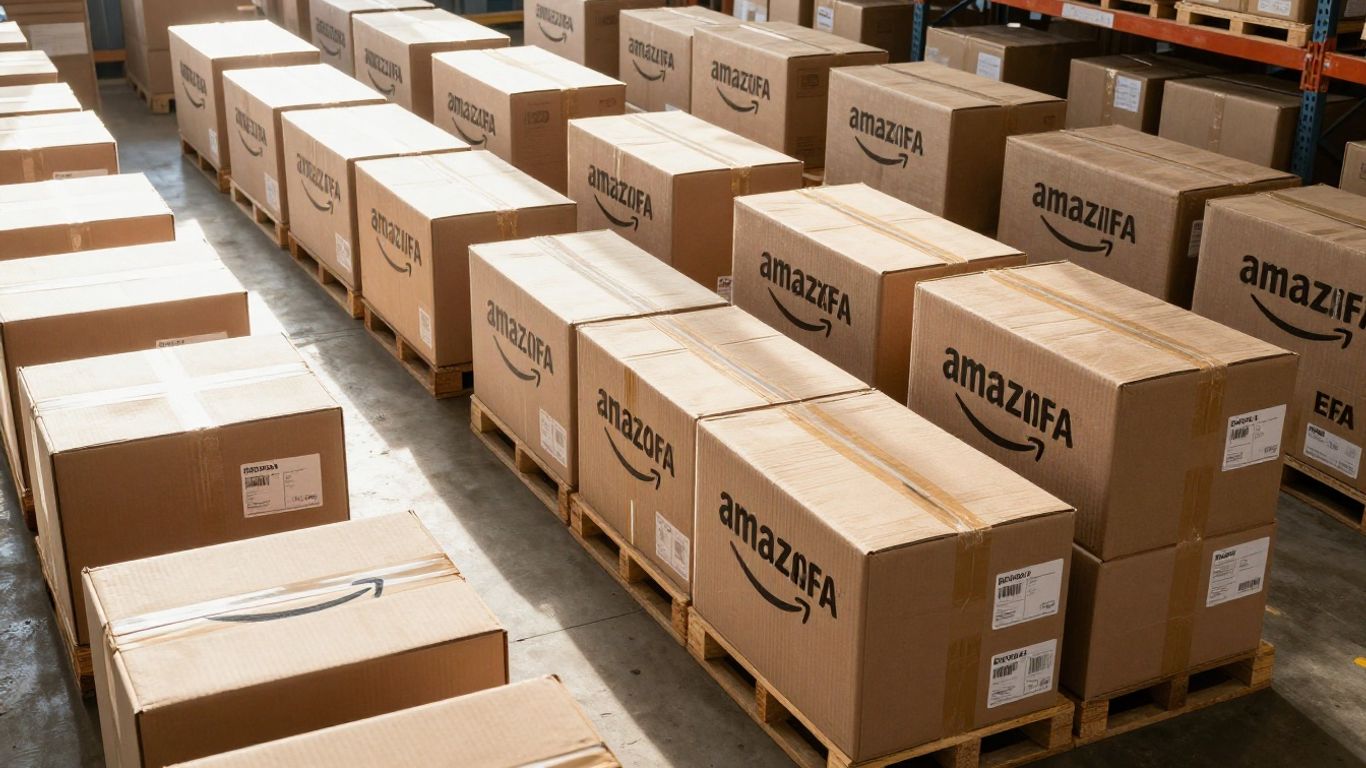
Getting your product into Amazon’s Fulfillment by Amazon (FBA) system is a big step, but managing that inventory is where the real work begins. You don’t want to run out of stock, especially when you’re just starting out. That’s a surefire way to lose momentum and customer interest.
You need enough product at Amazon’s warehouses to cover at least 60 to 90 days of what you expect to sell. Think about it – if you launch and suddenly everyone wants your product, you’ll be in trouble if you only have a week’s worth of stock. It’s a balancing act, for sure.
Here’s a quick rundown of what to keep in mind:
- Forecast Accurately: Use any pre-launch data or even competitor analysis to guess how much you’ll sell. It won’t be perfect, but it’s better than guessing blind.
- Set Reorder Points: Figure out when you need to order more stock from your supplier. You don’t want to wait until you’re almost out to start the process, as lead times can be long.
- Monitor Stock Levels: Keep an eye on your inventory numbers in Seller Central. Amazon will give you warnings, but you should be proactive.
- Consider Lead Times: How long does it take to make your product and get it to Amazon? Factor this into your reorder plan.
Running out of stock during the critical launch period can completely derail your efforts. It kills your sales velocity, tanks your search rankings, and wastes all the advertising money you spent to get people to your listing in the first place. It’s one of the most common, and most damaging, mistakes new sellers make.
Don’t forget about storage fees either. While you need enough stock, you don’t want to overdo it and pay a fortune for inventory sitting around for months. It’s all about finding that sweet spot.
Managing your FBA inventory is super important for selling on Amazon. Keeping track of what you have and where it is helps you avoid running out of popular items or having too much stock sitting around. Good inventory management means happy customers and more sales for you! Want to learn more about making your FBA inventory work for you? Visit our website today for expert tips and strategies.
Wrapping Up Your 2026 Amazon Launch Strategy
So, launching a product on Amazon in 2026 isn’t really about finding some secret trick or hack. It’s more about having a solid plan and sticking to it. You’ve got to do your homework beforehand, get your listing looking good with clear info and nice pictures, and then use ads smartly to get noticed. Remember, the goal is to give customers a good experience so Amazon’s system sees your product as a winner. Whether you’re a solo seller or a bigger brand, focusing on what actually works – good research, clear listings, and smart advertising – will set you up for success long after the initial launch day. It’s a marathon, not a sprint, and consistent effort pays off.
Frequently Asked Questions
How long does it usually take to get a product launched on Amazon?
Launching a product on Amazon isn’t usually a quick process. It typically takes about 6 to 12 weeks from when you first create the product page until your sales start picking up steadily. This time includes doing research on keywords, making your product page look good, running initial ads, and getting customer reviews.
What’s the best way to launch a new product on Amazon in 2026?
The most successful way to launch a product in 2026 involves a few key steps. First, build excitement before your product is even available. Then, make sure your product page is perfect with great pictures and descriptions. Use ads smartly to get noticed, and try to get early reviews from customers. Avoid old tricks like giving away free products for reviews, as Amazon doesn’t like that.
How much money should I plan to spend on launching a product on Amazon?
You should set aside about $5,000 to $15,000 just for advertising during the first 60 to 90 days of your launch. This covers ads like Sponsored Products and Sponsored Brands. You’ll also need to pay for things like professional photos and possibly help from an expert to set up your product page.
What’s more important for a product launch on Amazon: SEO or PPC?
Both Search Engine Optimization (SEO) and Pay-Per-Click (PPC) advertising are super important. PPC ads help people find your product right away and get those first few sales. Good SEO helps your product stay visible and rank higher in search results over time, so people find it even without ads.
How can I launch my first product on Amazon if I don’t have a lot of money?
If you’re on a tight budget, focus on doing a few things really well. Pick just one product, find a small but important list of keywords, keep your ads simple, and make sure your product page looks amazing. Set a budget for about 60 to 90 days, spend carefully, and only keep running ads that are actually bringing in sales.
Do I really need to hire someone to help launch my product on Amazon?
You don’t absolutely have to hire an expert, but it can be really helpful. An experienced person or team can save you time, help you avoid costly mistakes, and make sure your ads, product page, and pricing all work together well. If you’d rather focus on creating great products and building your brand, hiring help can be a smart choice.