
Amazon FBA growth: Hidden Levers Most Sellers Ignore
Key Takeaways
Improving your business metrics on the marketplace requires a balanced approach to logistics, creative assets, and advertising. By focusing on these core areas, you ensure long-term stability and profitability.
- Maintaining optimal inventory levels to eliminate excess holding costs.
- Crafting compelling visual assets that trigger higher purchase intent.
- Implementing data-backed strategies to divert external traffic to product pages.
- Monitoring operational expenses to reclaim hidden margin losses.
- Developing systematic follow-up processes to improve customer retention.
Optimizing inventory turnover for cash flow efficiency
Effective inventory management serves as the bedrock for any brand seeking sustainable expansion on the platform. Rather than holding massive amounts of stock that tie up capital, successful sellers focus on velocity and timely restocking cycles. Balancing these factors ensures that your capital remains liquid for reinvestment into higher-performing products.
Calculating the lean inventory threshold
Determining the minimum amount of stock required to maintain consistency involves analyzing historical sales velocity against lead times. By identifying this sweet spot, you avoid stockouts without incurring storage penalties. Many sellers find that data-driven inventory levels significantly improve overall cash flow health.
Leveraging restock limits for predictive planning
Restock limits often force sellers to rethink their supply chain processes from the ground up. This constraint encourages more frequent shipments and a tighter focus on high-velocity items. Planning your replenishment calendar around these specific capacity windows allows for a more predictable shipment flow.
Strategies for liquidating slow-moving FBA stock
When products remain stationary, they degrade your profit margins through rising storage fees. Clearing out such items quickly helps recover space and cash for fresh inventory. Consider the following steps to move inventory effectively:
- Review historical performance reports to isolate stagnant stock codes.
- Create temporary discount promotions aimed at immediate conversion.
- Bundle slow-moving products with top performers to clear out space.
- Close and remove units that fail to sell after price adjustments.
Executing these steps ensures your facility remains lean and focused on profitable turnover rather than becoming a warehouse for dead stock.
Advanced conversion rate optimization techniques

Visual storytelling remains the most impactful way to communicate the value proposition of your offerings. High-conversion listings rely on clear, concise information that addresses customer needs immediately. By transforming passive traffic into active buyers, you reduce the acquisition costs associated with your advertising efforts.
Designing high-intent A+ content modules
Content modules should be structured to guide the customer through your brand story while providing necessary technical details. Using a mix of lifestyle imagery and feature-focused graphics helps maintain engagement throughout the page. When customers see exactly how your item solves their problem, the likelihood of a purchase increases naturally.
Utilizing customer review data for listing copy
Review sections often contain the exact vocabulary used by your target audience to describe the benefits they experience. By mining this feedback, you can rewrite your bullets to reflect real-world usage scenarios. This approach builds trust by mirroring the language that resonates with potential buyers.
Implementing split testing for image sets
Testing minor changes to your primary image can reveal significant insights into which visual cues drive more clicks. Small updates to lighting, angles, or text overlays often lead to measurable improvements in total conversion rate. Staying iterative with your testing ensures your visual presence remains competitive against other options on the page.
Strategies for driving high-quality external traffic
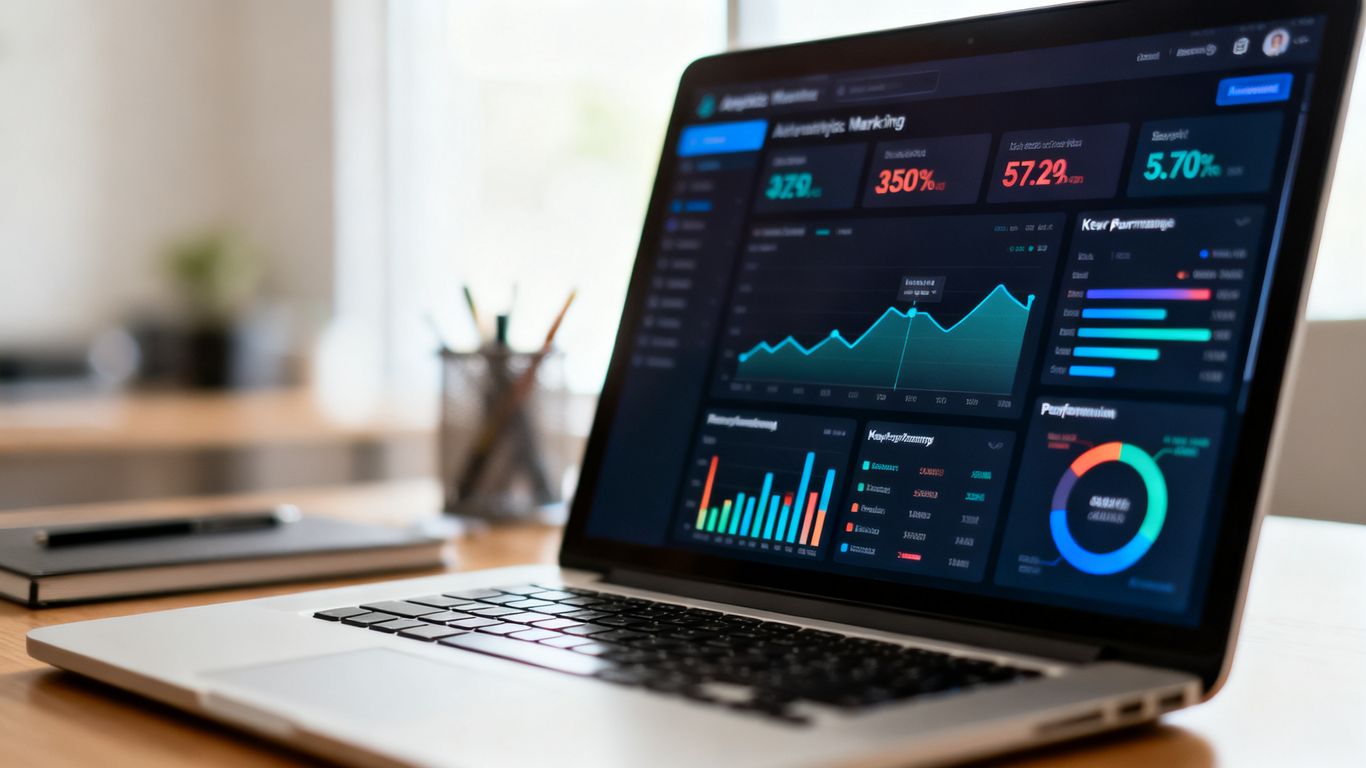
Driving traffic from outside sources serves as a powerful way to enhance your search ranking and visibility. By diversifying where your shoppers originate, you build a resilient traffic funnel that does not depend entirely on internal platform search. This omnichannel approach creates a safer path for long-term brand growth while reducing reliance on a single traffic source.
Building an off-Amazon email list
Capturing customer information before or after they purchase allows you to influence repeat behavior directly. Sending regular updates keeps your brand top-of-mind without needing continuous paid ads. This asset becomes infinitely more valuable as your audience size grows over time.
Partnering with influencers for referral attribution
Collaborating with content creators who share your values ensures that your products reach an engaged, ready-to-buy audience. You can leverage specific tags to monitor which partners generate the most meaningful traffic. This method of promotion often yields a higher trust factor than traditional display advertising.
Utilizing Amazon Attribution for brand growth
Tracking the performance of your external campaigns provides clarity on which channels work best for your unique goals. By focusing on metrics like click-through rates and conversion, you refine where your marketing budgets are directed. This data-backed process allows you to scale up successfully without wasting spend on ineffective platforms.
Operational levers for improving profit margins
Margin management involves continuous auditing of the costs associated with storage, fulfillment, and packaging. Frequent reviews of your platform invoices can reveal discrepancies that significantly impact your bottom line. Often, small adjustments in how you handle logistics yield the highest return on time invested.
Identifying and disputing hidden FBA fees
Fees for storage and fulfillment are calculated based on weight and dimensions that might change over time. When your items are mis-measured, you end up paying for space you are not using. Periodically reviewing these metrics is essential to maintain your fiscal health.
Negotiating volume-based supplier discounts
Scaling your operations provides you with more leverage when negotiating costs with your manufacturers. By committing to longer-term forecasts, you can often secure lower unit prices. The following table highlights the financial impact of improved procurement processes:
| Procurement Volume | Unit Cost | Total Margin |
|---|---|---|
| 500 Units | $5.00 | 25% |
| 2000 Units | $4.20 | 32% |
| 5000 Units | $3.50 | 39% |
The data shows how adjusting production scale directly correlates with healthier profitability. By keeping a close eye on these figures, you ensure that your business avoids margin erosion during periods of rapid scaling.
Auditing packaging weight and dimensions
Physical changes to your packaging design often result in lower shipping costs without impacting the product quality. Even a minor reduction in the dimensions of your shipping box can lead to substantial savings. Regularly testing new packaging protects your margins from rising carrier rates.
Maximizing customer lifetime value

Turning every visitor into a returning supporter marks the transition from store-keeping to true brand development. While initial growth relies on customer acquisition, scaling requires deep engagement with your existing base. By fostering these relationships, you ensure a steadier flow of organic sales.
Implementing post-purchase engagement workflows
Automating communication after a sale enhances the customer journey and provides helpful guidance on how to use their new item. Thoughtful outreach builds brand affinity and encourages proactive feedback. This personal touch frequently separates successful brands from impersonal competitors.
Building brand authority through the Amazon storefront
Your storefront provides a curated space that communicates the professional standard of your brand. Using this area to highlight your full product range helps visitors understand the cohesion behind your selection. A strong storefront presence effectively turns a single product view into a browse session.
Converting one-time buyers into repeat customers
Repeat business depends heavily on consistent quality and the perceived value of your offerings. Encouraging buyers to sign up for subscribe-and-save options or loyalty rewards creates a reliable cycle of sales. Keeping your audience interested through these methods reinforces their decision to choose you again.
Advanced advertising and brand defense strategies
Protecting your hard-earned visibility starts with active monitoring and structured campaigns. When your brand reaches a certain level, you need Amazon Advertising – PPC Management to maintain your share of voice. This proactive posture prevents unauthorized players from eroding your authority.
Protecting brand equity from unauthorized sellers
Unauthorized sellers often cause listing drift that hurts your reputation and pricing strategy. Implementing consistent analysis and strategy of selling on Amazon serves as a primary defense to keep your control intact. Protecting your intellectual property remains a core function of long-term brand security.
Scaling via Amazon DSP for retargeting
Retargeting campaigns help bring back visitors who expressed interest but stopped at the final moment. By serving ads off-platform, you capture attention that you might have otherwise lost forever. These ads reinforce your authority and help you maintain top-of-mind status.
Optimizing bid structures for long-tail keywords
Long-tail phrases are frequently cheaper to bid on and often yield higher conversion rates due to their high specificity. By mapping these phrases to your ad structure, you maximize your visibility across less competitive search queries. This strategy allows you to expand your reach organically without the high costs associated with broader terms.
Conclusion
Building a successful presence on these platforms requires a methodical approach to data analysis and asset optimization. By consistently refining your operations, you position your brand for sustainable results that balance growth with profitability.
Frequently Asked Questions
What is the primary benefit of tracking inventory metrics?
Tracking these metrics allows you to ensure capital is used effectively rather than sitting idly in a warehouse.
Why is external traffic important for platform ranking?
External traffic signals high demand to the algorithm, which can improve your search ranking for key terms.
How do listing images impact conversion rates?
High-quality imagery provides users with the immediate visual cues needed to make a confident purchase decision.
What are the main risks of unauthorized sellers?
Unauthorized sellers can cause damage to pricing strategies and potentially lead to poor customer experiences with your brand.
How often should you audit fulfillment fees?
You should review these fees whenever the dimensions or weight of your product packaging change significantly.
Can retargeting help with long-term brand growth?
Retargeting helps maintain brand visibility in the minds of potential customers who did not convert on their first visit.
How does A+ content improve product pages?
A+ content allows you to tell a detailed story that communicates the value proposition far more effectively than basic text options.
Need help with your strategy?
Consult our professional team for expert guidance on Amazoniac services to streamline your growth and optimize your performance today.