
How AI Is Changing Amazon Advertising (And What It Means for Brands)
Amazon advertising is changing, and AI is the big reason why. It’s not just about matching keywords anymore. AI is making it easier to create ads, get them seen by the right people, and figure out what’s working. For brands, this means a whole new way to think about getting noticed on Amazon. Let’s look at how AI Amazon advertising is shaking things up and what it means for you.
Key Takeaways
- AI tools from Amazon Ads help create ad materials like videos and images faster and cheaper. This helps brands of all sizes get their products in front of shoppers.
- Amazon’s AI is getting better at understanding what shoppers actually want, not just what they type into search. This changes how products get discovered.
- Brands need to think about creating clear, helpful content that explains their products well, rather than just stuffing keywords into listings.
- Using AI in your advertising workflow means starting with simple tools and combining them with your own knowledge of your brand and customers.
- Amazon is building AI responsibly, with checks to keep ads safe and aligned with what brands want, while still innovating.
Understanding AI’s Role in Amazon Advertising
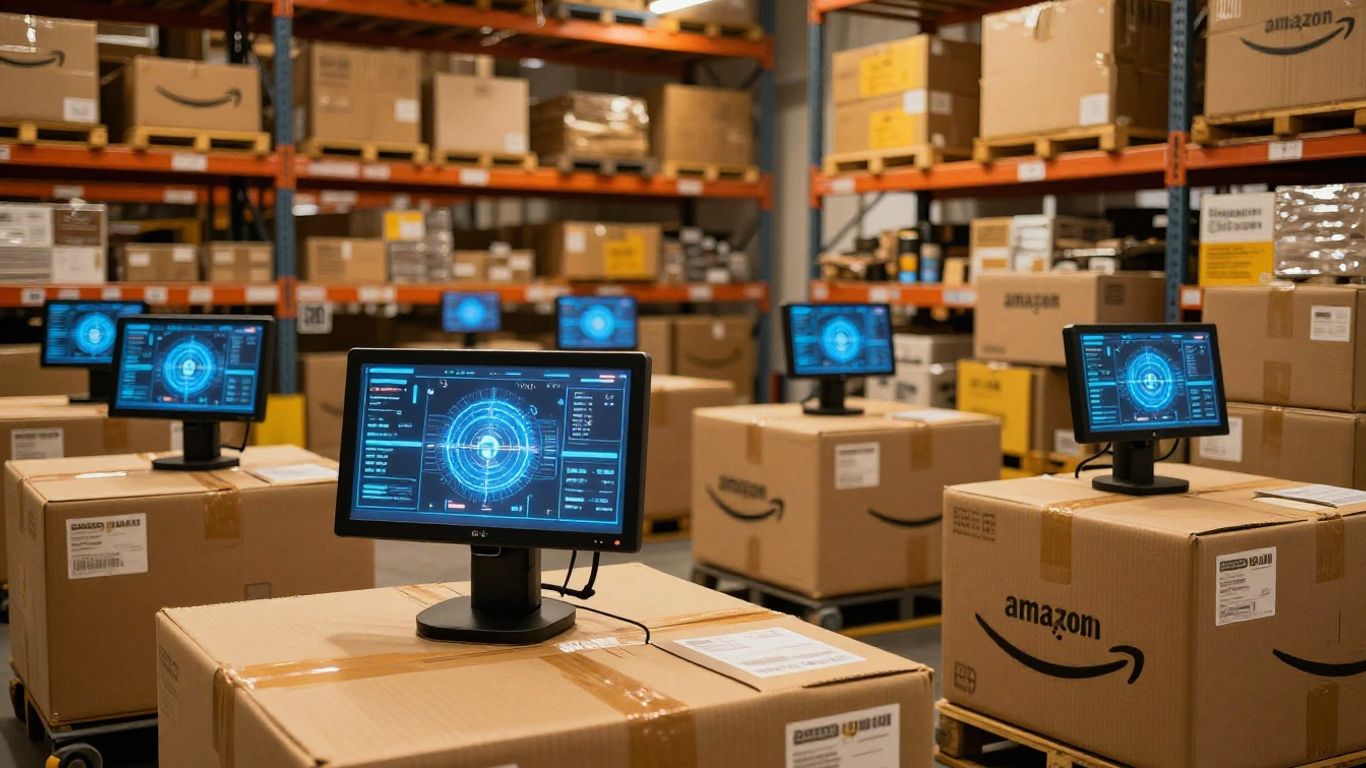
AI is changing how advertisers connect with shoppers on Amazon, but it’s easy to get lost in the buzzwords. Let’s look at how these changes actually show up in day-to-day advertising, from new technology to the practical tools Amazon offers and their bigger-picture plans for the future.
The Evolution of Advertising Technology
If you step back and compare advertising now to, say, five years ago, there’s a massive difference. In the past, creating and managing an ad campaign was mostly manual. Advertisers had to decide where to place ads, pick their creatives, and juggle lots of guesswork about what would work best. Today, AI handles many of the repetitive and time-consuming parts:
- Automated targeting: AI examines shopper behavior and predicts where ads will perform well, minimizing human trial-and-error.
- Campaign planning tools suggest budgets and placements based on past data.
- Ad content itself can be generated or tailored on the fly, letting brands launch faster and adapt to trends.
Amazon’s own upgrades, such as unifying sponsored and display ads under one AI-powered hub, allow for faster, more coordinated campaigns that reach across different parts of the site and even onto streaming TV.
With every change, the common theme is less guesswork and more data-backed decisions, so campaigns feel more like science than luck.
Practical AI Tools for Advertisers
Amazon has rolled out a lineup of AI-driven tools designed to solve real problems for advertisers, not just create hype. Some standouts include the Creative Studio for making ad assets, and performance-focused campaign managers that save time for brands of every size. Here’s a quick overview:
| Tool Name | What It Does | Who Should Use It |
|---|---|---|
| Creative Studio | Builds image, video, and audio assets | New and seasoned advertisers |
| Campaign Manager | Automates planning, launching, and optimization | Anyone running multiple ads |
| Full-funnel Campaigns | Automates ad delivery across channels, using AI | Brands wanting maximum reach |
For more insider info on these practical AI tools, it’s worth seeing how Amazon is using generative AI and insights from its Marketing Cloud to give advertisers an edge.
Amazon’s Vision for AI in Advertising
Right from the top, Amazon’s vision is straightforward: use AI so advertisers spend more time on brand-building, less on grunt work. Their leadership says new tools should be intuitive enough that anyone, not just big brands with deep pockets, can use them to tell better stories with less friction. The future points toward:
- Personalized ads tailored to each shopper in real time.
- Ads that adapt automatically to where, when, and how they’re shown on Amazon and beyond.
- A focus on connecting brands and customers through smarter use of data, not just more of it.
It’s clear that Amazon is aiming to put smart, easy-to-use technology directly in advertisers’ hands. The big goal? Let brands grow faster without extra stress, turning AI into a tool for everyone.
Streamlining Creative Production with AI
Creating ads used to take a lot of time and money, especially for smaller businesses. You needed fancy software, skilled people, and weeks to get something ready. Now, AI is changing that game. It’s like having a super-fast assistant who can whip up ad materials in minutes, not weeks. This means you can get your message out there much quicker and try out more ideas without breaking the bank.
Generating Campaign-Ready Assets at Scale
Think about needing different versions of an ad for various places online, or maybe a video showing your product in action. Before AI, this meant a lot of separate work. Now, AI tools can take your product images and descriptions and turn them into polished videos or eye-catching graphics. This ability to create many different ad pieces quickly is a huge win for brands wanting to reach more people in more places. It’s not just about making one good ad; it’s about making a whole set of them, tailored for different spots on Amazon or elsewhere, all without needing a big production crew.
Intuitive Tools for All Business Sizes
One of the best parts is that you don’t need to be a tech wizard to use these new AI tools. Amazon Ads has focused on making them simple. You don’t need to learn complicated software or understand AI jargon. If you know your product and who you’re trying to sell to, that’s usually enough. You can often just upload a picture or write a short description, and the AI does the heavy lifting. This makes advanced creative production accessible to everyone, from big companies with large marketing teams to solo entrepreneurs running their own shops.
Reducing Time and Cost in Content Creation
Let’s be real, time is money. The old way of making ads was slow and expensive. AI cuts down on both. Instead of spending days or weeks on a single video shoot or graphic design project, AI can generate similar results in a fraction of the time. This cost and time saving means businesses can reallocate resources to other important areas, like product development or customer service. It also allows for more experimentation. You can test different ad styles or messages more easily, learning what works best without a massive upfront investment.
AI is making it possible for businesses that previously couldn’t afford video production to now create dynamic video ads. This opens up advertising possibilities that were out of reach just a short time ago, leveling the playing field.
Here’s a look at how AI speeds things up:
- Video Generation: Turn static images into moving ads with music and text overlays.
- Image Creation: Produce lifestyle shots or product mockups that look professional.
- Ad Copy Suggestions: Get ideas for headlines and descriptions that might perform better.
- Format Adaptation: Quickly resize or reformat creative for different ad placements.
Enhancing Campaign Performance Through AI
AI is really changing how advertisers can get their message in front of the right people, and more importantly, how well those messages actually work. It’s not just about getting ads seen anymore; it’s about making sure the ads people see are the ones they’re most likely to respond to. This means a big shift from just matching keywords to actually understanding what a shopper is trying to do.
Optimizing Messaging for Audience Relevance
Think about it: you’ve got a product, and you want to tell people about it. AI can help figure out the best way to say it so that different groups of shoppers actually pay attention. It looks at what people have searched for, what they’ve bought, and even what they’ve browsed to get a sense of what they might be interested in right now. This allows for ads that feel less like interruptions and more like helpful suggestions.
- Personalized Ad Copy: AI can generate multiple versions of ad text, testing which phrases and calls to action work best for different customer segments.
- Dynamic Creative Adjustments: Ads can automatically change elements like headlines or images based on who is viewing them.
- Predictive Performance: AI models can forecast which ad variations are likely to perform best before they even run, saving time and ad spend.
Unlocking New Creative Formats
AI isn’t just about tweaking existing ads; it’s also opening doors to entirely new ways of showing off products. We’re seeing tools that can take a simple product photo and turn it into a dynamic video, or create lifestyle images that show the product in use. This makes it easier for brands, especially smaller ones without big creative teams, to produce eye-catching content that used to be really expensive and time-consuming to make.
Data-Driven Iteration and Learning
One of the biggest advantages AI brings is its ability to learn and adapt at a speed humans can’t match. Campaigns can be set up to automatically adjust bids, targeting, and even creative elements based on real-time performance data. This constant cycle of testing, learning, and refining means campaigns get better over time, rather than just staying static. This continuous improvement loop is key to staying competitive.
The goal is to move beyond simple automation and towards systems that can intelligently interpret performance data, identify patterns, and make proactive adjustments to improve campaign outcomes. This allows advertisers to focus more on strategy and less on the day-to-day mechanics of campaign management.
For example, a brand might see that ads featuring a specific product benefit perform better with a certain age group. AI can then automatically allocate more budget to those ads for that demographic, while simultaneously testing different benefits for other age groups. This kind of granular, data-backed optimization helps make every advertising dollar work harder.
The Impact of AI on Product Discovery
From Keyword Matching to Intent Interpretation
Remember when getting your product seen on Amazon meant stuffing your listing with every possible keyword? Those days are fading fast. Amazon’s advertising is shifting from simply matching words to actually understanding what shoppers mean when they search. Think of it like this: instead of just looking for "shoes," the AI is trying to figure out if you need "comfortable shoes for a long walk" or "stylish shoes for a party." This is a pretty big change, and it means brands need to rethink how they present their products.
The core of this shift is Amazon’s move towards understanding shopper intent. This isn’t just a minor tweak; it’s a fundamental change in how products get discovered. Systems like Rufus, Amazon’s conversational AI, are now interpreting full sentences and even vague descriptions to find the right items. This means your product descriptions, titles, and even images need to communicate the purpose and benefit of your product, not just its features.
Here’s a quick look at how this plays out:
- Titles: They need to read naturally and describe the product clearly, like "Women’s Cushioned Running Shoes for Long-Distance Comfort," rather than just a list of keywords.
- Bullet Points: These should answer shopper questions directly, explaining why a feature is good or how it can be used.
- Q&A: Detailed answers here act like training data for the AI, helping it understand your product better.
Leveraging Conversational AI for Shoppers
Over 250 million shoppers have already used Rufus, and that number is only going up. This isn’t a beta test; it’s the new way people are shopping on Amazon. When a shopper asks Rufus a question like, "What are some good gift ideas for someone who loves gardening?" the AI doesn’t just pull up products with "gardening gift" in the title. It analyzes the context, understands the nuance of the request, and looks at reviews, images, and product details to suggest relevant items. This means brands need to ensure their product information is rich and descriptive enough to be understood in these conversational contexts. It’s about telling a story with your product data, not just listing facts. For brands, this means paying attention to how your products are described and what benefits they offer, as this information is now being directly interpreted by AI to guide shoppers. You can start by auditing your titles for noun phrases to ensure they read naturally for humans.
Semantic Optimization for AI-Curated Feeds
Beyond direct search, AI is also curating entire shopping experiences. Imagine a shopper saying they want "cozy backyard patio ideas." Amazon’s Interests AI can then create a dynamic feed of products that fit that mood and theme. This is a huge departure from keyword-based advertising. To appear in these curated feeds, brands need to focus on semantic optimization. This means structuring your content around meaningful ideas and concepts that AI can understand. It’s about making sure your product’s purpose, use cases, and benefits are clearly communicated in a way that aligns with broader themes and shopper lifestyles. Brands that invest in narrative-rich content and clear value propositions are more likely to be surfaced in these AI-driven, mood-based shopping experiences. Relying solely on old keyword strategies might make your products invisible to these growing discovery channels.
Responsible AI Development in Advertising

As AI tools become more common in advertising, it’s really important to think about how we build and use them. It’s not just about making things faster or cheaper; it’s about doing it the right way. Amazon Ads believes that building AI responsibly is just as important as building it quickly. Innovation and integrity need to go hand-in-hand.
Balancing Innovation with Ethical Considerations
When we create AI tools, we’re thinking about a few key things to make sure they’re used ethically. This means being clear about how the AI works and what data it uses. We also want to make sure the AI is fair and doesn’t create biased outcomes. Human oversight remains a critical part of the process, even with advanced automation.
Implementing Guardrails for Brand Safety
We’ve put clear rules in place from the start to keep things safe. This includes:
- Brand Safety Controls: Systems designed to prevent ads from appearing next to inappropriate content.
- Content Review Pipelines: Processes to check AI-generated content before it goes live.
- Alignment Mechanisms: Ways to make sure AI-created content matches what the advertiser wants, follows Amazon’s rules, and meets general standards.
Ensuring Advertiser Intent and Platform Alignment
It’s vital that AI tools do what advertisers intend them to do and fit within the Amazon platform. We focus AI on areas where it can help without taking away human judgment. For example, generating content or optimizing existing ads. We’re always talking to advertisers and industry groups to make sure our tools are not only effective but also trustworthy. Building responsibly is an ongoing commitment that shapes how we develop and release new features, and how we hold ourselves accountable. You can find more information on principles for responsible AI use in advertising at responsible AI use.
The goal is to make AI a tool that helps advertisers tell better stories with less effort, leading to better results, all while maintaining trust and safety.
Integrating AI into Your Advertising Workflow

So, you’ve heard all about how AI is shaking things up in the Amazon advertising world, and now you’re wondering how to actually get it into your day-to-day work. It might seem a bit daunting at first, but think of it less like a complete overhaul and more like adding some really smart new tools to your existing toolbox. The goal isn’t to replace what you know, but to make things faster, more efficient, and frankly, more effective.
Starting Small with Creative Tools
Don’t feel like you need to jump into the deep end right away. A great way to begin is by exploring the creative AI tools that Amazon Ads is making available. Tools like the Image Generator or Video Generator can help you quickly produce campaign-ready assets. Instead of spending days or weeks on a single video, you can now generate multiple variations in minutes. This lets you test different visuals and messages without a huge upfront investment of time or money. It’s about getting comfortable with what AI can do for your creative output.
Combining AI Capabilities with Brand Expertise
Here’s the thing: AI is powerful, but it doesn’t know your brand like you do. The real magic happens when you blend AI’s ability to generate and optimize with your own knowledge of your customers and brand identity. Think of AI as a super-powered assistant. You provide the strategy, the insights, and the brand voice, and AI helps you execute on it at a scale you couldn’t manage before. For example, you can use AI to create ad copy variations, but you’ll still want to review them to make sure they perfectly capture your brand’s tone. This partnership is key to making AI work for you, not the other way around. Explore the integration of Generative AI and Large Language Models (LLMs) with Amazon Ads APIs to see how advanced capabilities can revolutionize your workflows.
Adapting to the New Intelligent Shopping Experience
As AI becomes more integrated into how shoppers search and discover products on Amazon, your advertising needs to adapt too. AI is moving beyond simple keyword matching to understanding shopper intent more deeply. This means your ads need to be more relevant and context-aware. By using AI tools to refine your messaging and creative, you’re better positioned to connect with shoppers at the right moment. It’s about staying ahead of the curve and making sure your brand is visible and compelling in this evolving digital landscape. The tools are designed to help you move faster and connect better, so start experimenting and see what works for your business.
Want to make your ads work smarter, not harder? Integrating AI into your advertising workflow can totally change the game. Imagine your ads reaching the right people at the right time, all with less effort from you. It’s like having a super-smart assistant for your marketing! Ready to see how AI can boost your sales? Visit our website today to learn more and get started!
The Road Ahead
So, what does all this AI stuff mean for brands trying to get noticed on Amazon? Basically, things are changing, and fast. Amazon’s pushing out tools that make creating ads simpler, even if you’re not a tech whiz. Think of it as having a helpful assistant that can whip up video or images for your campaigns without you needing to be a design pro. The big idea is to make advertising easier and more effective. It’s not about replacing human smarts, but about giving brands more power to tell their story and connect with shoppers. Brands that jump in and start experimenting with these new AI features, even in small ways, will likely be the ones to see the best results. It’s a good time to start learning and adapting, because the way people shop and discover products on Amazon is already different, thanks to AI.
Frequently Asked Questions
What is AI and how is it changing ads on Amazon?
AI, or Artificial Intelligence, is like giving computers a brain so they can learn and do smart things. On Amazon, AI is helping make ads better. It can create pictures and videos for ads super fast, help ads show up to the right people, and even understand what shoppers are really looking for, not just what they type.
Can AI really help my brand make ads?
Yes! Amazon has tools that use AI to help brands, even small ones, make cool ad pictures and videos without needing a big design team. You can use simple descriptions or product photos, and the AI helps create ads that look great and can be used in different places.
Will AI make my ads perform better?
That’s the goal! AI can help figure out the best words and images to use so your ads connect better with shoppers. It also helps test different versions of your ads to see what works best, leading to more sales and better results for your brand.
How does AI change how shoppers find products on Amazon?
Instead of just matching keywords, AI helps Amazon understand what shoppers *mean*. Think of it like a helpful shopping assistant that can chat with customers, understand their style, and suggest products that truly fit what they want, making product discovery more personal and smart.
Is it safe to use AI for my brand’s ads?
Amazon is working hard to make sure AI is used responsibly. They have rules in place to keep ads safe and make sure the AI-generated content fits your brand’s message and follows Amazon’s rules. It’s about using AI to help, not replace, good judgment.
Where should I start if I want to use AI tools for my Amazon ads?
Start simple! Try out Amazon’s creative tools to make different ad versions and see what connects with customers. Think of AI as a helpful assistant that works best when you combine it with your own knowledge about your brand and your customers. Just jump in and experiment!