Is Amazon FBA Worth It in 2025? The Complete Seller’s Guide
If you’re preparing to sell on Amazon or you’ve already taken your first steps inside Amazon Seller Central, there’s a question almost everyone asks eventually:
“Is Amazon FBA actually worth it for my business?”
Fulfillment by Amazon has become one of the most widely used distribution models in ecommerce, mainly because Amazon takes over the entire logistics chain. From storage to packing to customer service, FBA promises to make selling simpler and more profitable. But like anything on Amazon, it comes with trade-offs.
This guide walks you through how FBA works, the real costs behind it, the advantages most sellers don’t realize they get, and the situations where FBA simply doesn’t make sense.
What Is Amazon FBA?
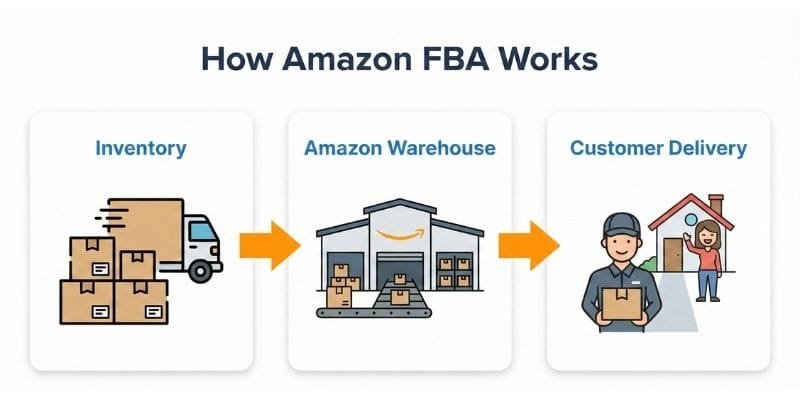
Amazon FBA (Fulfillment by Amazon) is Amazon’s logistics service where you send your inventory to their fulfillment centers, and they manage everything from that point onward. When a customer places an order, Amazon finds the item, packs it, ships it, and even handles customer communication and returns.
For many sellers, it feels like outsourcing the entire operational side of the business to one of the best logistics networks in the world.
The Benefits of Using Amazon FBA
One of the biggest reasons sellers switch to FBA is visibility. Products stored in Amazon’s fulfillment centers automatically become Prime-eligible, and that little blue badge can dramatically increase conversion rates. Prime shoppers trust fast shipping, and many filter search results to show only Prime products — which instantly gives FBA listings a competitive advantage.
Trust is another factor. Customers are far more comfortable buying from a seller whose orders are shipped by Amazon. It reduces hesitation, especially for first-time buyers, and helps build positive reviews because the shipping experience is smooth and predictable.
FBA also removes the daily operational headaches that come with ecommerce. No boxes, no labels, no trips to the post office. Amazon handles fulfillment with the same efficiency they use for their own products, which frees you up to focus on sourcing, advertising, brand building, and long-term strategy.
And, of course, you gain access to Amazon’s global logistics network — fast shipping, discounted carrier rates, and reliable customer service that you don’t have to manage yourself.
Understanding the Costs of Amazon FBA
Before you jump in, it’s important to understand that FBA isn’t free. The convenience and visibility come with several cost layers.
Storage fees are charged based on how much space your products take and how long they stay in the warehouse. These fees increase significantly during the holiday season. Fulfillment fees — the cost Amazon charges to pick, pack, and ship each unit — vary depending on size and weight. Smaller and lighter items generally enjoy healthy margins with FBA, while bulky items can quickly drain profitability.
There are also additional potential costs: labeling fees, long-term storage fees if your stock sits too long, returns processing fees, and prep requirements such as polybags or specific packaging. None of these are hidden, but many new sellers underestimate how quickly they add up.
So… Is Amazon FBA Worth It?
The honest answer: for many sellers, yes — but not for everyone.
FBA is worth it when your products fit the model: they’re small, lightweight, well-priced, and have solid margins. You’ll benefit from the Prime badge, from simplified operations, and from Amazon’s impressive fulfillment speeds.
But if your products are oversized, heavy, slow-moving, or already shipped economically through your own logistics setup, FBA may not be the most profitable option. The fees might outweigh the advantages.
Ultimately, your product type, sales volume, profit margins, and business goals determine whether FBA is a growth driver or an unnecessary expense.
Factors to Consider Before Choosing Amazon FBA
When evaluating whether FBA fits your business, start with the physical characteristics of your product. Size and weight have the biggest influence on both storage and fulfillment fees. A lightweight accessory can thrive on FBA; a bulky home appliance might struggle.
Also consider your current sales volume. High-volume products often perform exceptionally well with FBA because the increased conversion rate outweighs the fulfillment fees. Low-volume products, on the other hand, may not generate enough velocity to justify storage and long-term holding costs.
Your existing shipping capabilities matter as well. If you already run an efficient, reliable fulfillment system with good carrier rates, switching to FBA may not yield dramatic improvements. On the other hand, if your operations are manual or unstable, Amazon can instantly level up your delivery performance.
And don’t forget product restrictions. Certain items — hazardous goods, perishable food, temperature-sensitive products — may require special approvals or may not be eligible for FBA at all. Always double-check Amazon’s guidelines before sending inventory.
How to Get Started With Amazon FBA
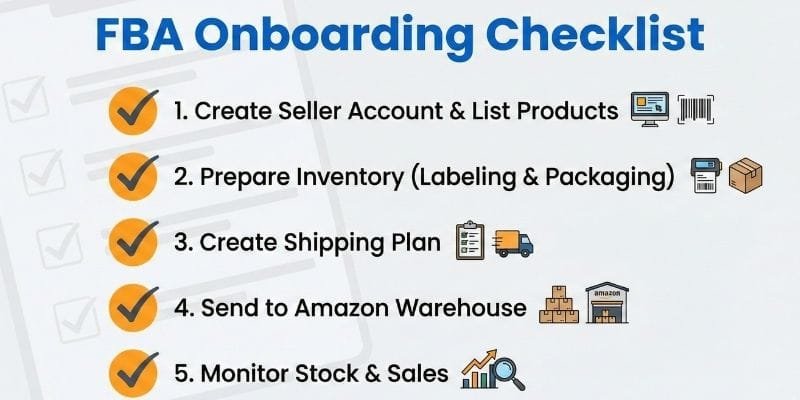
If you’ve decided FBA aligns with your goals, the setup is straightforward. First, create or log into your Amazon Seller Central account. Then list your products and prepare your inventory according to Amazon’s packaging and labeling rules. Once you create your shipping plan, send your products to the designated Amazon fulfillment center.
From there, Amazon takes over — but you still need to monitor your stock levels, watch for stranded inventory, and keep an eye on sales performance to maintain ranking and visibility.
How to Increase Profitability With Amazon FBA
Once your products are in the FBA network, profitability depends on strategy. Pricing should remain competitive but sustainable, and repricing tools can help you adjust to market demand automatically without sacrificing margin.
Strong listing optimization is essential. High-quality images, clear benefit-driven copy, keyword-rich titles, and compelling A+ content all contribute to higher conversion rates — which makes every fulfillment fee easier to absorb. (If you want a deeper dive, check out our post on Amazon Listing Optimization.)
Advertising is another major lever. Amazon PPC, when structured properly, drives ranking, visibility, and sales velocity. Sponsored Products, Sponsored Brands, and Sponsored Display ads can massively accelerate your growth, especially when combined with Prime shipping. This is where many sellers scale the fastest, and where expert guidance often pays for itself.
Finally, keep an eye on your inventory performance. Running out of stock hurts ranking; overstocking increases storage fees. Successful FBA sellers maintain a careful balance, guided by data rather than guesswork.
Common Challenges With Amazon FBA
While FBA simplifies operations, it does come with challenges. Storage and fulfillment fees can escalate unexpectedly, especially during peak seasons or if your stock moves slowly. Competition is another factor — because many sellers use FBA, you need a strong differentiation strategy to stand out.
Inventory management can also be tricky. If you’re selling across multiple channels or managing a broad catalog, keeping Amazon inventory in sync requires discipline. And although Amazon handles shipping, occasional issues like delayed check-ins, lost units, or damaged items still occur, so you should be prepared to file claims and track shipments carefully.
Is Amazon FBA Worth It for Your Business?
For many brands, Amazon FBA is a powerful accelerator. It unlocks Prime visibility, boosts customer trust, and removes the day-to-day logistics burden that often slows growth. If your product fits the model and your margins support the costs, FBA can dramatically simplify your operations and help you scale faster.
But it’s not a universal solution. It’s a tool — one that works brilliantly in the right scenario and poorly in the wrong one. The key is understanding your numbers, your product, and your long-term goals.