Amazon DSP: What Top Brands Do Differently
So, you’ve seen the big players doing amazing things with Amazon ads, and you’re wondering how they pull it off. It’s not magic, it’s strategy, and a big part of that strategy involves Amazon DSP. This isn’t just about showing up when someone searches for your product; it’s about getting in front of them before they even know they need it, and doing it across the whole internet. Let’s look at what makes these top brands stand out using Amazon DSP.
Key Takeaways
- Top brands use Amazon DSP to build brand awareness and create demand, not just capture existing sales. They reach audiences both on and off Amazon.
- They tap into Amazon’s unique first-party data to target specific customer behaviors and lifestyle segments with precision.
- Amazon DSP allows brands to run ads on various Amazon properties like Fire TV and Twitch, as well as across the wider web and apps.
- Dynamic e-commerce creatives are used to show real product information, improving ad performance compared to static images.
- Brands measure Amazon DSP success using metrics beyond just ROAS, focusing on factors like detail page view rate and new-to-brand customers.
1. First-Party Audience Data
When it comes to Amazon DSP, the real game-changer is the access you get to Amazon’s own first-party data. Think about it: Amazon knows what people buy, what they look at, and even what they add to their cart. This isn’t just random guessing; it’s based on actual behavior across Amazon.com, Fire TV, Alexa, and other Amazon properties. We’re talking about over 300 million active customers whose actions provide a pretty clear picture of their interests.
This data lets you build incredibly specific audiences. You can target people based on:
- Past purchases on Amazon.
- Products they’ve viewed.
- Brands they’ve interacted with.
- Specific product categories they seem interested in.
- Lifestyle segments, like "new parents" or "homeowners."
- Basic demographics like age and location.
The accuracy of this data is a huge deal because it’s based on real actions, not just what someone might click on. It means your ads are shown to people who are genuinely more likely to be interested in what you’re selling. This cuts down on wasted ad spend and makes your campaigns much more effective.
Beyond just targeting Amazon’s own segments, you can also use your own data. If you have a list of existing customers, you can upload it (Amazon hashes it for privacy, of course) to create custom audiences. This is great for running loyalty programs or cross-selling. Even better, you can create lookalike audiences. You give Amazon a "seed" audience – like your best customers – and Amazon finds new shoppers who act similarly. It’s like finding clones of your best customers, which is a powerful way to grow.
Layering these different audience types is where the magic really happens. You don’t just target people interested in, say, running shoes. You can layer that with demographics, past purchase behavior, or even lifestyle interests to create a super-focused group. This makes your ads way more relevant and efficient.
For example, you can use your website’s data. By adding the Amazon Ad Tag to your site, you can create audiences of people who visited specific pages, added items to their cart, or even bought something. This is perfect for retargeting – bringing those interested shoppers back to your products on Amazon.
2. Fire TV Video Ads
When you’re looking to really grab attention, video ads on Amazon Fire TV are a solid bet. Think of it like TV advertising, but with the targeting smarts of digital. These ads run on Fire TV devices, which are pretty common in households these days. They’re often full-screen and can’t be skipped, meaning people actually have to watch them.
This is a big deal because it gives brands a way to reach people who have cut the cord on traditional cable. You’re getting in front of viewers in a familiar, TV-like setting. It’s a great way to build brand awareness and tell a story.
Here’s why it’s a good move:
- High Impact: Full-screen, non-skippable ads make a strong impression.
- Authenticated Reach: Amazon has a huge number of logged-in Fire TV households, so you know you’re reaching real people.
- Targeting Capabilities: You can use Amazon’s data to target specific audiences, not just broad demographics.
The ability to reach millions of authenticated streaming TV households is a game-changer for advertisers. It means you can get more precise with your ad spend and avoid showing ads to the same people over and over. Early results show brands seeing better reach and lower ad frequency, which is always a good sign.
3. Twitch Live Streams

When you think about reaching younger audiences or people who are really into gaming and specific communities, Twitch is a big deal. Amazon DSP lets you put ads right into live streams on Twitch. This isn’t like a typical banner ad; it’s more about integrating your brand into the viewing experience.
Think about it: people are actively watching and engaged with the content. Placing ads here can feel less intrusive if done right, especially if the content aligns with your brand. It’s a way to get your message in front of a very dedicated group of viewers.
Here’s what makes advertising on Twitch through DSP interesting:
- High Engagement: Viewers are often very focused on the stream, making them more receptive to ads that are part of the experience.
- Community Focus: Twitch is all about communities. If your brand fits into a specific niche or appeals to a particular interest group, you can find that audience here.
- Brand Integration: Ads can appear as overlays, video ads during breaks, or even sponsored segments, allowing for creative placements.
This channel is particularly effective for brands looking to connect with Gen Z and Millennial demographics who spend significant time on the platform. It’s a chance to be where your audience is already spending their free time, making your advertising feel more natural.
While Twitch is known for gaming, it’s expanded to include a wide range of content, from music and art to just chatting. This means there are opportunities for brands outside the gaming world to find relevant audiences. Understanding the specific communities and streamers your target audience follows is key to making these campaigns work well.
4. Dynamic E-Commerce Creatives
When you’re running ads on Amazon DSP, you want your ads to feel as relevant as possible to the person seeing them. That’s where dynamic e-commerce creatives come in. Instead of just a static image and text, these ads pull in real-time product information straight from Amazon. Think product images, prices, and even customer reviews, all automatically updated.
This makes your ads feel much more like the actual product pages shoppers are used to. It’s a big step up from generic banner ads because it shows people exactly what they’re interested in, right when they’re looking.
Here’s why they’re so effective:
- Real-time Product Info: Prices and availability are always current, so no one gets frustrated by seeing an old price.
- Customer Reviews: Showing star ratings and snippets of reviews builds trust and social proof.
- Personalization: The ads can adapt based on the shopper’s behavior, making them more likely to click.
These ads are particularly great for retargeting. If someone viewed your product page but didn’t buy, a dynamic ad can remind them with all the details they saw, plus maybe a nudge like a review or a price update. It’s a smart way to bring shoppers back and help them complete their purchase. For brands looking to make their ads work harder, using dynamic creatives is a must-have strategy to capture demand on Amazon.
5. In-Market Audiences

When you’re trying to reach people who are already thinking about buying something like what you sell, "In-Market Audiences" are a really useful tool in Amazon DSP. Think of these shoppers as people who are actively browsing or searching for products in a specific category. They’ve basically raised their hand and said, ‘I’m interested in buying this soon.’
So, if you’re selling, say, high-end coffee makers, targeting the "in-market for espresso machines" segment means your ads show up right when people are showing they’re ready to buy. It’s a smart way to catch demand that’s already there. These pre-built segments are great for getting your brand in front of new customers who are primed to be interested. It’s a direct way to capture market share by showing your ads to people who are already looking for similar items. You can find out more about how to align with current search trends to help with a successful product launch.
Here’s how they generally work:
- Active Shopping Signals: These users have recently viewed or searched for products within your category.
- Purchase Intent: They show a clear signal of intent to buy, making them highly receptive to relevant ads.
- Category Specificity: You can target very specific categories, ensuring your ads reach the most relevant shoppers.
Using In-Market audiences helps you shift from just hoping to catch demand to actively creating a predictable pipeline of future customers. It’s about being in the right place at the right time with the right message.
These audiences are your go-to for reaching new customers at scale. They let you cast a wide, but still highly relevant, net to introduce your brand to people who are primed to be interested. It’s a powerful way to connect with shoppers who are further down the purchase funnel.
6. IMDb Display Ads
When you’re looking to reach a broad audience with visual ads, IMDb is a solid place to consider. It’s not just for movie buffs anymore; it’s a huge network where people spend a lot of time. Amazon DSP lets you place display ads right on IMDb, which is pretty neat.
These ads can be simple static images or more dynamic ones that pull in your product details. Think about it: your ad could show the product image, its current price, and even that star rating people look at. This kind of dynamic creative can really grab attention because it feels more personal and up-to-date. It’s a good way to get your product in front of people who might not be actively searching for it on Amazon at that exact moment, but are browsing content related to entertainment.
Here’s a quick look at what makes these ads work:
- Reach: Access to a large user base on IMDb.
- Format: Static or dynamic display ads.
- Integration: Seamlessly integrated within the Amazon DSP platform.
- Purpose: Great for brand awareness and driving traffic to your product pages.
Using IMDb display ads is a smart move for brands that want to expand their visibility beyond just the Amazon shopping site. It’s about meeting potential customers where they are, even when they’re just relaxing and watching trailers or reading about their favorite actors. It’s a way to get your brand noticed in a less direct, but still effective, manner. You can even use these ads to retarget people who have shown interest in your products before, bringing them back to complete a purchase. This is a key part of making sure your advertising profitability is on the upswing.
7. Amazon Marketing Cloud
Amazon Marketing Cloud, or AMC, is a pretty neat tool that lets advertisers look at their data in a whole new way. Think of it as a secure place where you can bring together all sorts of information from your Amazon advertising efforts – not just DSP, but also things like Sponsored Products and Sponsored Brands.
It’s essentially a data clean room, meaning your data stays private and secure while still allowing for powerful analysis. This is super helpful because, let’s be honest, figuring out exactly which ad made someone buy something can be tricky. AMC helps clear up those fuzzy areas.
Here’s what you can do with it:
- Combine Data Sources: Mix your Amazon Ads data with your own sales information, website analytics, or CRM data. This gives you a much bigger picture.
- Custom Reporting: Build your own reports to answer specific questions about your campaigns and customer behavior. No more being limited by standard reports.
- Advanced Attribution: Go beyond simple last-click attribution. AMC lets you build custom models to see how different touchpoints, like a DSP video ad followed by a Sponsored Product click, actually contribute to a sale.
- Audience Insights: Understand your customers better by analyzing their journeys across different Amazon advertising products.
AMC is where you can really start to understand the full impact of your advertising. It helps you see how upper-funnel activities, like brand awareness campaigns run through DSP, eventually lead to sales, even if those sales are later attributed to a different channel. This kind of insight is gold for optimizing your spend and proving the value of your broader marketing efforts.
For example, you might use AMC to see how many people who saw your Amazon DSP video ad later searched for your brand on Amazon and then purchased through a Sponsored Brands ad. This kind of cross-channel analysis is tough to do with just the basic reporting tools. It’s a big step up for brands that want to get serious about measuring their advertising effectiveness on Amazon and beyond.
8. OTT Streaming Ads
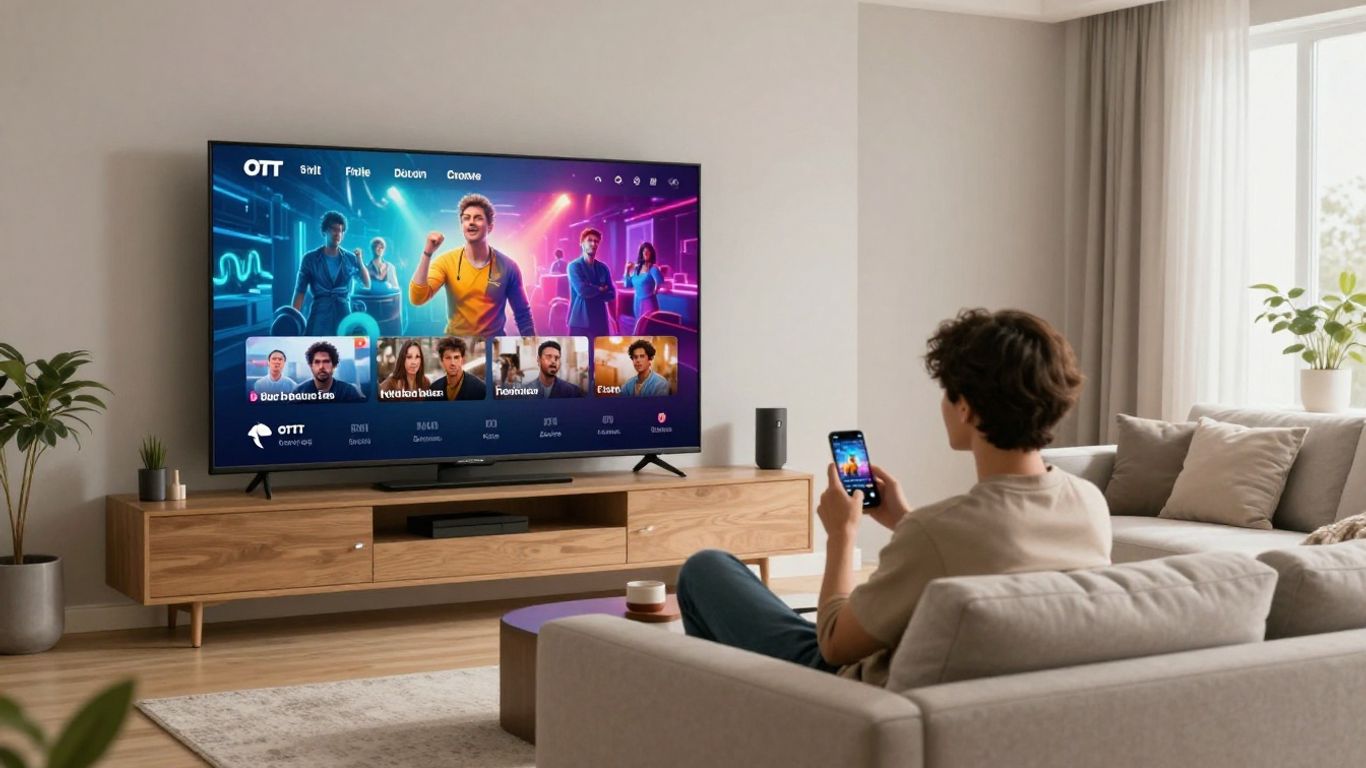
When we talk about reaching people where they’re watching, Over-the-Top (OTT) streaming ads on Amazon DSP are a big deal. Think of it as TV advertising, but smarter. These ads run on streaming platforms, mainly through Amazon’s own Fire TV devices, and they’re a way to get your message in front of viewers who have cut the cord on traditional cable.
These are typically full-screen, non-skippable video ads, offering a really immersive experience. Because they run on platforms like Fire TV, you’re reaching audiences in a TV-like setting, which can be super effective for brand building. Amazon’s ability to use its first-party data means you can target these viewers with more precision than traditional TV advertising allows. It’s about getting your brand in front of the right eyes, at the right time, on the screen they’re already using.
Here’s a quick look at why this matters:
- High Impact: Full-screen, non-skippable video grabs attention.
- Authenticated Reach: Amazon DSP can reach an estimated 80 million U.S. connected TV households, using verified data for better targeting.
- Beyond Amazon: While Fire TV is a key platform, this extends to other streaming environments where Amazon’s ad tech is present.
- Performance: Early results show brands seeing significant improvements in reach and return on ad spend when using these types of ads.
It’s a powerful way to connect with audiences who are spending more and more time streaming content. This kind of advertising is becoming a cornerstone for brands looking to capture attention in the modern media landscape, offering a way to get your message seen by people who might be harder to reach through other channels. It’s a big part of how brands are expanding their reach beyond just Amazon.com.
OTT advertising on Amazon DSP is about bridging the gap between the broad reach of traditional TV and the precise targeting of digital ads. It’s a way to get your brand in front of engaged viewers in a premium environment, making your ad spend work harder.
9. Audio Ads on Amazon Music
Audio ads on Amazon Music are starting to catch on as a new way for brands to reach people while they listen to music for free. Top brands are moving quickly to use these audio placements to talk to a focused, often younger group of listeners. It’s not just about getting your message heard—it’s about getting in early while the space isn’t too crowded yet.
Here’s what separates standout brands when they use Amazon Music audio ads:
- They craft short, memorable messages that stand out in between songs rather than fading into the background.
- Strong brands keep their ads fresh and rotate different messages to avoid listener fatigue.
- They make use of Amazon’s first-party data for sharper targeting, so the right listeners are hearing their ads, not just anyone with free music.
If you’re wondering why top brands are adding audio ads to their Amazon DSP strategy, it’s all about meeting people where their attention is shifting. More folks are streaming music, especially younger users, and audio ads naturally fit into their routine without requiring them to stop what they’re doing. Plus, brands can use detailed shopper insights to connect the dots between what people listen to and what they might want to buy, as explained in optimizing your product presence.
Audio ads on Amazon Music are a subtle but powerful tool. They let brands reach listeners hands-free—during a workout, commute, or while cooking—without a screen anywhere in sight. This form of advertising has a way of sticking with people, especially when it’s quick and relevant.
While upfront data on performance is still emerging, brands that experiment early are more likely to hit on what works. The chance to test, learn, and adjust before everyone else jumps in could be a big advantage.
10. Detail Page View Rate
When you’re running ads in Amazon DSP, it’s easy to get caught up in just looking at clicks. But what about the people who see your ad and then, without clicking, decide to check out your product page anyway? That’s where the Detail Page View Rate (DPVR) comes in. It’s a really good sign that your ad is grabbing attention and making people curious enough to learn more.
Think about it: someone is scrolling through content, sees your ad, and it sparks enough interest that they actively go to your product’s page. This isn’t a direct click, but it’s a strong signal of consideration. It shows your ad creative and messaging are working to pique interest, even if it doesn’t result in an immediate click.
DPVR is especially useful for understanding how well your top-of-funnel campaigns are performing. These campaigns are often about building awareness and getting your brand in front of new eyes. A good DPVR here means you’re not just getting impressions; you’re getting people to actually look at what you’re selling.
Here’s why it matters:
- Measures Ad Impact Beyond Clicks: It captures interest that might not be reflected in click-through rates alone.
- Indicates Creative Effectiveness: A high DPVR suggests your ad visuals and copy are compelling.
- Shows Purchase Intent: Users viewing your detail page are closer to making a purchase decision.
- Helps Optimize Top-Funnel Campaigns: It’s a key metric for assessing awareness and consideration efforts.
While clicks are important, don’t overlook the power of a detail page view. It’s a step in the customer journey that shows genuine engagement and a potential path to conversion. For brands looking to build awareness and drive consideration, keeping an eye on your DPVR can offer a clearer picture of your ad’s true impact. It’s a metric that helps you understand if your ads are truly making people stop and think about your products, which is a big step toward getting them to buy your products.
The goal isn’t always an immediate click. Sometimes, seeing an ad plants a seed that makes someone search for your product later or visit your page directly. DPVR helps you measure that subtle but important influence.
Want to know how many people actually look at your product pages? Understanding your Detail Page View Rate is key to seeing if shoppers are finding what they need. A good rate means your products are catching eyes! Want to boost your sales? Visit our website to learn how we can help you get more eyes on your products.
Wrapping It Up: Making Amazon DSP Work for You
So, we’ve talked a lot about what makes top brands stand out on Amazon DSP. It’s not just about throwing money at ads; it’s about being smart. These brands aren’t just trying to catch people already looking for something. They’re out there building excitement and getting their name out there before anyone even knows they need it. They use all that Amazon data to find the right people, show them cool ads on all sorts of websites and even TV, and then they keep an eye on what’s actually working, not just the easy numbers. It’s a whole different ballgame than just basic ads. If you’re serious about growing your brand beyond just the next sale, it’s time to really look at what Amazon DSP can do for you. It takes some effort, sure, but the payoff in building a brand that people remember and seek out is totally worth it.
Frequently Asked Questions
What exactly is Amazon DSP?
Amazon DSP, which stands for Demand-Side Platform, is like a super-powered advertising tool. It lets brands show ads not just on Amazon, but also on many other websites and apps people use every day. Think of it as putting up big, eye-catching ads wherever your potential customers might be looking online, even if they aren’t on Amazon at that moment.
How is Amazon DSP different from regular Amazon ads (like Sponsored Products)?
Regular Amazon ads are great for catching people who are already looking for something specific on Amazon. DSP is different because it helps you find people who might be interested in your product even if they haven’t searched for it yet. It’s more about building awareness and creating interest before they even start shopping.
Can brands that don’t sell on Amazon use DSP?
Yes, they can! Amazon has tons of information about what people like and buy. Even if you don’t sell on Amazon, you can use DSP to reach audiences based on their shopping habits on Amazon and then send them to your own website.
What kind of ads can I run with Amazon DSP?
You can run a few different types of ads. There are display ads, which are like digital billboards. Then there are video ads, which are great for telling your brand’s story. You can also run audio ads on places like Amazon Music and ads on streaming TV through Fire TV.
How does Amazon know who to show my ads to?
Amazon uses its own customer data, which is super valuable. It knows what people have bought, what they’ve looked at, and what kinds of things they’re interested in. DSP lets you use this information to target specific groups of people who are more likely to be interested in your products.
How do I know if my Amazon DSP ads are working?
It’s not just about how many sales you get directly from an ad click. With DSP, you also look at things like how many people saw your ad and then visited your product page, or if your ads helped people discover your brand for the first time. It’s about building your brand over time, not just making an immediate sale.