
Amazon listing optimization: Hidden Levers Most Sellers Ignore
Key Takeaways
Optimizing your product pages requires a blend of rigorous keyword research, visual persuasion, and data-driven adjustments to keep pace with changing customer behavior.
- Perform deep competitor analysis to identify rankable keyword gaps in the market.
- Develop primary and secondary imagery that addresses consumer hesitation head-on.
- Leverage A+ content to deepen trust through brand narratives and comparison tools.
- Use customer sentiment from reviews to proactively update feature lists.
- Adjust pricing and catalog structure to maintain healthy sales velocity on the platform.
Optimizing for Amazon’s latent semantic indexing
Effective search visibility hinges on understanding how the engine categorizes products based on relevance and intent. By moving beyond simple primary keywords, you can capture broader search traffic that matches consumer needs more accurately. This approach treats your listing as a source of information for the algorithm, ensuring your content supports both indexation and conversion.
Mapping competitor keyword gaps beyond search volume
Successful sellers do not just look at search volume; they isolate gaps where high-intent keywords are currently under-serviced by dominant brands. By analyzing competitor listings, you can uncover long-tail phrases that competitors miss, allowing you to capture niche search interest before others do.
Leveraging backend search terms for semantic reinforcement
Your internal search terminology acts as a powerful backend boost for relevant traffic. By filling the search term field with related semantic descriptors and synonyms, you allow the engine to map your product to a wider array of consumer queries without cluttering the visible listing.
Structuring product descriptions for AI-driven discovery
When writing descriptions, readability for both humans and machines is paramount. Using clear, modular layouts enables the algorithm to scan and attribute your features to relevant categories, while users benefit from quick, scannable facts that help them make a purchase decision.
Managing indexation status for long-tail phrases
Monitoring your indexing status ensures that intended phrases actually appear in consumer searches. Regularly updating your copy helps you maintain a strong search visibility profile across the entire breadth of your product portfolio.
Using conversion-focused imagery to drive clicks

Visuals represent the primary interaction point between a browser and your product page. Since shoppers cannot physically inspect the item, your imagery must perform the heavy lifting of answering questions and eliminating doubts. High-quality assets create a sense of professional legitimacy that often carries more weight than text descriptions alone.
Visual storytelling in the primary product image
Your hero image must stand out in a grid of competitors while immediately conveying the core utility. A crisp, clean representation of the item ensures that users know exactly what they are clicking on before they leave the search page.
Utilizing infographic hotspots to preempt customer objections
Secondary images allow you to highlight specific dimensions or compatibility details that often cause returns. By adding annotations directly onto your product photos, you solve user problems before they ever occur in the purchase journey.
Implementing video snippets for mobile shoppers
Mobile users rely on short, punchy visual content to understand product function. Including brief, focused videos showing the product in action helps provide context that static images might miss, particularly for complex or mechanical items.
A/B testing lifestyle images versus white-background assets
Different segments of your target market react uniquely to various visual styles. Testing lifestyle shots against plain studio backgrounds helps identify which aesthetic resonates most effectively with your target audience, potentially boosting click-through rates significantly.
Harnessing the psychological power of A+ content
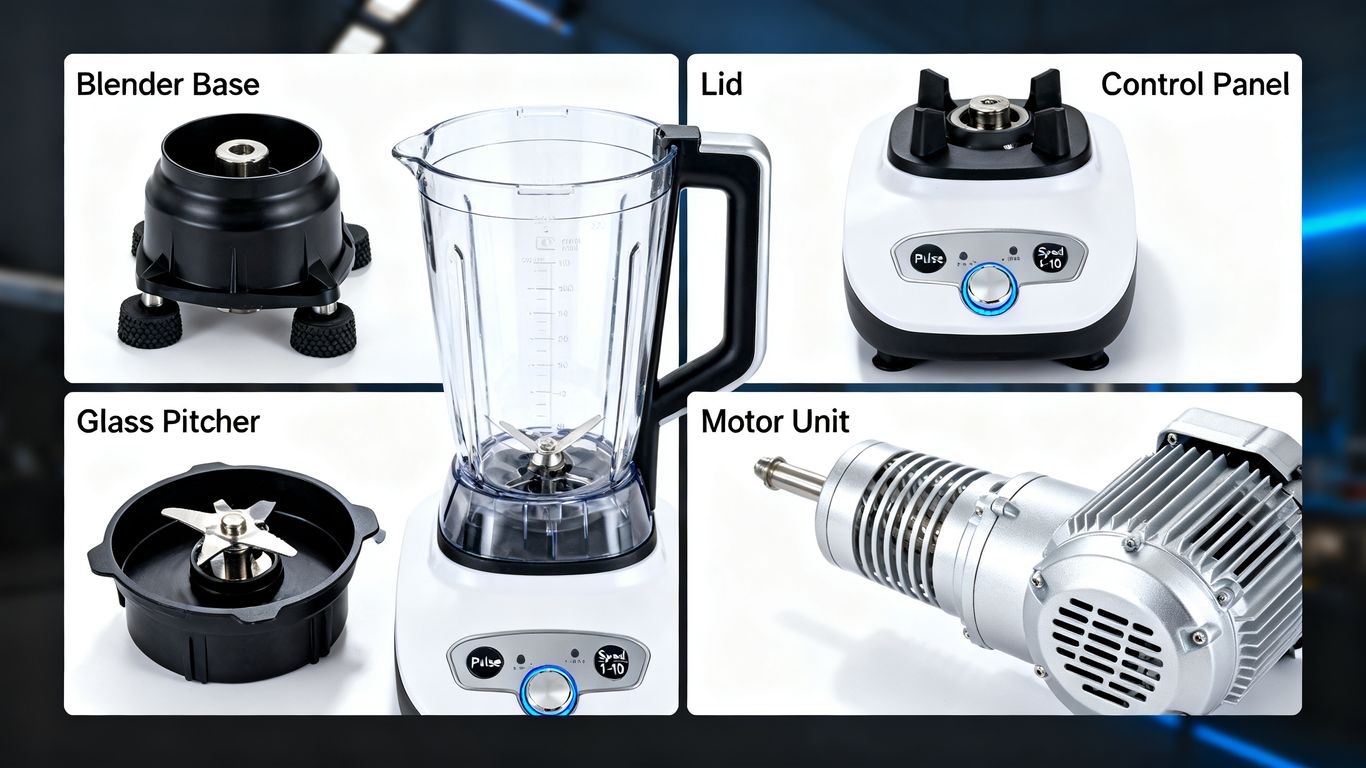
Advanced content modules transform simple fact sheets into immersive brand experiences that keep shoppers engaged on your page for longer periods. By organizing information into intuitive sections, you reduce cognitive load and steer the customer toward a final decision. Our partners at Amazoniac.agency provide expert services for Creating and optimizing Amazon listings to ensure this content resonates with shoppers.
Designing effective comparison charts to cross-sell
Comparison tables act as excellent tools for guiding customers toward higher-value versions of your offering. By placing these charts near the bottom of the page, you provide a clear alternative for users who need different features.
| Feature | Entry Model | Pro Model | Ultra Model |
|---|---|---|---|
| Battery Life | 10 Hours | 20 Hours | 40 Hours |
| Water Resistance | Basic | Advanced | Deep Dive |
| Build Quality | Plastic | Alloy | Titanium |
Strategically placing these tables helps move visitors through your entire range of offerings rather than just a single page.
Integrating brand storytelling to increase trust
Storytelling creates an emotional anchor that makes the purchasing process feel more personal. Sharing your history or commitment to quality helps bridge the gap between a faceless corporate catalog and a brand customers want to support long-term.
Utilizing high-resolution imagery for mobile-first views
Mobile shoppers frequently zoom into your images to check for fine details or texture. Ensuring your assets remain crisp at high resolutions prevents a feeling of cheapness and reinforces the quality of your materials.
Writing module copy that reinforces unique selling propositions
Every text module should reiterate why your brand is the superior choice. Keeping language punchy and benefit-oriented allows you to highlight your main advantages without losing the interest of a skimmer.
Exploiting Voice of Customer data from reviews
Reviews offer a direct line into the mind of the customer, highlighting specific frustrations or desires that are otherwise invisible. Analyzing this data provides a roadmap for improving both your physical product and your digital presentation of it.
Mining negative reviews for feature or quality gaps
Negative feedback should not be ignored but viewed as an essential diagnostic tool. Looking for patterns in complaints allows you to rewrite bullet points to accurately manage expectations or suggest manufacturing adjustments for future batches.
Incorporating common customer questions into detail pages
Addressing frequently asked questions in your listing proactively reduces the need for potential customers to scroll down to the Q&A section. This keeps the focus entirely on your content and maintains the momentum of the sales funnel.
Identifying linguistic sentiment trends for listing copy
Customers use specific words when talking about your products, which can be invaluable for keyword research. Mirroring the language real users employ helps your listing feel more natural and relatable, which can positively impact conversion.
Using customer feedback to refine product variations
Feedback can reveal that certain configurations or colors are favored by specific customer archetypes. Using this data helps you streamline your inventory, focusing on the variations that consistently perform well while pruning those that create clutter.
Fine-tuning unit session percentage and traffic metrics

Traffic volume means little if the conversion rate does not follow suit. To improve your overall efficiency, you must look at how visitors flow through the listing and identify exactly where they might be dropping off before purchasing.
Analyzing the correlation between price points and session rates
The price of your product serves as a primary signal to the consumer about the value they should expect. Tracking how session rates shift when you adjust pricing allows you to find the sweet spot where traffic is high and conversions remain healthy.
Optimizing listing copy for mobile snippet visibility
Mobile search results often truncate your title and description, leaving only the most critical information visible. Your copy needs to lead with the most important value proposition so that mobile users receive the essential information in that initial glimpse.
Measuring the impact of price changes on organic ranking
Fluctuations in price can lead to changes in sales velocity, which in turn influences your organic placement. Understanding this relationship helps you avoid volatile price shifts that might harm your momentum.
Adjusting catalog structure to improve sales velocity
Organizing your product variations properly enables better inventory management and smoother user navigation. Consider these tactical adjustments to improve your catalog performance:
- Group similar products into parent/child stacks to consolidate reviews.
- Separate distinct items into different listings to avoid confusion.
- Ensure variations are clearly differentiated in the select menu.
- Remove inactive or low-selling variations to boost aggregate velocity.
Consistent adjustments to your catalog structure allow the algorithm to distribute traffic more effectively across your high-potential items.
Integrating off-page signals into your Amazon ecosystem
External sources contribute to the overall authority of your landing pages by demonstrating broader market interest. By leveraging off-page momentum, you can drive high-intent visitors directly to your listings and gain a competitive edge in search rankings.
Driving external traffic to boost Amazon bestseller rank
External traffic acts as a multiplier for your organic efforts. By directing users from social platforms or email campaigns, you signal to the marketplace that your product is trending, which helps push it higher in organic results.
Leveraging social proof to drive high-intent search traffic
Authentic engagement outside of the platform provides a layer of social proof that validates the purchasing intent of the customer. Incorporating links from reputable sources helps establish authority before someone even visits your storefront.
Managing brand assets across Amazon storefronts
Consistency in visual and verbal identity across all brand pages ensures professional recognition. Using the storefront to group your products logically helps users explore your full range and increases the likelihood they will add more than one brand item to their cart.
Aligning display advertising with organic listing assets
Advertising campaigns should reflect the same messaging and value props as your organic listings. This provides a seamless transition for the shopper who clicks on an ad, ensuring that their pre-click expectation is fully met by the arrival on your detail page.
Conclusion
Optimizing your presence requires ongoing vigilance and a willingness to iterate based on real feedback patterns. By focusing on semantic relevance, visual clarity, and data-driven improvements, you build a sustainable foundation that helps your products rank higher and stay there. Whether you are improving existing assets or launching new items, the combination of technical detail and human-centric design remains the winning strategy for long-term growth.
Frequently Asked Questions
What does an Amazon listing optimization service typically focus on?
An optimization service focuses on auditing existing content, conducting thorough keyword discovery, and upgrading visual assets. The goal is to align your total product presence with current platform trends to enhance visibility and simplify the purchasing process for consumers.
Why are keywords so essential for visibility?
Keywords serve as the primary link between a customer’s specific query and your product. Without broad and long-tail keyword coverage, the algorithm may not recognize your item as a relevant solution, keeping your product relegated to pages beyond the reach of most shoppers.
Does high quality photography actually affect conversions?
Yes, high-quality photography is one of the most significant factors in conversion. Since customers cannot handle the product in person, they rely entirely on images to judge its quality and fit for their needs, often disregarding listings that look amateur or confusing.
How frequent should I update my listing copy?
There is no set schedule, but you should update copy whenever search term data or review patterns suggest a shift in how customers are describing or searching for your product. Periodic maintenance ensures that you stay relevant as search trends evolve within the marketplace.
Can external traffic help me rank higher on the site?
Driving external traffic helps demonstrate that your product has demand outside the internal search engine. This signal of popularity and high engagement can effectively push your product to higher placement faster than relying on internal traffic alone.
Is A+ content just extra decoration for the brand?
A+ content is far more than decoration; it acts as a tool for reducing anxiety and closing sales. By providing better visual context and detailed comparisons, you remove the barriers holding a customer back from clicking the purchase button.
How does review data inform future product decisions?
Review data provides an unfiltered account of what works and what fails in real-world usage. By mining these insights, developers and sellers can make targeted adjustments to product quality or include additional information on the page to fix recurring issues.