Unlock Amazing Savings: Your Ultimate Guide to Amazon Open Box Deals
You know, sometimes you just want to get a good deal. Like, a *really* good deal. Amazon has a whole section of stuff that’s been opened or returned, and they sell it for way less. It’s not always obvious how to find the best amazon open box deals, though. This guide is going to break down how to spot these treasures and save some serious cash. We’ll cover everything from understanding the conditions to knowing when to buy.
Key Takeaways
- Amazon open box deals, also known as Warehouse Deals or Resale, are items that have been opened or returned but are still in good condition, offered at a discount.
- Understanding condition categories like ‘Used – Like New’ to ‘Used – Acceptable’ helps you know what to expect and how much you can save.
- Finding these deals involves using specific search methods, checking categories, and sometimes using deal alert systems.
- Timing is important; checking at certain times of the day or week, especially around quarterly clear-outs, can yield better prices.
- Beyond just finding them, you can save more by looking at packaging variants, checking unit prices on multi-packs, and knowing the return policy.
Unearthing Amazon’s Hidden Treasures: The Warehouse Advantage
So, you’re looking to snag some sweet deals on Amazon, huh? Well, let’s talk about Amazon Warehouse. It’s not exactly a secret, but it’s definitely a goldmine if you know where to look. Think of it as Amazon’s own second-hand shop, but way more organized and, frankly, a lot less dusty.
What Exactly Are Amazon Open Box Deals?
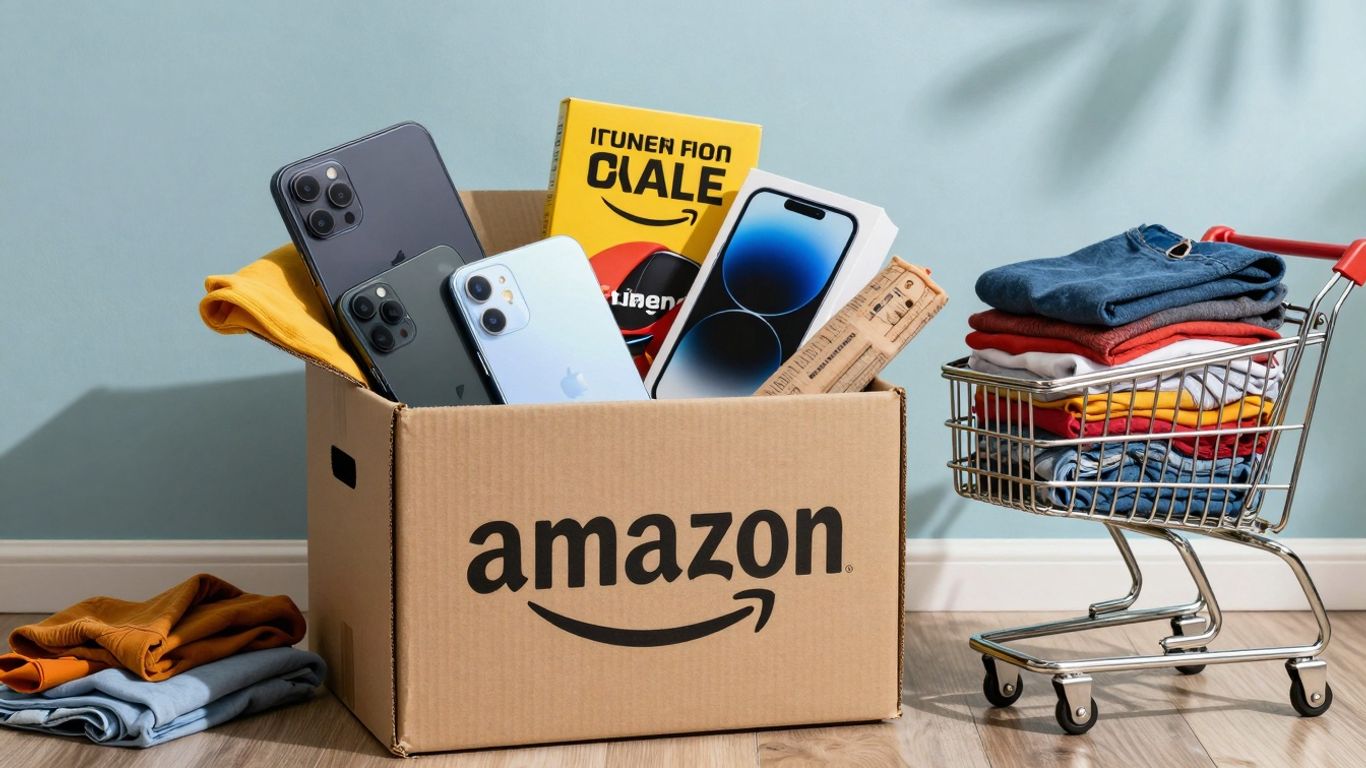
Basically, these are items that have been returned by customers for one reason or another. Maybe the box was opened, or there was a tiny scratch, or perhaps the buyer just changed their mind. Amazon then inspects these items, gives them a good cleaning, and slaps a "Warehouse Deal" label on them. The savings can be pretty significant, often ranging from 20% to 70% off the original price. It’s a fantastic way to get your hands on products you might not have splurged on otherwise. You can find everything from the latest gadgets to home goods, all with a little less of a hit to your wallet. It’s a win-win: you save money, and a perfectly good item gets a second life instead of ending up in a landfill. Plus, many of these items still come with Amazon’s standard return policy, which is always a nice bit of reassurance.
Decoding Condition Categories for Maximum Savings
Amazon doesn’t just lump all these returned items together. They have a grading system to tell you exactly what you’re getting. Understanding these conditions is key to finding the best value. Here’s a quick rundown:
- Like New: The item is basically brand new. The packaging might have been opened, but there are no signs of use. You’re pretty much getting a new product without the new product price tag.
- Very Good: The item shows minimal signs of use. There might be a few light scratches or cosmetic blemishes, but it’s fully functional. Think of it as "gently used."
- Good: The item shows more noticeable signs of wear, like scuffs or dents. It might also be missing non-essential accessories. It’ll still work, but it won’t look pristine.
- Acceptable: This is where you’ll find the deepest discounts. The item will have significant cosmetic damage, and it might be missing accessories or even the original packaging. It’s functional, but definitely shows its history.
Always remember to read the specific condition notes for each item. Amazon is usually pretty detailed about what’s wrong, so you won’t have any nasty surprises. It’s like getting a little peek behind the curtain before you buy.
The Allure of Amazon Resale: A Win-Win for All
Amazon Warehouse isn’t just about saving money, though that’s a huge perk. It’s also about sustainability. By buying these returned items, you’re helping to reduce waste. Think about all those perfectly good products that might otherwise be discarded. It’s a smart way to shop that’s also a little kinder to the planet. For sellers, it’s a way to recover some cost on returned inventory, and for buyers, it’s a treasure trove of potential savings. It’s a whole ecosystem designed to give products a second chance. You can find some truly amazing deals on Amazon’s best-selling products if you’re patient and know what you’re looking for.
Navigating the Labyrinth: Finding Your Perfect Open Box Deal
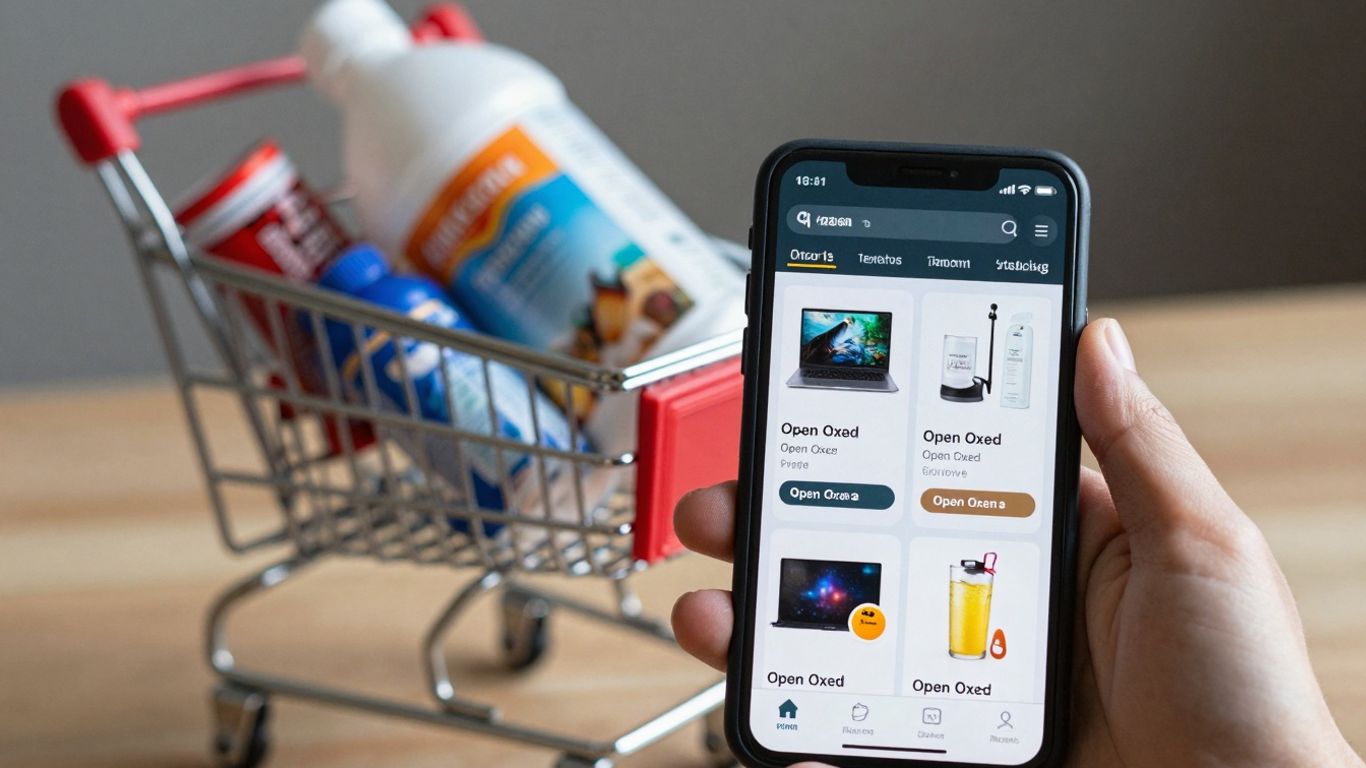
Alright, so you’ve heard about these Amazon open box deals, and you’re ready to snag some savings. But where do you even start? It can feel like a treasure hunt, and sometimes, you just want a map. Don’t worry, we’ve got you covered. Finding that perfect item at a sweet price is totally doable if you know where to look and how to search.
Mastering the Browse by Category Method
This is probably the most straightforward way to start. Think of it like walking through a giant department store, but instead of aisles, you’ve got categories. Amazon Warehouse (which is what they call their open box and used items section) lets you browse just like you would on the main site.
- Head over to Amazon Warehouse: You can usually find a link on the main Amazon page, or just type
amazon.com/warehouseinto your browser. It’s like a secret door to savings. - Pick your poison (category): Once you’re in, you’ll see all the usual suspects: Electronics, Home & Kitchen, Tools & Home Improvement, and so on. Click on the category that interests you.
- Filter, filter, filter: This is where the magic happens. On the left side of the page, you’ll see options to filter by condition (like ‘Used – Like New’ or ‘Open-Box – Excellent’), price range, brand, and even Prime eligibility. Use these filters aggressively to narrow down your options.
It’s a simple process, but it works. You might spend a little time scrolling, but the payoff can be huge. Plus, you never know what gem you might stumble upon.
Advanced Search Techniques for the Savvy Shopper
If browsing feels a bit too random, or you’re looking for something super specific, it’s time to get a little more technical. Amazon’s search bar is more powerful than you think, especially when you know a few tricks.
- Use specific keywords: Instead of just "TV," try "Sony 55-inch OLED TV" or "KitchenAid Stand Mixer KSM150PSER." The more detail, the better.
- Leverage URL parameters: This is where it gets fun. You can actually tweak the web address to filter your search results directly. For example, to find electronics that are ‘Used – Like New’ and sorted by the biggest discount first, you might use a URL like this:
amazon.com/warehouse/s?k=electronics&condition=used_like_new&sort=discount-desc
You can play around with different conditions (used_very_good,open-box_excellent) and sorting options. - Check "Other Sellers" on Product Pages: Sometimes, an open-box deal isn’t listed directly on the Warehouse page. Go to the regular product page, and under the "Buy Now" button, look for a link that says "X used and new from $XX.XX" or "Other Sellers on Amazon." This is often where you’ll find Warehouse items mixed in.
Remember, Amazon Warehouse items are often one-offs. If you see something you like, especially at a great price, don’t wait too long. Someone else might be eyeing it too!
Leveraging Deal Alert Systems for Instant Gratification
Let’s be honest, nobody has time to constantly refresh Amazon’s Warehouse page hoping for a deal to pop up. That’s where deal alert systems come in. They’re like your personal shopping assistant, notifying you when something you want becomes available.
- Amazon Assistant: This browser extension from Amazon itself can alert you to deals, including Warehouse items, as you browse. It can also compare prices across different sellers.
- Third-Party Price Trackers: Tools like Keepa or CamelCamelCamel are fantastic. You can set up price watches for specific products (or even ASINs). When the price drops to a level you’re comfortable with, especially for Warehouse deals, you’ll get an email or notification.
- Deal Forums and Subreddits: Communities like r/AmazonWarehouse on Reddit are goldmines. Users often post amazing deals they’ve found, sometimes before they even hit the main Warehouse pages. It’s a bit of a community effort, and you can learn a lot from other bargain hunters.
Using these systems means you can set your preferences and let the deals come to you. It’s the ultimate set-it-and-forget-it approach to snagging those open-box bargains.
Timing is Everything: When to Strike for the Best Deals
You know, sometimes it feels like finding a good deal on Amazon is a bit like catching lightning in a bottle. You see a price, you think about it, and poof! It’s gone. But what if I told you there are actually rhythms and patterns to Amazon’s pricing that you can learn to work with? It’s not all random chaos, believe it or not.
The Secret Shopping Calendar: Daily and Weekly Rhythms
Amazon is always buzzing, and that means deals pop up and disappear faster than you can say "add to cart." Think of it like a busy marketplace; there are peak times and slower times. While there isn’t a single "magic" day, keeping an eye out during the week can pay off. Many of the "Lightning Deals" and "Deal of the Day" promotions refresh daily, so checking in each morning is a good habit. You might find that certain categories see more frequent price drops on specific days, though this is more anecdotal than a hard rule. It’s less about a secret calendar and more about consistent observation.
Quarterly Clear-Outs and Monthly Inventory Resets
Retailers, even giant ones like Amazon, have to make space. This often happens at the end of seasons or financial quarters. Think about it: stores need to get rid of winter coats to make room for spring wear. Amazon does something similar. Around the end of March, June, September, and December, you might see more aggressive discounts as they try to clear out older inventory. Also, keep an eye out around major holidays – not just for the holiday sales themselves, but for the stock-clearing that often happens right before or after.
Prime Time: Early Access and Exclusive Opportunities
If you’re a Prime member, you already know you get some perks. One of the big ones is early access to certain deals, especially during big sale events like Prime Day. This gives you a head start before the general public gets a crack at the limited stock. Even outside of major events, Prime members sometimes get access to deals 30 minutes before anyone else. It’s not a huge window, but for highly sought-after open-box items, that little bit of extra time can be the difference between snagging the deal and watching it vanish.
Don’t just wait for the big sale days. Amazon’s pricing is dynamic. Prices can change based on demand, stock levels, and even competitor pricing. Being aware of these fluctuations means you can be ready to pounce when the opportunity arises, rather than just hoping for a good deal to appear.
Here’s a quick rundown of when to be extra vigilant:
- Daily: Check "Today’s Deals" and "Lightning Deals" for items that change every 24 hours or less.
- Weekly: While less predictable, some categories might see more activity on certain days. It’s worth a quick scan.
- Monthly: Around the end of the month, sellers might try to move inventory. Keep an eye on items you’re interested in.
- Quarterly: End-of-quarter (March, June, Sept, Dec) often brings clearance and reset pricing.
- Major Sales Events: Prime Day, Black Friday, Cyber Monday – these are obvious, but also look at the days immediately before and after.
- Holidays: Besides the holiday sales, look for post-holiday clearance.
Beyond the Obvious: Unconventional Hacks for Deeper Discounts
So, you’ve mastered the basics of finding open-box deals, but what if you’re looking to shave off even more cash? Amazon is a big place, and sometimes the best savings are hiding in plain sight, or rather, just a few clicks away from the obvious. These aren’t your everyday coupon codes; these are the little tricks that can make a surprising difference. Let’s get a bit sneaky.
The Power of Packaging Variants: Less Box, More Savings
Ever notice how some items come in a standard box, while others have a
The Fine Print: Understanding Returns and Warranties
So, you’ve snagged a sweet deal from Amazon Warehouse. Awesome! But before you start celebrating, let’s talk about the nitty-gritty. What happens if it’s not quite what you expected, or if something goes wonky down the line? It’s not quite as simple as buying a brand-new widget, but it’s usually not a total headache either.
Your 30-Day Safety Net: The Return Policy Explained
Think of Amazon’s standard return policy as your trusty sidekick for Warehouse deals. Most items you buy through Amazon Warehouse are eligible for returns within 30 days of getting them. This is pretty much the same as buying something new, which is a relief. You don’t have to return it in the exact same packaging it came in, and the process is just like any other Amazon return. Just make sure you initiate the return through your Amazon account, and you’ll get your refund back to your original payment method or as an Amazon gift card. Easy peasy.
Warranty Wisdom: What to Expect with Open Box Items
This is where things can get a little fuzzy. Unlike a brand-new item that comes with a full manufacturer’s warranty, open-box items from Amazon Warehouse often have a limited or sometimes no warranty at all. Amazon does inspect these items, and they’re supposed to be in good working order when they ship out. However, if something breaks a month or two down the road, you might be out of luck unless the seller specifically stated a warranty period.
- Check the Condition Notes: Always read the specific condition notes for the item. Sometimes, sellers will mention if there’s a partial warranty remaining or if it’s sold "as-is."
- Seller is Key: Make sure the listing clearly states it’s sold by "Amazon Warehouse." This means Amazon is backing the return policy. Third-party sellers offering open-box items might have different rules.
- Manufacturer Warranty: In some lucky cases, the original manufacturer’s warranty might still be active, especially if the item was returned very quickly after purchase. It’s worth a quick check on the manufacturer’s website with the product’s serial number if you can find it.
The biggest takeaway here is to manage your expectations. You’re paying less because the item isn’t new, and that often means fewer guarantees. Treat it like a smart gamble where the odds are usually in your favor, but not always.
Renewed vs. Open Box: Knowing the Difference
It’s easy to get these two mixed up, but they’re not quite the same. Amazon Renewed items are specifically refurbished products. Think of them as pre-owned items that have been professionally cleaned, inspected, and tested to work and look like new. They usually come with a minimum 90-day warranty, which is a pretty solid deal. Open-box items, on the other hand, are typically customer returns that might have minor cosmetic issues or just a damaged box. They don’t usually go through the same rigorous refurbishment process as Renewed items and often have that shorter, 30-day return window with no extended warranty.
| Feature | Amazon Open Box Deals | Amazon Renewed Items |
|---|---|---|
| Condition | Returned, minor damage, or open box | Professionally refurbished, like-new |
| Warranty | Limited or none | Minimum 90-day |
| Inspection | Basic check | Thorough refurbishment |
| Return Window | 30 days | 90 days |
Maximizing Your Haul: Stacking Savings Like a Pro
So, you’ve found some sweet open-box deals. Awesome! But why stop there? The real magic happens when you start stacking discounts. It’s like a treasure hunt where the prize is a lower total. Don’t just buy the item; see if you can shave off a few more bucks. It takes a little effort, but the savings can really add up.
Coupon Clipping in the Digital Age: Finding Hidden Codes
Forget those dusty coupon binders. On Amazon, coupons are digital and sometimes sneaky. Sellers often attach discounts to specific product variations – think a less popular color or an odd size. You won’t see it on the main page. You’ve got to click through each option (like different colors or sizes) to see if a little green coupon box or an "extra X% off" pops up. It’s a bit of a scavenger hunt, but finding a 25% discount on the "lime green" version when the "black" one has nothing? Totally worth it.
Following Brands for Exclusive Follower-Only Perks
Brands love their loyal fans, and sometimes they reward them with special deals. Many sellers have their own Amazon storefronts where they advertise promotions. Click on the seller’s name on a product page to visit their store. Look for banners announcing store-wide discounts. You might find that buying a small, inexpensive item from the same seller could help you hit a spending threshold for a bigger discount, saving you more than the extra item costs.
The ‘999’ Stock Trick: Gauging Inventory for Price Drops
Want to know if a seller has tons of a specific item? There’s a little trick for that. Add the item to your cart. Then, try to change the quantity to "999" and hit update. Amazon’s system can’t fulfill that many, so it’ll show you the maximum number the seller actually has in stock. This can sometimes give you a hint about how eager they are to move inventory, which might mean a price drop is coming.
The real pros don’t just use one trick; they combine them. Think of it like building a savings sandwich: start with an open-box deal, add a digital coupon, maybe use a gift card earned from another app, and then check for brand-specific sales. Each layer adds to your savings.
Want to get the most out of your sales? Our guide, "Maximizing Your Haul: Stacking Savings Like a Pro," breaks down how to combine different discounts and deals to save big. Learn the secrets to becoming a savings expert and watch your profits grow. Ready to boost your earnings? Visit our website today to discover more tips and tricks!
So, Go Forth and Save!
Alright, we’ve covered a lot of ground, from spotting those slightly dinged boxes to understanding what ‘Used – Good’ actually means. It turns out, Amazon’s open-box and warehouse deals aren’t some mythical creature; they’re a real, tangible way to get the stuff you need without emptying your wallet. Remember to check the condition notes, compare prices like a hawk, and don’t be afraid to explore those less-obvious corners of Amazon. Happy hunting, and may your savings be plentiful!
Frequently Asked Questions
What exactly are Amazon Open Box deals?
Amazon Open Box deals, now often called Amazon Warehouse or Amazon Resale, are items that have been opened, maybe used a little, or had their packaging damaged. Think of them as items that were returned or had a slight mishap in the warehouse. They’re usually in great shape and cost way less than brand-new ones.
How can I tell the condition of an open box item?
Amazon uses different labels to describe the condition, like ‘Used – Like New,’ ‘Used – Very Good,’ ‘Used – Good,’ and ‘Used – Acceptable.’ ‘Like New’ means it’s practically perfect with maybe just a tiny box issue. ‘Acceptable’ means it has more wear but still works fine. Always read the specific notes for each item to know exactly what you’re getting.
Are open box items still under warranty?
Often, yes! Many open box items still come with the original manufacturer’s warranty. Sometimes, Amazon or the seller might offer their own warranty, especially for refurbished items. It’s super important to check the product details to see what kind of warranty coverage you can expect.
When is the best time to find the best open box deals?
Timing can make a big difference! Try checking early in the morning, especially on Mondays, as that’s when weekend returns often get processed. Also, look around the end of each month and quarter, as Amazon might have big sales to clear out old stock. Right after major holidays is another good time to snag deals.
Can I return an open box item if I don’t like it?
Yes, you absolutely can! Amazon’s standard return policy usually applies to open box items. You generally have 30 days from when you receive the item to return it if it’s not what you expected or if there’s an issue. Just make sure to check the specific return details for the item you’re buying.
Are there ways to save even more on top of the open box price?
Definitely! You can sometimes find extra savings by looking for items with different packaging options (like ‘frustration-free packaging’ which might be cheaper). Also, don’t forget to check for digital coupons that can be clipped before checkout. Sometimes, buying a single item with a coupon is cheaper than a multi-pack!