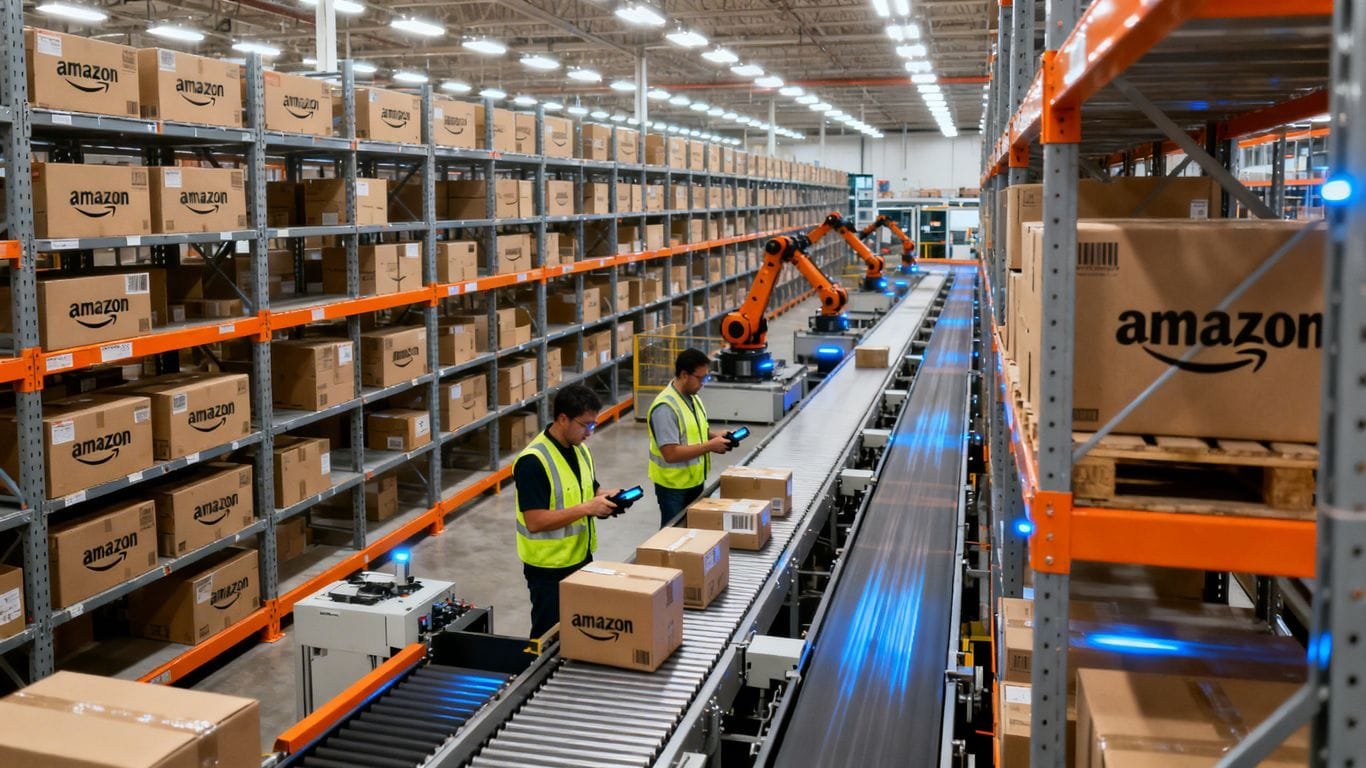
Latest Amazon Seller Central News Updates for 2026
Keeping up with Amazon Seller Central news can feel like a full-time job, right? Things change so fast. One minute you’re doing great, the next a new policy drops and you’re scrambling. This year, 2025, seems to be no different. We’ve gathered some of the big updates you need to know about, from fee changes to new rules that could affect how you sell. Let’s break down what’s new and what it means for your business.
Key Takeaways
Get ready for some small FBA and referral fee increases starting in 2026, but don’t worry, they’re not huge. Amazon says it’s just to cover costs better.
Amazon is making it easier to handle returns by letting you issue partial refunds without always needing the item back. This could save time and hassle.
Big news for imports from China: the ‘de minimis’ rule is gone, and there are new, high tariffs. This means sourcing from China might get a lot more expensive.
Amazon is automatically enrolling some unsold or returned items into liquidation or donation programs unless you set your preferences. Check your settings so you don’t lose control of your inventory.
Expect changes to FBA fees in the UK and EU, with fewer size categories. Also, watch out for higher holiday peak fees from October to January.
Navigating the Shifting Sands of Amazon Seller Central News
Staying Ahead of the Curve: Why Amazon Seller Central News Matters
Look, nobody likes surprises, especially when they involve our hard-earned money. The Amazon marketplace is always on the move, like a restless toddler. One minute things are humming along, the next there’s a new policy, a fee tweak, or some global trade kerfuffle that could mess with your bottom line. Keeping up with Amazon Seller Central news isn’t just about being in the know; it’s about staying in the game. Ignoring these updates is like trying to drive with your eyes closed – eventually, you’re going to hit something.
Your Monthly Dose of Amazon Marketplace Intel
Think of this as your regular check-up for your Amazon business. We’re here to break down the latest happenings, from the nitty-gritty policy changes to the bigger picture stuff that affects how you sell. It’s easy to get lost in the daily grind of managing listings and answering customer questions, but these updates are important. They can affect everything from your storage costs to how you handle returns. Staying informed means you can adjust your strategies before a small change becomes a big problem. It’s about being proactive, not reactive.
From Policies to Profits: What’s New in Seller Central
So, what’s actually new? Amazon’s been busy. They’ve rolled out some interesting changes that could actually make your life a bit easier, and some that just mean you need to pay closer attention. For instance, there’s a new way to handle partial refunds on FBA orders that could save you hassle and money. On the flip side, expect some fee adjustments coming down the pike, especially for FBA in the UK and EU, which is simplifying things by reducing parcel size tiers. It’s a mixed bag, but knowledge is power, right?
New Partial Refund Options: Less hassle with returns for certain FBA items.
Fee Structure Simplification: Fewer tiers for FBA fees in the UK and EU.
Policy Watch: Always be aware of changes that impact compliance and customer experience.
The marketplace is constantly evolving. What worked last year might not work today. Staying informed about Amazon’s updates is key to adapting your business strategy and maintaining profitability. It’s about making smart decisions based on current information, not guesswork.
We’ll be keeping an eye on all these developments, so you don’t have to. Check back regularly for the latest intel to help you manage your Amazon business effectively.
Fee-Fi-Fo-Fum: Understanding FBA and Referral Fee Updates
Alright, let’s talk about the money stuff. Amazon’s always tweaking its fee structure, and 2025 is no different. It feels like every year we’re bracing for some kind of change, and this year, they’re rolling out a few updates that might make you scratch your head, or maybe even do a little happy dance. It’s not exactly a fairy tale, but understanding these changes is key to keeping your profits healthy.
The 2026 Fee Adjustments: Less Than Half a Percent Impact?
So, Amazon announced some 2026 U.S. Referral and FBA fee adjustments. They’re saying the average FBA fee per unit will go up by about $0.08. That sounds small, right? They’re claiming it’s less than half a percent of an average item’s selling price. This comes after a year where they didn’t touch U.S. Referral or FBA fees at all in 2025, which is a nice little breather. Amazon’s explanation is that these changes are meant to better match what it actually costs them to fulfill orders, while still keeping things competitive with other shipping companies. It’s like they’re saying, ‘We’re just trying to keep up with the Joneses, but also, it costs more now.’
Granular Fees: Paying for What You Get (and Use)
One of the bigger shifts is this move towards more granular fee structures. Think of it like paying for exactly what you use, not just a flat rate for everything. If Amazon can fulfill an order more cheaply because of its size or weight, or maybe because it’s going to a nearby warehouse, the fees might be lower. Conversely, if it’s a more complex fulfillment process or requires extra handling, you might see higher fees. It’s all about trying to make the pricing reflect the actual costs more accurately. They want to avoid a one-size-fits-all approach, which, for sellers, means you really need to know your product dimensions and weights inside and out.
No New Fee Types, Just Smarter Pricing
Good news on this front: Amazon isn’t introducing any brand-new types of FBA fees. Phew! That means you won’t suddenly have to figure out a whole new category of charges. Instead, they’re refining the existing ones. They’ve also promised that sellers will get at least 90 days’ notice before any fee increases actually kick in. That’s a decent heads-up, giving you time to adjust your pricing, your inventory strategy, or maybe even your product listings if the margins get too tight. It’s a bit like getting a heads-up before your rent goes up – not ideal, but at least you know it’s coming.
The fee adjustments for 2026 are designed to align more closely with the actual costs of fulfillment, with a focus on granular pricing that reflects specific product characteristics and logistical requirements. While the average increase per unit is modest, sellers should pay close attention to how these changes might affect their specific product lines and overall profitability.
Here’s a quick rundown of what to keep in mind:
Average Increase: Expect a small bump, around $0.08 per unit on average for FBA.
Granularity: Fees will be more closely tied to product size, weight, and fulfillment complexity.
Notice Period: Amazon commits to providing at least 90 days’ notice before fee changes take effect.
No New Fee Types: The focus is on adjusting existing fee structures, not introducing entirely new ones.
Policy Prowess: Compliance and Customer Experience Enhancements
Amazon’s always tinkering with the rules, and this year is no different. It seems they’re trying to make things a bit smoother for everyone involved, from shoppers to us sellers. Let’s break down some of the bigger policy shifts that landed in 2025.
Partial Refunds Without the Hassle: A Win-Win for Sellers and Shoppers
Remember those times a customer wanted to return something, but it wasn’t really worth the shipping hassle? Amazon’s rolled out a neat feature that lets you offer partial refunds without making the customer send the item back. This is pretty sweet because it can save you money on return shipping and processing. Plus, it makes customers happier when they don’t have to deal with the return dance for minor issues. You can even set custom refund percentages and pick which products are eligible. It’s all managed through your FBA settings, so check it out.
Lower return-related costs: Less shipping, less processing.
Improved customer satisfaction: Quick resolution for minor issues.
Seller control: Choose eligible products and refund amounts.
This new partial refund option is a smart move by Amazon. It acknowledges that not every return needs a full song and dance, and it gives sellers more flexibility to handle situations efficiently. It’s a good example of how Amazon is trying to balance seller costs with a good buyer experience.
The FTC Settlement: Dark Patterns and What They Mean for Your Business
Okay, so Amazon got hit with a pretty hefty fine from the FTC back in October 2025. The big issue? Allegations of using tricky website designs – what they call “dark patterns” – to get people signed up for Prime without them really realizing it, and then making it a pain to cancel. This settlement is a big deal, not just for Amazon, but as a signal to all businesses. It means regulators are really watching how companies handle subscriptions and sign-up processes. For us sellers, it’s a reminder to be super clear and upfront with customers. No sneaky stuff allowed.
Grade & Resell: Turning Returns into Revenue (or Risk?)
Amazon also kicked off a pilot program called “Grade & Resell” for returned and excess inventory. The idea is to sort through these items, grade them, and then put them back up for sale. It’s a good way to cut down on waste and maybe get some money back from stuff that would otherwise just sit around. For sellers, this could be a way to salvage some value from returns. But, and it’s a big ‘but’, you need to think about your brand. How will these items be labeled? Will customers be okay buying something that was previously returned? It’s a bit of a balancing act between sustainability and brand perception.
Logistics and Tariffs: Navigating the Global Trade Gauntlet
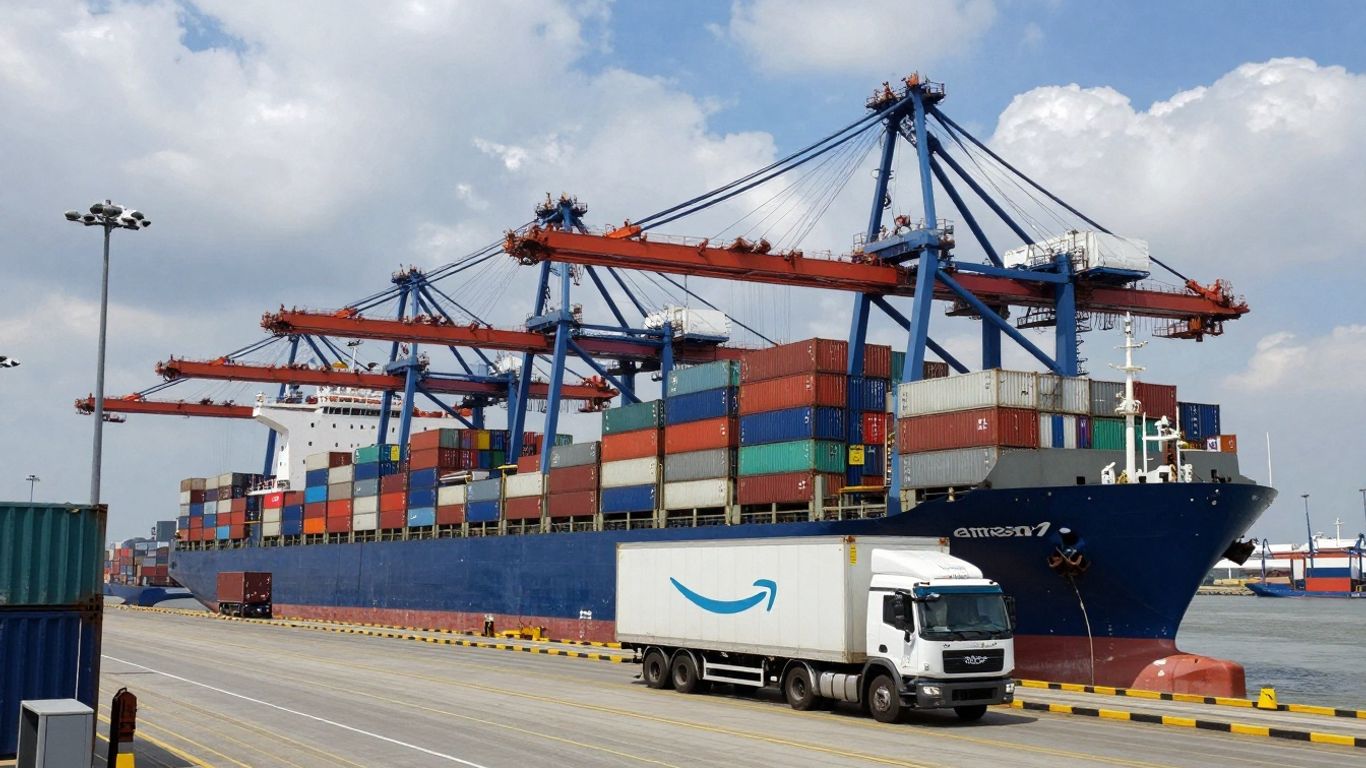
Alright, let’s talk about the stuff that makes your head spin: logistics and tariffs. It feels like every few months, there’s a new wrinkle in how goods get from point A to point B, especially when they’re coming from overseas. This year, things got particularly interesting, and frankly, a bit bumpy.
The De Minimis Rule’s Demise: Impact on Chinese Imports
Remember that little loophole, the de minimis rule? The one that let low-value shipments slide through customs without much fuss? Well, it’s pretty much gone for imports from China, and its full effect kicked in around September 2025. This means those small, cheap items you might have been bringing in are now subject to duties and take longer to clear. It’s forcing a lot of sellers to rethink their entire sourcing strategy. Suddenly, those super-low-cost items aren’t so low-cost anymore.
100% Tariffs: Preparing for the Storm from China
And then there’s the big one: the 100% tariff on goods from China, which officially started November 1, 2025. This wasn’t exactly a surprise party, but the impact is still massive. This move effectively doubles the cost of many products overnight. If you’re heavily reliant on Chinese suppliers, you’ve probably spent the last few months scrambling. We’re talking about needing to:
Assess your current inventory and projected needs.
Look for alternative sourcing countries, even if they’re a bit more expensive upfront.
Figure out if you can even pass those costs onto your customers without scaring them away.
It’s a tough spot, and many sellers are feeling the pinch. The new tariffs imposed by Donald Trump are expected to raise the average cost per shipment significantly, and for low-value items, that price jump can be pretty dramatic.
Bulk Buying to Beat the Tariffs: A Costly Strategy?
So, what did a lot of sellers do when they saw these tariffs coming? They bought in bulk. Like, really in bulk. The idea was to get as much stock as possible into the country before the new rates hit. It worked, in a way. They secured their inventory, at least for a little while. But this strategy wasn’t exactly free. It meant:
Tying up a ton of cash.
Paying higher storage fees because warehouses got crowded.
Straining Amazon’s own capacity, which led to tighter restock limits for everyone.
It’s a classic case of solving one problem by creating another, slightly different one. While it might have saved money on tariffs in the short term, the increased holding costs and tied-up capital are definitely things to consider. It’s a gamble, and not one that every seller can afford to take.
Marketplace Trends and Seller Strategies in 2025
Alright folks, let’s touch a bit what’s been shaking up the Amazon marketplace in 2025. It feels like every year, Amazon throws us a curveball, and this year was no exception. From how we promote our stuff to what we can even sell, things have definitely shifted. Staying on top of these changes isn’t just about keeping up; it’s about making sure your business doesn’t get left in the dust.
Prime Day 2025: Fewer Deep Discounts, More Strategic Offers
Remember the days of Prime Day where you felt like you had to slash prices to the bone? Well, 2025 showed us a different story. With tariffs and rising costs eating into margins, many sellers opted for smarter promotions instead of just deep discounts. Think bundles, exclusive product sets, or special offers for loyal customers. While shoppers might not have seen as many jaw-dropping deals, sellers were able to protect their profits. This means for future Prime Days, like the one coming up in October, we need to get creative. It’s less about a fire sale and more about strategic offers that still grab attention without tanking your bottom line. We’re seeing a move towards value-added promotions, which is a good thing for long-term business health.
Mystery Box Mania
This summer, we saw a weird little trend pop up: a surge in the popularity of ‘mystery boxes,’ where consumers would purchase a sealed package containing an unknown assortment of goods, often at a discounted price compared to buying the items individually. This intriguing concept, fueled by social media unboxing videos and the thrill of the unknown, quickly captured the public’s imagination, leading to a widespread, albeit temporary, fascination with these surprise packages.
Inventory Management and Fulfillment: Optimizing Your FBA Flow
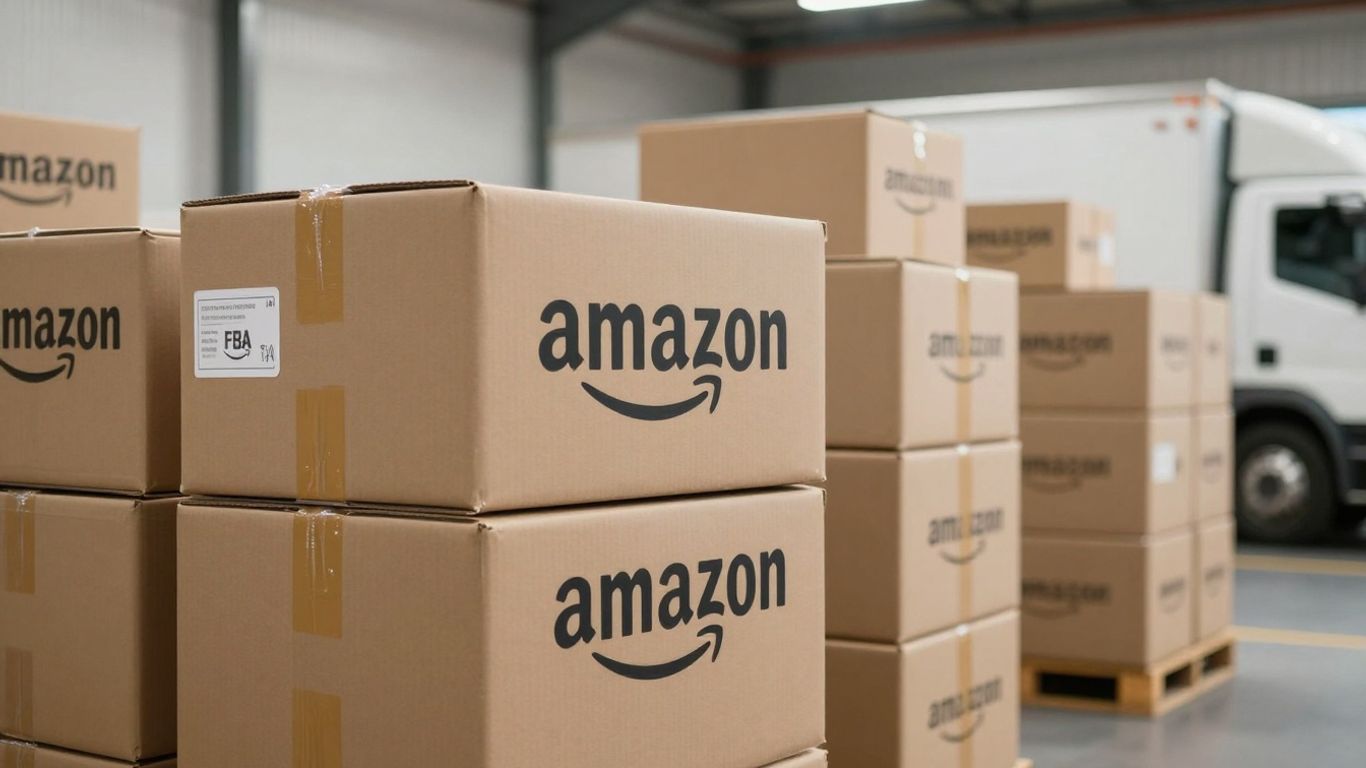
Alright, let’s talk about keeping your Amazon inventory humming along smoothly. It feels like Amazon is always tweaking things, and keeping track of your stock and how it gets to customers can feel like a full-time job. This year, they’ve really leaned into making things tighter, so if you’re not paying attention, you might find yourself in a bit of a pickle.
Holiday Peak Fees: Brace for Impact from October to January
So, the holidays are coming, and you know what that means: Amazon’s holiday peak fulfillment fees are back. Starting October 15th and running all the way through January 14th, 2026, expect those fees to go up. This isn’t just for FBA, but also for MCF and Buy with Prime. They’re calling it a way to handle the extra volume, but for us sellers, it means higher costs during the busiest sales period. The increases aren’t small either, ranging from about $0.19 to a whopping $2.81 per unit, depending on what you’re selling. A small item might jump from $3.15 to $3.34, while a big, heavy item could see its fee climb from $51.37 to $54.18. It’s definitely something to factor into your pricing and profit margins.
Tighter Storage and Restock Limits: Forecasting is Key
Amazon has been getting pretty serious about warehouse space. Back in mid-2025, they started putting tighter limits on storage capacity and how much you can restock for each item. This means your Inventory Performance Index (IPI) score is more important than ever. If you’re not managing your stock well, you could find your inbound windows shrinking. Accurate forecasting is no longer just a good idea; it’s pretty much a requirement to keep your products moving. Diversifying your fulfillment methods can help, but if you’re all-in on FBA, you really need to watch those limits. Trying to model the impact of these changes can be tricky, but tools like the Amazon FBA Calculator can help you simulate profit margins and fees before you send anything in.
Auto-Enrollment for Liquidations: Don’t Get Caught Unprepared
This one’s a bit of a curveball. Amazon is moving towards auto-enrolling certain inventory for liquidation. What does that mean? If your items aren’t selling or are taking up too much space, Amazon might just decide to sell them off for whatever they can get, without asking you first. This is especially true for items that have been sitting around for a while or are nearing their removal order deadlines. You need to be proactive. Keep an eye on your inventory aging reports and make sure you have a plan for slow-moving stock. Whether that’s running promotions, sending it back to yourself, or even donating it, just letting it sit and hoping for the best is becoming a risky strategy.
Return & Damaged Inventory: Clarified Ownership Options
Dealing with returns and damaged goods used to be a bit of a gray area. Amazon has been clarifying ownership options, which is good news, mostly. They’ve introduced features like partial refunds without requiring a return for certain FBA orders. This can save you shipping costs and hassle. For items that are returned or damaged, Amazon is also piloting a “Grade & Resell” program. This means they’ll assess returned or excess inventory, grade it, and then try to resell it. It’s a move towards sustainability, but for sellers, it means understanding how your returned items will be handled and what value, if any, you might get back. It’s also important to know your rights and responsibilities regarding damaged inventory that Amazon handles. Make sure you understand the terms of service regarding damaged or lost inventory claims.
Keeping your inventory flowing efficiently is more important than ever. With tighter limits, new fee structures, and automated processes for unsold goods, a proactive approach to stock management is key to profitability on Amazon in 2025.
Amazon Business and Beyond: New Tools and Opportunities
Let’s discuss new Amazon opportunities, especially for Amazon Business sellers looking to expand. Amazon has developed new tools and opportunities, which we’ll cover.
Bulk FBA Fee Discounts: Incentivizing Larger Orders
So, Amazon Business is rolling out some sweet deals for sellers who can handle bigger orders. Starting September 24, 2025, if you offer a business price or quantity discount of at least 3% off your regular price, you can snag some FBA fee discounts. This is Amazon’s way of saying thanks for making life easier by encouraging those bulk purchases, which, let’s be honest, usually come with fewer headaches and lower return rates. It’s a smart move to get more business-to-business action happening on the platform.
The Next Generation of Alexa: AI-Powered Echo Devices
Now, this might not directly impact your inventory, but it’s a peek into Amazon’s future. They’ve dropped a new line of Echo devices, all beefed up with an AI-powered Alexa+. Think of it as Alexa getting a serious brain upgrade. This new version is supposed to be way more conversational, understand context better, and even handle multi-step tasks. It’s Amazon’s big play in the AI assistant game, and while we’re not sure how sellers will directly benefit yet, it signals a push towards more intelligent interactions across their ecosystem. Keep an eye on this space; who knows what integrations might pop up down the line.
UK & EU FBA Fee Overhaul: Simplifying the Structure
If you’re selling across the pond, get ready for some changes. Amazon is shaking up its FBA fee structure in the UK and EU. The goal here is to make things a bit less confusing. While the specifics are still rolling out, the idea is to simplify the whole system. This could mean clearer pricing, maybe even some adjustments that make sense for different product types or fulfillment needs in those regions. It’s always a good idea to check the latest details for your specific marketplace to see how it affects your bottom line. You can find more about managing your Seller Central account to stay on top of these updates.
Amazon’s constant tinkering with fees and features means sellers need to be adaptable. What looks like a small change today could have ripple effects on your profit margins tomorrow. Staying informed is key, and these new initiatives, while varied, all point towards Amazon trying to shape seller behavior and streamline operations.
Discover the latest tools and chances for selling on Amazon in our “Amazon Business and Beyond” section. We’ll guide you through new ways to boost your sales and grow your business. Ready to take your Amazon selling to the next level? Visit our website today to learn more and get started!
So, What’s the Takeaway?
Amazon’s Seller Central is basically a living, breathing thing, always changing its mind. It feels like just when you get used to one rule, they toss in a new one, like those surprise tariff hikes or the FBA fee adjustments that sneak up on you. It’s enough to make you want to just sell lemonade on the corner. But hey, that’s the game, right? The key is to keep your eyes peeled, maybe use a few handy tools to help you spot the next big thing (or the next big headache), and try not to pull your hair out. Because let’s be honest, if you can handle Amazon in 2025, you can probably handle anything. Now, go forth and sell… wisely.
Frequently Asked Questions
What are the main changes in Amazon Seller Central for 2026?
Amazon Seller Central is changing quite a bit in 2026! Expect updates to fees for shipping and storing items, new rules about product returns, and big shifts in how products from China are handled. There are also new tools to help manage your inventory and opportunities with Amazon Business. It’s all about adapting to new rules and making your selling process smoother.
How will FBA and referral fees change in 2026?
Starting in 2026, there will be small changes to FBA and referral fees. Amazon says these changes will be very small, like less than half a percent of an item’s price. They’re also making the fees more specific, so you pay for exactly what you use. No brand new types of fees are being added, just a smarter way of pricing things.
What’s new with Amazon’s policies regarding returns and customer experience?
Amazon is making it easier to handle returns. For some items sent through FBA, you can now give customers a partial refund without them having to send the item back. This saves time and hassle. Also, Amazon is testing a program called ‘Grade & Resell’ to give returned items a second life, which could be good for reducing waste but sellers need to be careful about how it affects their brand.
How will new tariffs affect sellers importing from China?
Big changes are coming for products imported from China. The U.S. is removing a rule that allowed low-cost items to come in without many fees, and there’s a plan for a 100% tariff on many Chinese goods starting late in 2025. This means importing from China will likely cost much more, so sellers need to think about finding new suppliers or adjusting their prices.
What are the key trends and strategies for selling on Amazon in 2026?
For 2026, expect Prime Day to have fewer huge discounts and more focused deals. Also, be aware of safety rules, especially for toys, as some products from outside Europe have failed safety checks. The overall trend is towards more careful management of costs, quality, and compliance, so focusing on good products and following the rules will be more important than ever.
How can sellers better manage inventory and fulfillment in 2026?
Amazon is making changes to how inventory is handled, especially during busy times like the holidays. Expect higher fees from October to January. Storage limits and how often you can restock items are also getting tighter, so planning ahead is super important. There are also new automatic options for dealing with unsold items, so sellers need to set their preferences to avoid surprises.