Your Ultimate Guide to Selling Second Hand Books on Amazon in 2025
Got a stack of old books sitting around? You might be sitting on a small goldmine. Selling second hand books on Amazon is a pretty straightforward way to make some extra cash, even if you’re totally new to selling online. You don’t need a fancy office or a huge inventory to get started. All it really takes is a seller account, a few books, and a plan. Seriously, some people make a good chunk of change just from books they already own. This guide will walk you through how to turn those forgotten pages into profit.
Key Takeaways
- Selling used books on Amazon is a low-cost way to start earning money, requiring minimal investment and setup.
- Accurate condition descriptions and good photos are vital for creating listings that attract buyers and prevent disappointment.
- Deciding between Fulfillment by Amazon (FBA) and Fulfillment by Merchant (FBM) depends on your sales volume and how much work you want Amazon to handle.
- Sourcing books from places like estate sales, thrift stores, and library sales can provide inventory at low costs.
- To boost sales, consider using Amazon’s Best Seller Rank (BSR) to identify popular books and explore advertising options.
Unearthing Your Literary Riches: Getting Started
So, you’ve got a stack of books gathering dust, or maybe you’re just looking for a new venture. Selling used books on Amazon might sound like a lot of work, but honestly, it’s not as complicated as it seems. Think of it as giving your old stories a new life and making a bit of cash in the process. It’s a pretty neat way to start a side hustle without needing a huge investment.
Why Selling Second Hand Books on Amazon Is a Page-Turner
Let’s be real, the idea of selling books online can feel a bit daunting. But Amazon is a massive marketplace, and people are constantly looking for used books. It’s a win-win: you clear out space and make money, and someone else gets a book they want at a good price. Plus, Amazon handles a lot of the heavy lifting when it comes to payments and reaching customers. It’s a solid way to get into e-commerce.
The Low-Cost Entry to Your Bookselling Empire
One of the best things about selling books is how little you need to get started. You don’t need fancy equipment or a huge inventory. Your own bookshelf might be the perfect place to begin sourcing. The main costs are usually just the books themselves (if you’re buying them) and Amazon’s selling fees, which are pretty standard. It’s a low-risk way to test the waters of online selling. You can even start by selling books you already own, making the initial investment practically zero. This makes it a great option for anyone looking to start an online business without breaking the bank. You can find out more about how to sell coloring books on Amazon if you’re interested in a specific niche.
What Kind of Books Are Your Golden Tickets?
Not all books are created equal when it comes to selling. While you might love that obscure poetry collection, it might not fly off the virtual shelves. Generally, textbooks, popular fiction, recent non-fiction, and children’s books tend to do well. Condition is also super important – a book that’s falling apart won’t fetch much. Always check the condition before you list it.
Here’s a quick rundown of what usually sells:
- Textbooks: Especially recent editions, these are always in demand.
- Popular Fiction: Think bestsellers from the last few years.
- Non-Fiction: Cookbooks, history, self-help, and biographies can be good bets.
- Children’s Books: Classics and popular series are often sought after.
- Collectible or Rare Books: If you happen to stumble upon these, they can be very profitable, but require more specialized knowledge.
Remember, research is your best friend. Before you list anything, do a quick search on Amazon to see if similar books are selling and for how much. This will give you a good idea of what buyers are looking for and what price points are realistic. It’s not about guessing; it’s about knowing.
When you’re starting out, it’s wise to focus on books that are easy to find and have a proven demand. Don’t get discouraged if your first few listings don’t sell immediately. Keep at it, learn what works, and your literary riches will start to pile up.
Crafting Listings That Captivate Buyers
Alright, you’ve got the books, now let’s make them look irresistible. Think of your Amazon listing like a book cover and a blurb rolled into one. It’s the first impression, and in the fast-paced world of online shopping, you’ve got mere seconds to grab someone’s attention. We’re not just listing books; we’re selling stories, knowledge, and maybe even a bit of nostalgia. Let’s make those listings sing.
The Art of the Honest Condition Description
This is where trust is built, or broken. Nobody likes a surprise when their book arrives, especially if it’s a surprise they didn’t want. Being upfront about the condition isn’t just good practice; it’s your shield against returns and grumpy reviews. Amazon has its own set of condition guidelines, and it’s wise to stick to them. Here’s a quick rundown:
- New: Straight from the publisher, never touched. Pristine.
- Like New: Might have been opened, but looks like it’s never been read. No creases, no marks.
- Very Good: Shows a little love. Maybe a tiny bit of wear on the cover or pages, but no major damage.
- Good: Clearly used, but still perfectly readable. Expect some signs of wear, maybe minor writing or a slightly bent corner.
- Acceptable: It’s seen better days, but the story is still there. Expect noticeable wear, possible markings, or minor damage.
When describing used books, honesty is your best policy. If there’s highlighting, a former owner’s name inside, a dog-eared page, or even a faint coffee ring, mention it. For those rare finds, like signed copies or first editions, make sure to detail those special features. It adds to the book’s appeal and justifies the price.
Remember, your goal isn’t to make every book sound like it just came off the press. It’s to accurately represent what the buyer will receive. Setting the right expectations upfront means happier customers and fewer headaches for you.
Photographing Your Books Like a Pro
People buy with their eyes, especially online. Blurry photos or shots taken in dim lighting just won’t cut it. You don’t need a fancy studio, but a little effort goes a long way.
- Good Lighting is Key: Natural light is your best friend. Position your book near a window, but avoid direct sunlight that can wash out details or create glare.
- Showcase the Cover: This is the main attraction. Make sure the title and author are clearly visible.
- Highlight the Condition: Take pictures of any flaws you mentioned in your description – a bent corner, a small tear on the dust jacket, or any writing inside. This reinforces your honesty.
- Multiple Angles: Show the front cover, back cover, spine, and maybe a shot of the pages or any interesting inside pages (like the title page or a dedication).
- Clean Background: Use a plain, uncluttered background. A simple white or neutral surface works best so the book stands out.
Pricing Your Pre-Loved Pages for Profit
Pricing is a bit of an art and a bit of a science. You want to be competitive, but you also want to make a profit. Here’s what to consider:
- Check the Competition: See what other sellers are asking for the same book, especially those using Fulfillment by Amazon (FBA) if you plan to use it too. Also, check Fulfillment by Merchant (FBM) prices.
- Consider the Book’s Condition: A book in ‘Like New’ condition can command a higher price than one in ‘Good’ condition.
- Look at Price History: Tools like CamelCamelCamel can show you how the price has fluctuated over time. Is the current price unusually high or low?
- Factor in Your Costs: Don’t forget what you paid for the book, Amazon fees, and shipping costs (if you’re doing FBM).
Don’t be afraid to adjust your prices. The market changes, and what was a good price last week might not be today. Keep an eye on your listings and be ready to tweak your pricing strategy to stay competitive and profitable.
Navigating the Amazon Fulfillment Maze
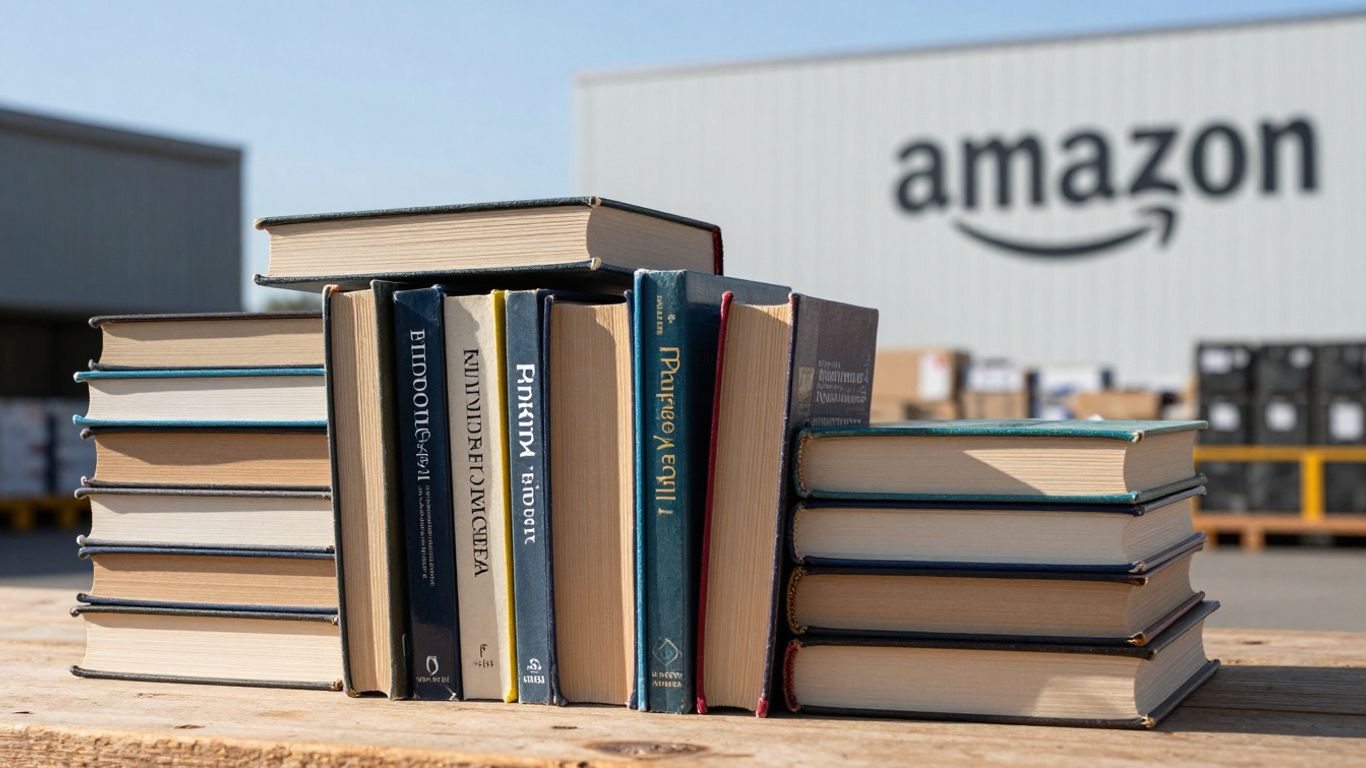
Alright, so you’ve got your literary treasures ready to go. Now comes the big question: how do these books actually get from your hands to a buyer’s bookshelf? Amazon throws two main paths at you, and picking the right one is like choosing between a trusty old bicycle and a rocket ship – both get you there, but the experience is wildly different. Let’s break down Fulfillment by Amazon (FBA) and Fulfillment by Merchant (FBM).
Fulfillment by Amazon (FBA): Let the Giant Do the Heavy Lifting
Think of FBA as hiring Amazon to be your personal warehouse and shipping department. You send your books in bulk to one of Amazon’s massive fulfillment centers. When a customer buys one of your books, Amazon picks it, packs it, ships it, and even handles most customer service issues and returns. It’s pretty sweet because your books often get the coveted Prime badge, which shoppers love for fast, free shipping. This can seriously boost your visibility and sales.
- Pros:
- Prime eligibility means more sales.
- Amazon handles shipping, packing, and customer service.
- Frees up your time to source more books.
- Often leads to higher sales volume.
- Cons:
- You pay FBA fees (storage, fulfillment).
- Less control over packaging and presentation.
- Inventory prep requirements can be a bit fiddly.
Fulfillment by Merchant (FBM): Keeping It In-House
With FBM, you’re the boss of your own shipping operation. You store the books yourself, and when an order comes in, you’re the one packing it up and sending it off to the buyer. This gives you total control over how your books are presented and shipped. You can use your favorite packaging, add a personal note, and really curate the customer experience. It can also be more cost-effective if you have a good shipping system in place, especially for lower-volume or niche books.
- Pros:
- Full control over packaging and branding.
- Potentially lower fees if you ship efficiently.
- Direct communication with your customers.
- Good for unique or slow-moving inventory.
- Cons:
- You handle all shipping, packing, and customer service.
- No Prime badge (unless you qualify for Seller Fulfilled Prime, which is a whole other ballgame).
- Requires your own storage space and time.
When to Choose Which Fulfillment Method
So, which one is your literary soulmate? It really depends on your business style and what you’re selling.
- Go FBA if: You want to maximize sales, especially for popular titles, and you don’t want to deal with the day-to-day shipping grind. You’re okay with Amazon taking a bigger cut for the convenience and sales boost.
- Go FBM if: You have a unique collection, want to control the unboxing experience, or are just starting out and want to keep costs super low while you figure things out. It’s also great if you have a really efficient shipping process already.
Ultimately, the best fulfillment method is the one that aligns with your available time, budget, and how much control you want over the entire selling process. Don’t be afraid to experiment, either. Many sellers start with one and switch to the other as their business grows or their needs change.
Here’s a quick look at how the costs might stack up, keeping in mind these are estimates and can change:
| Feature | Fulfillment by Amazon (FBA) | Fulfillment by Merchant (FBM) |
|---|---|---|
| Shipping Cost | Included in FBA fees (variable based on size/weight) | Paid by you (variable, but USPS Media Mail is often cheapest) |
| Storage Fees | Monthly fees apply, higher for longer storage | None (you provide your own storage) |
| Fulfillment Fee | Per-item fee for picking, packing, shipping | None (you do it yourself) |
| Customer Service | Handled by Amazon | Handled by you |
| Prime Badge | Yes (usually) | No (unless Seller Fulfilled Prime) |
| Control | Less control over packaging/presentation | Full control over packaging/presentation |
Remember, beyond these fulfillment costs, you’ll still have Amazon’s referral fees (around 15%) and closing fees to consider for both methods. Do the math for your specific books to see where your profit margins will be happiest.
Sourcing Your Next Bestsellers: Where to Find Them
Alright, so you’ve got the Amazon seller account, you’ve figured out how to list things, and now you’re wondering, "Where do I actually get these books?" It’s like asking a chef where they get their ingredients – it’s the whole game!
Estate Sales and Thrift Stores: The Dusty Goldmines
These places are the classic starting point for a reason. Estate sales, especially, can be a goldmine. People are clearing out entire households, and often, books are just part of the package. You might find entire collections for pennies on the dollar. Don’t be afraid to make an offer for a whole box or even a room full of books. Sometimes, the sellers just want them gone. Thrift stores are similar, though you might have to dig a bit more. The key here is patience and a good eye.
- Look for hardcovers: They generally hold their value better and are easier to ship without damage.
- Check for completeness: Missing pages or heavy damage are usually deal-breakers.
- Scan everything: Even if a book looks ordinary, a quick scan with your phone app can reveal hidden gems.
The thrill of finding a rare edition or a high-demand textbook tucked away on a dusty shelf is a feeling that never gets old. It’s like a treasure hunt where the prize is cold, hard cash.
Library Sales and Online Marketplaces: Digital Digging
Libraries often have massive sales to clear out old stock. These are fantastic for finding books in decent condition at rock-bottom prices. Websites like booksalefinder.com can help you track these down. Online, you’ve got options like Facebook Marketplace, Craigslist, and even eBay. You can often find people selling books in bulk, sometimes for very cheap. Be smart about it, though. Look for sellers who are clearing out their own collections or moving, as they’re often more motivated to sell quickly.
- Facebook Marketplace: Great for local deals and bulk buys. You can often negotiate prices directly.
- Craigslist: Similar to Facebook, but sometimes you find more unique listings.
- eBay: Good for specific titles or when you’re willing to pay a bit more for convenience.
Evaluating Potential Before You Purchase
This is where the rubber meets the road. You can’t just buy every book you see. You need a system. Your phone is your best friend here. Use Amazon seller apps or other book-scanning tools to quickly check a book’s Best Seller Rank (BSR) and its current selling price. If a book is selling for $10 and has a BSR in the hundreds of thousands, it might sit for a while. If it’s selling for $20 with a BSR under 100,000, that’s usually a good sign.
Here’s a quick checklist:
- Scan the Barcode: Get that BSR and price data immediately.
- Assess Condition: Be honest. Is it truly
Boosting Your Book Sales: Beyond the Listing
So, you’ve got your books listed, descriptions are honest, and prices are set. That’s great! But just listing them is like putting a book on a shelf in a quiet library and hoping someone stumbles upon it. To really get those pages turning and your sales climbing, you need to do a bit more. Think of it as giving your books a little nudge into the spotlight.
Leveraging Amazon’s Best Seller Rank (BSR)
Amazon’s Best Seller Rank (BSR) is basically a popularity contest for books on the platform. The lower the number, the better. It’s not the only thing that matters, but a good BSR means more eyes on your listings. How do you get a better BSR? Well, it’s a bit of a chicken-and-egg situation. Sales improve your BSR, and a better BSR can lead to more sales. The key is consistent sales, even if they’re just a few a day. You can use tools like the Amazon Sales Rank Calculator to get an idea of how many sales a certain rank represents. It’s a good way to see where you stand and what you might need to do to climb up the ranks. The goal is to get your book noticed by more potential buyers.
The Power of Social Media for Book Promotion
Don’t underestimate the power of shouting about your books from the digital rooftops! Social media isn’t just for sharing cat videos (though those are important too). It’s a fantastic place to connect with readers and fellow book lovers. Think about platforms like Instagram, Facebook groups dedicated to books, or even TikTok. Share interesting facts about the books you’re selling, post eye-catching photos (beyond just the cover!), or even run small contests. You could ask followers what they’re looking for next or share a funny anecdote about a book you recently acquired. Building a small following that’s interested in what you offer can translate directly into sales. It’s about creating a community around your bookish endeavors.
Considering Amazon Advertising for Visibility
If you’re looking to give your book sales a serious kickstart, Amazon Advertising is worth a look. It’s essentially paying to have your books show up more prominently in search results or on other book pages. It can feel a bit daunting at first, but there are ways to approach it without breaking the bank. Start small with a limited budget and focus on specific keywords that buyers are likely to use when searching for books like yours. You can also target specific genres or even other books that are similar to what you’re selling. It’s a way to get your books in front of people who are already in buying mode on Amazon. Remember, the goal is to boost your Amazon rankings and drive sales.
Getting your books seen is half the battle. While great listings are the foundation, actively promoting them through BSR awareness, social media engagement, and targeted advertising can make a significant difference in turning browsers into buyers. It’s about being proactive rather than just waiting for customers to find you.
Maintaining Reader Rapport: Customer Service Excellence

Look, selling books is fun. Finding that rare gem, listing it, and watching it fly off the virtual shelves? Pure joy. But what happens after the sale? That’s where the real magic, or potential mayhem, lies. Keeping your buyers happy isn’t just good manners; it’s smart business. Happy readers come back, leave good reviews, and generally make your life easier. Let’s talk about how to make sure your customers feel like they just found their favorite bookstore, not a shady back-alley dealer.
Handling Inquiries and Issues with Grace
So, a buyer has a question. Maybe they can’t find their package, or perhaps they think the book arrived in a condition that’s less ‘gently loved’ and more ‘survived a hurricane’. Your first move? Don’t panic. Take a deep breath. Respond quickly and politely. Even if you don’t have an immediate answer, acknowledging their message goes a long way. Think of it as a quick, friendly "Hey, I got your message, working on it!" If there’s a problem, listen to what they’re saying. Sometimes, a simple misunderstanding can be cleared up with a clear explanation. If you messed up – and hey, it happens to the best of us – own it. Offering a refund or a replacement without a fuss is often cheaper than dealing with negative feedback. Remember, a resolved issue can turn a disgruntled buyer into a loyal customer.
The Impact of Accurate Condition Notes on Feedback
This is huge. Seriously. When you list a book, you’re making a promise about its condition. If you say a book is ‘Very Good’ but it has coffee stains and dog-eared pages, you’re setting yourself up for trouble. Buyers are often very particular about the condition of used books. They’re not just buying a story; they’re buying an object. Be brutally honest in your descriptions. Use Amazon’s condition guidelines, but don’t be afraid to add extra details. Did you find a previous owner’s name inside? Mention it. Is there a slight musty smell? Let them know. It might seem like you’re pointing out flaws, but you’re actually building trust. Buyers appreciate sellers who are upfront. This honesty directly impacts the feedback you receive. Fewer surprises mean fewer complaints and, hopefully, more positive reviews. It’s better to under-promise and over-deliver than the other way around.
Encouraging Positive Reviews (Without Being Pushy)
Positive reviews are like gold for second-hand book sellers. They build credibility and encourage new buyers to take a chance on you. But how do you get them without sounding desperate or spammy? The best way is to simply provide an excellent experience. Ship quickly, pack items well, and communicate clearly. When a buyer receives their book and it’s exactly as described, they’re often happy to leave a good review on their own. If you really want to nudge things along, a simple, polite note included in the package can work wonders. Something like: "We hope you enjoy your new book! If you’re happy with your purchase, we’d be grateful if you could leave us a review on Amazon. Your feedback helps other readers find great books." Keep it short, sweet, and optional. Never demand reviews or offer incentives for them, as this can violate Amazon’s policies and backfire spectacularly. Focus on being a seller people want to review positively.
Building a good reputation takes time and consistent effort. It’s about more than just making a sale; it’s about creating a positive interaction that makes people want to buy from you again. Think long-term customer relationships, not just one-off transactions.
Great customer service is key to keeping your customers happy and coming back. It’s all about making them feel valued and heard. Want to learn how to provide top-notch support that builds loyalty? Visit our website today to discover expert tips and strategies!
So, Ready to Turn Those Pages into Profit?
Alright, we’ve covered a lot of ground, from finding those dusty gems to getting them listed and shipped. Selling used books on Amazon might seem like a lot at first, but honestly, it’s pretty straightforward once you get the hang of it. Think of all those books just sitting there, waiting for a new home – and for you to make a little cash. It’s not rocket science, and you don’t need a fancy degree to do it. Just a bit of patience, a good eye for what sells, and maybe a willingness to learn from the occasional oopsie. So go ahead, clear out those shelves, and start your Amazon bookselling adventure. Who knows, you might just surprise yourself with how much you can earn. Happy selling!
Frequently Asked Questions
How much money can I make selling used books on Amazon?
You could make anywhere from $500 to $2,000 each month. It really depends on how good you are at picking books and how you sell them. Some people make even more!
What kinds of used books sell the best?
School textbooks are always popular. Also, books that are hard to find anywhere else, like old or special editions, can be very profitable. Don’t forget about popular fiction and non-fiction books too, as long as they’re in good shape.
Where can I find used books to sell?
You can find great books at yard sales, thrift stores, and library sales. Also, check online places like Facebook Marketplace or Craigslist. Sometimes, you might even have good books right in your own home!
Should I use Amazon’s shipping service (FBA) or send books myself (FBM)?
If your books sell quickly, using Amazon’s service (FBA) is usually best. They handle the shipping and storage, and your books can get to buyers faster with Prime. If books sell slowly, sending them yourself (FBM) might let you keep more of the money.
How do I figure out the best price for my used books?
A good starting point is to price your book at about half the cost of a new one. Keep an eye on what other sellers are charging for the same book, especially those using FBA. Adjust your price if needed to stay competitive.
Do I need to worry about customer reviews?
You don’t have to worry about reviews for the book’s content since you didn’t write it. But, you do need to make sure customers are happy with their purchase. Being honest about the book’s condition and shipping it on time helps a lot. If you use FBA, Amazon handles most of the customer service.