Navigating the Amazon Shipping Dock: A Comprehensive Guide
Getting your products to Amazon’s warehouses can feel like a puzzle. There are a lot of moving parts, from making sure your items are ready to go to actually getting them to the right spot on time. This guide is here to break down the whole shipping dock amazon process, making it less confusing. We’ll cover how to get your stuff ready, what shipping options you have, and how to avoid common problems.
Key Takeaways
- Understand the whole Amazon FBA shipping process, from when your product is made to when it arrives at the fulfillment center.
- Proper product prep, packaging, and labeling are super important for Amazon. They have strict rules, so follow them closely.
- Choose the right shipping method – air for speed, sea for cost, or express for urgent small items. A freight forwarder can help you pick.
- A good freight forwarder is like a partner. They know Amazon’s rules, handle customs, and can save you time and money.
- Be aware of customs rules and delivery requirements. Knowing your total costs, including duties, is key to avoiding surprises.
Decoding the Amazon Shipping Dock Labyrinth
Alright, let’s talk about getting your products from wherever they’re made all the way to an Amazon fulfillment center. It sounds simple enough, right? Just slap a label on it and send it off. But anyone who’s tried it knows the reality is a bit more like trying to solve a Rubik’s Cube blindfolded. Amazon’s shipping dock is a complex beast, and understanding how it all works is the first step to not pulling your hair out.
Understanding the Amazon FBA Shipping Journey
So, what exactly is the Amazon FBA shipping journey? Think of it as a relay race, but with more paperwork and a higher chance of a dropped baton. Your product starts at the factory, then it might go to a prep center, then it gets loaded onto a truck, a ship, or a plane, travels across the country or the globe, clears customs, and finally, finally, arrives at the Amazon warehouse. Each step has its own set of rules and potential pitfalls. Getting this first leg of the journey right sets the stage for everything that follows. It’s not just about getting the product there; it’s about getting it there correctly, so Amazon doesn’t send it back or charge you a fortune in fines.
The Crucial Role of Freight Forwarders
This is where freight forwarders come in. Imagine trying to coordinate all those legs of the relay race yourself – the trucking company, the shipping line, the customs broker, the final delivery truck. It’s a lot. A freight forwarder is like your personal logistics manager. They’re the ones who know the ins and outs of international shipping, customs regulations, and, importantly, Amazon’s specific requirements. They can help you choose the best shipping method, handle all the confusing paperwork, and make sure your shipment arrives without a hitch. Think of them as your guide through the shipping dock labyrinth. Finding a good one can make all the difference, especially when dealing with complex international shipments. They can even help with things like consolidating smaller shipments to save you money, which is a big deal when you’re just starting out.
Direct Shipping vs. FBA Shipping: Making the Choice
Before you even get to the shipping dock, you need to decide how you’re going to get your products to your customers. You can ship directly from your own warehouse to the customer (Merchant Fulfilled Network or MFN), or you can send your inventory to Amazon and let them handle fulfillment (Fulfillment by Amazon or FBA). Each has its pros and cons. FBA means Amazon handles storage, packing, shipping, and customer service, which can be a huge time-saver and boost your sales. However, it comes with fees and strict rules about how you prepare and send your inventory. MFN gives you more control but means you’re responsible for all the logistics. For many sellers, especially those just starting, FBA is the way to go, but it’s important to understand the commitment involved before you send your first pallet.
The Amazon shipping process is a detailed operation. From the moment your goods leave the factory to their arrival at the fulfillment center, every step requires precision. Missteps can lead to delays, extra costs, and even shipment rejections, so understanding the flow is key to success.
Mastering the Art of Amazon FBA Preparation
Alright, let’s talk about getting your products ready for Amazon’s warehouses. This isn’t just about tossing things in a box and hoping for the best. Amazon has a whole set of rules, and if you don’t follow them, your shipment could end up in limbo, or worse, rejected. Think of it like packing for a trip where the airline has very specific baggage requirements – miss one, and you’re stuck at the gate.
Product Readiness: From Factory Floor to Shipping Box
Before anything even gets packed, your products themselves need to be in tip-top shape. This means ensuring they’re manufactured to spec, clean, and ready to be handled. If you’re sourcing from overseas, this is where coordinating with your supplier is key. Confirming carton sizes, weights, and any specific product-level prep needed is part of this initial stage. It’s about making sure what leaves the factory is exactly what Amazon expects to receive. Getting this right from the start can save a lot of headaches down the line, especially when you’re looking at sourcing products from Alibaba.
Packaging and Labeling: Amazon’s Strict Demands
This is where things get really specific. Amazon doesn’t mess around with packaging and labeling. Get it wrong, and your items might not get checked in, or they could get lost in the shuffle. Here’s the lowdown:
- Box Requirements: Use sturdy, six-sided boxes with all flaps intact. No funny shapes or flimsy cardboard allowed. Maximum weight per box is 50 lbs, and no single side should be longer than 25 inches.
- Product Labels: Every single item needs a scannable barcode. This could be a manufacturer barcode or, more commonly for FBA, an FNSKU label that Amazon provides. Make sure these are applied correctly and are easy to scan.
- Box Labels: Each box needs an FBA Box ID label. This tells Amazon exactly what’s inside and where it’s supposed to go. You generate these in Seller Central as part of your shipping plan.
- Protection: Wrap items individually with at least two inches of cushioning material like bubble wrap. Don’t use packing peanuts or shredded paper. Seal boxes with strong packing tape.
Remember, Amazon’s goal is to get products to customers quickly and efficiently. Their prep and labeling rules are designed to help them achieve that. Deviating from these rules is a fast track to shipping problems.
Creating Your Amazon Shipping Plan in Seller Central
This is your digital roadmap for Amazon. You’ll do this in Seller Central, and it’s where you tell Amazon exactly what you’re sending, how it’s packed, and where it’s coming from. The process generally involves:
- Initiating the Plan: Go to ‘Manage FBA Shipments’ and start the ‘Send/Replenish Inventory’ workflow.
- Selecting Products: Choose the SKUs and quantities you’re sending. You can do this for case-packed items (where all units in a box are the same SKU) or individual units (for mixed SKUs).
- Confirming Ship-From Address: Tell Amazon where the shipment is originating.
- Providing Box Content Information: Specify how your products are packed into each box. This is crucial for Amazon’s receiving process.
- Getting Labels: Amazon will then provide you with the necessary FBA Box ID labels and, if needed, FNSKU labels for your products.
Getting this plan right is the first step to a smooth arrival at the fulfillment center. It sets the stage for everything that follows, from freight booking to final delivery.
Navigating the Seas and Skies: Freight Options for Amazon
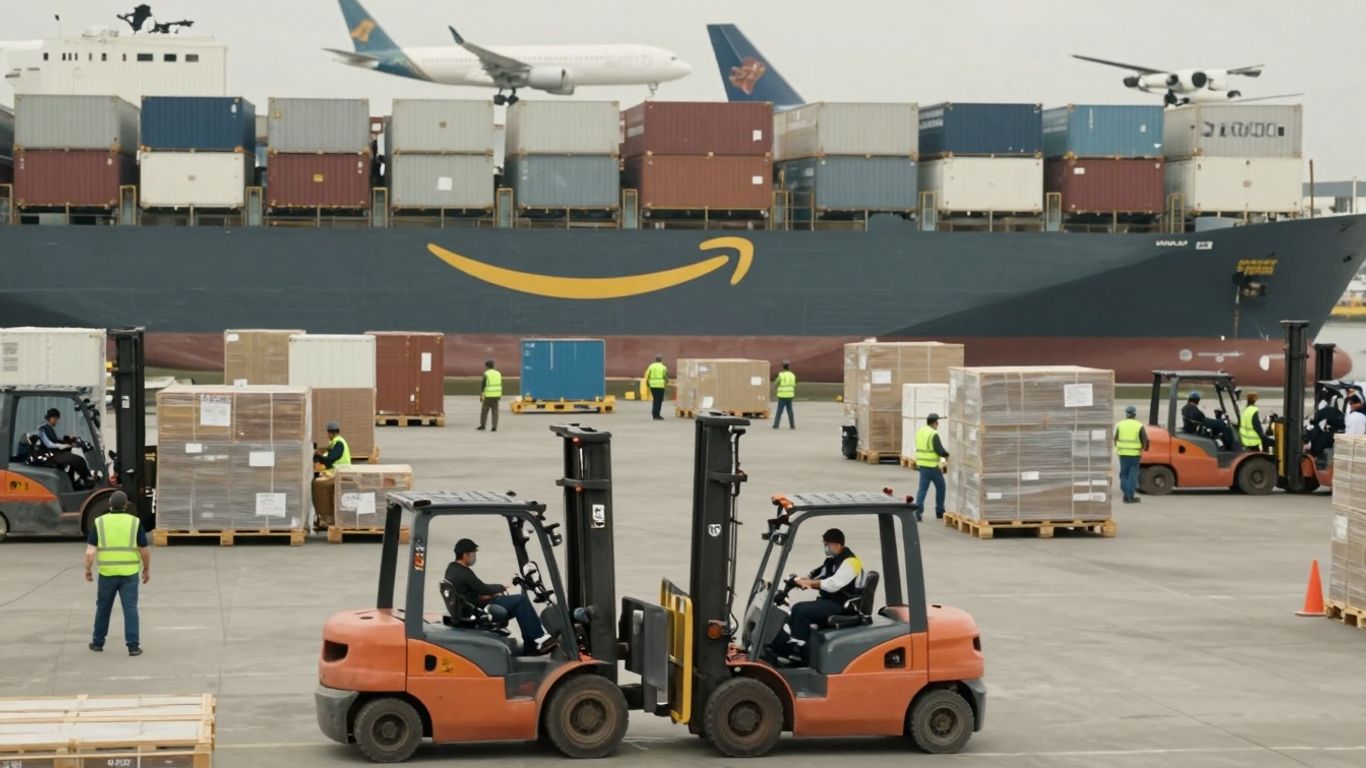
Alright, let’s talk about getting your products from point A to point B, specifically from your manufacturer to an Amazon warehouse. It’s not exactly a walk in the park, but thankfully, you’ve got options. Think of it like choosing your adventure: do you want speed, budget, or a bit of both? The main players here are air freight, sea freight, and express couriers. Each has its own vibe and works best for different situations.
Air Freight: Speed When It Counts
If you’re in a hurry, air freight is your go-to. It’s the fastest way to get your goods across the globe, usually taking about 5 to 10 days. This is great for high-value items or when you absolutely need to restock quickly, maybe before a big sales event. The downside? It’s usually the most expensive option. You’re paying for that speed, after all.
Sea Freight: The Budget-Friendly Voyage (LCL & FCL)
Sea freight is the workhorse for many Amazon sellers, especially those shipping larger volumes. It’s significantly cheaper than air freight, but it takes longer – think 20 to 35 days. You’ve got two main ways to go with sea freight:
- LCL (Less than Container Load): This is like carpooling for cargo. You share a shipping container with other sellers. It’s perfect if you don’t have enough product to fill an entire container or want to keep your inventory lean. It offers flexibility for smaller, regular shipments.
- FCL (Full Container Load): This is when your shipment gets its own dedicated container. It’s generally more cost-effective per unit if you have enough product to fill it. Plus, it often means faster processing at the port since you’re not waiting for other people’s goods to be sorted.
Express Couriers: For Those Urgent Little Packages
Sometimes, you just have a few urgent items that need to get to Amazon, and they’re not big enough for a full pallet. That’s where express couriers like DHL, UPS, or FedEx come in. They’re faster than sea freight, usually taking 3 to 7 days, but they’re also more expensive, often the priciest option per kilogram. They’re best suited for small, time-sensitive packages where the cost is justified by the speed and convenience.
Here’s a quick look at how they stack up:
| Shipping Method | Typical Transit Time | Cost (Estimate per kg) | Best For |
|---|---|---|---|
| Air Freight | 5–10 days | $5 – $8 | Urgent restocks, high-value, light items |
| Sea Freight (LCL) | 25–35 days | $1.5 – $2.5 | Medium volume, budget-conscious sellers |
| Sea Freight (FCL) | 20–30 days | Lower per unit | Large shipments filling a container |
| Express (DHL/UPS) | 3–7 days | $8 – $12 | Small, time-sensitive packages (< 50 kg) |
Choosing the right shipping method is a balancing act. You’ll need to weigh the cost against how quickly you need your products at Amazon’s fulfillment centers. Don’t forget to factor in potential customs duties and taxes, especially if you’re not using a Delivered Duty Paid (DDP) service.
Ultimately, the best choice depends on your specific needs – your budget, the size of your shipment, and how quickly you need it to arrive. It’s often a good idea to work with a freight forwarder who can help you figure out the most sensible option for your situation.
The Freight Forwarder Advantage: Your Logistics Lifeline
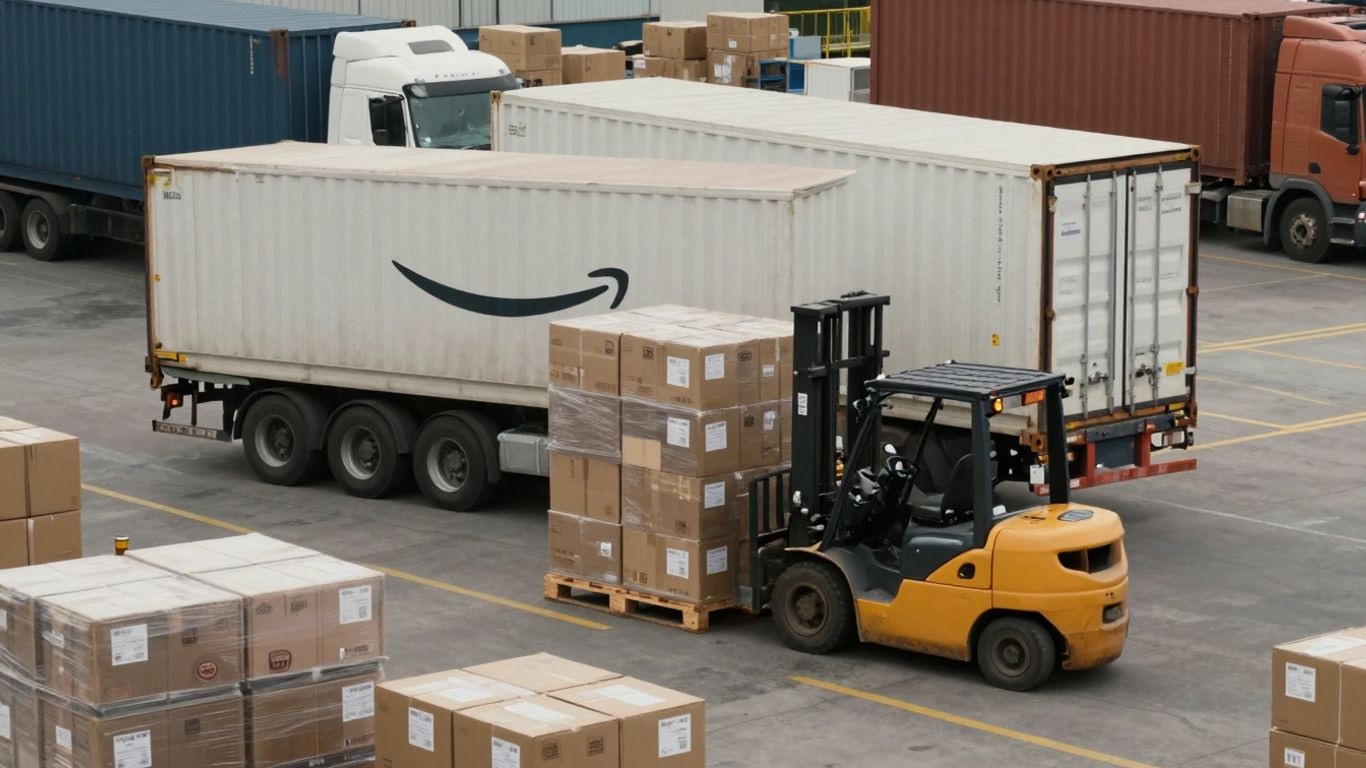
Look, getting your products from the factory floor to an Amazon warehouse can feel like trying to solve a Rubik’s Cube blindfolded. It’s complicated, and frankly, most of us didn’t start an e-commerce business to become international shipping experts. That’s where a freight forwarder swoops in, like a superhero in a high-vis vest.
Think of them as your personal logistics department, but without the office space and the endless meetings. They’re the folks who know the ins and outs of moving goods across borders, dealing with customs agents who seem to speak a different language, and booking space on ships or planes before you even knew you needed it. They handle the nitty-gritty so you can focus on, you know, selling stuff.
What Makes a Freight Forwarder Truly Amazon-Savvy?
Not all freight forwarders are created equal, especially when it comes to Amazon. An Amazon-savvy forwarder understands the specific requirements of FBA shipments. This means they know about:
- Amazon’s Labeling Demands: They know what kind of labels go where, and that Amazon is pretty picky about it.
- FBA Shipment Types: Whether it’s a small parcel delivery (SPD), less-than-truckload (LTL), or a full container load (FCL), they know which one fits your needs and Amazon’s rules.
- Delivery Appointments: Getting your goods into an Amazon fulfillment center often requires a scheduled appointment. A good forwarder handles this booking process.
- Documentation: They’re on top of the commercial invoice, packing list, bill of lading, and any other paperwork that customs or Amazon might demand. Mess this up, and your shipment could be stuck in limbo.
A freight forwarder acts as your intermediary, coordinating with carriers, customs brokers, and Amazon itself. They essentially manage the entire journey of your goods, from the moment they leave your supplier until they arrive at the designated Amazon fulfillment center. This specialized knowledge is what separates a general logistics company from one that truly understands the Amazon ecosystem.
Key Questions to Ask Your Potential Partner
When you’re vetting freight forwarders, don’t be shy. Ask them these questions:
- What is your experience specifically with Amazon FBA shipments? Can you provide references?
- How do you handle customs clearance at the destination country? What are your typical fees for this?
- What are your communication protocols? How often will I receive updates on my shipment?
- Do you offer warehousing or consolidation services if needed?
- What are your payment terms and typical transit times for my specific shipping lane?
Red Flags: Avoiding Shipping Dock Disasters
Keep an eye out for these warning signs. They might mean a freight forwarder isn’t the right fit for your Amazon business:
- Lack of Amazon FBA Specifics: If they talk generally about shipping but can’t detail their FBA process, run.
- Unclear Pricing: If their quotes are vague or seem too good to be true, they probably are. Hidden fees are a common headache.
- Poor Communication: Slow responses or a general lack of transparency are bad signs.
- No Insurance Options: They should at least be able to guide you on cargo insurance.
- Reluctance to Provide Details: If they can’t explain the documentation process or customs procedures clearly, it’s a problem.
Conquering Customs and Final Delivery
So, your goods have made it across the ocean or through the air, and they’re almost at the Amazon warehouse. But hold on, there’s a bit more paperwork and a final leg of the journey to sort out. Think of customs as the bouncer at the club – you need the right credentials to get in. And that final delivery? It’s like the red carpet walk to the fulfillment center.
Taming the Customs Beast: Documentation and Clearance
This is where things can get a little hairy if you’re not prepared. International shipping means dealing with customs in the destination country. You’ll need a solid set of documents. Your freight forwarder is usually your best friend here, acting as your guide through this bureaucratic maze. They’ll help ensure you have everything in order, from the commercial invoice and packing list provided by your supplier to any special certificates your product might need. Getting this wrong can lead to delays, fines, or even your shipment being sent back.
Here’s a peek at what you might need:
- Commercial Invoice: Details the value, quantity, and type of goods. Your supplier usually provides this.
- Packing List: Lists how your goods are packed – number of boxes, weight, dimensions.
- Bill of Lading (BOL): This is essentially a contract between you and the carrier. Your freight forwarder will issue this.
- Import/Export Licenses: Depending on your product and origin country, these might be necessary. Your forwarder can help secure these.
- Special Certificates: For certain items like children’s products or food, you’ll need specific approvals.
Dealing with customs can feel like trying to assemble IKEA furniture without the instructions. It’s complex, and one wrong move can cause a cascade of problems. Having a good freight forwarder who knows the ins and outs is like having a secret cheat code.
The Final Stretch: Delivery to the Amazon Fulfillment Center
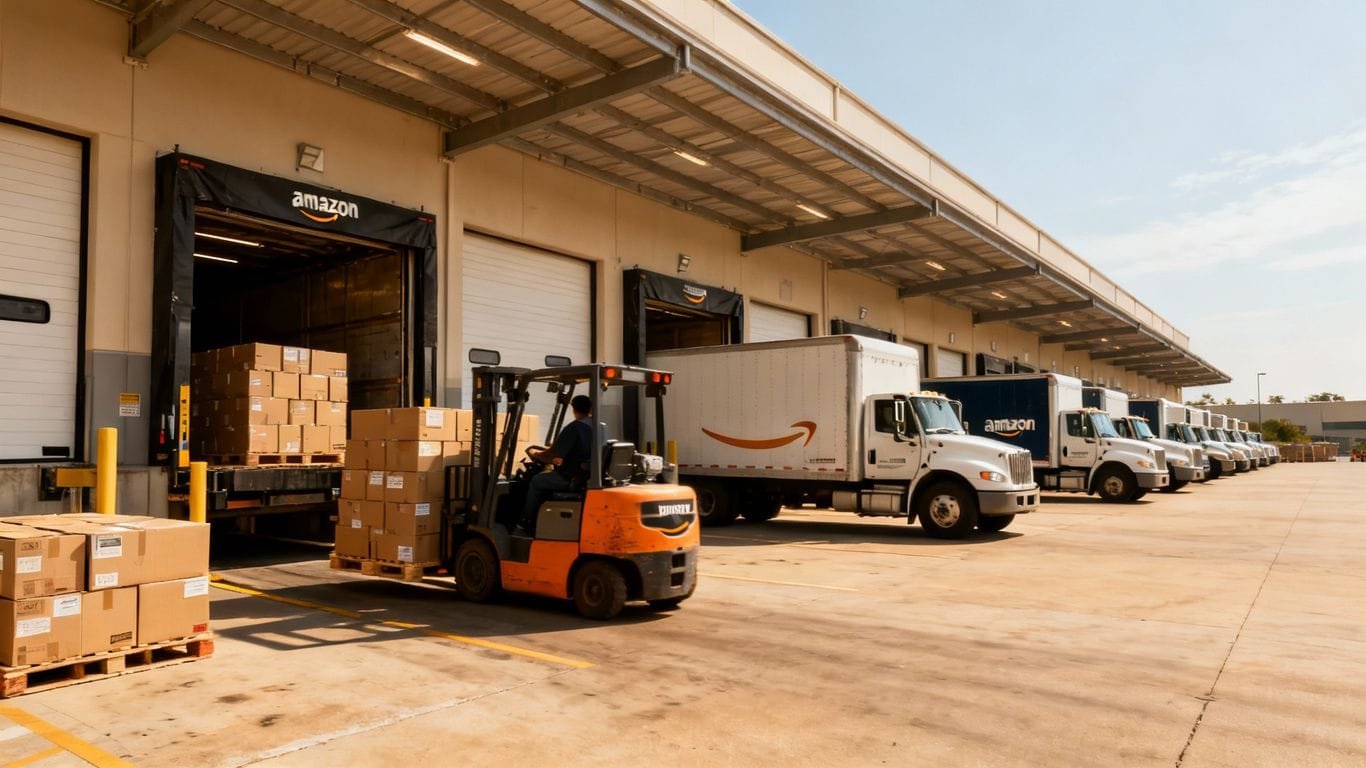
Once customs gives your shipment the thumbs-up, it’s time for the final delivery to the Amazon fulfillment center. This isn’t just a case of dropping off a package. Amazon has strict appointment systems for deliveries, especially for Less than Truckload (LTL) or Full Container Load (FCL) shipments. Your freight forwarder will typically handle scheduling this delivery appointment. They’ll coordinate with Amazon’s receiving schedule to avoid any issues at the dock. You’ll need to provide the correct Amazon shipping plan details, including the warehouse address and any specific instructions Amazon provides. For LTL shipments, you’ll need to provide the PRO number (tracking ID) to Amazon once it’s shipped.
Understanding DDP: Knowing Your Total Landed Cost
When you’re working with a freight forwarder, you’ll often hear about Delivery Duty Paid (DDP). This shipping term means the seller (that’s you!) is responsible for all costs and risks associated with getting the goods to the buyer’s destination. This includes not just the shipping and freight charges, but also customs duties, taxes, and any other fees incurred until the goods arrive at the specified destination, like the Amazon fulfillment center. It’s a great way to have a clear picture of your total landed cost before anything even leaves the factory. It simplifies things by consolidating all the expenses, so you’re not surprised by unexpected charges later on. Make sure you and your freight forwarder are clear on what DDP entails for your specific shipment. This helps in accurate pricing your products for profitability.
Troubleshooting Common Amazon Shipping Dock Hiccups
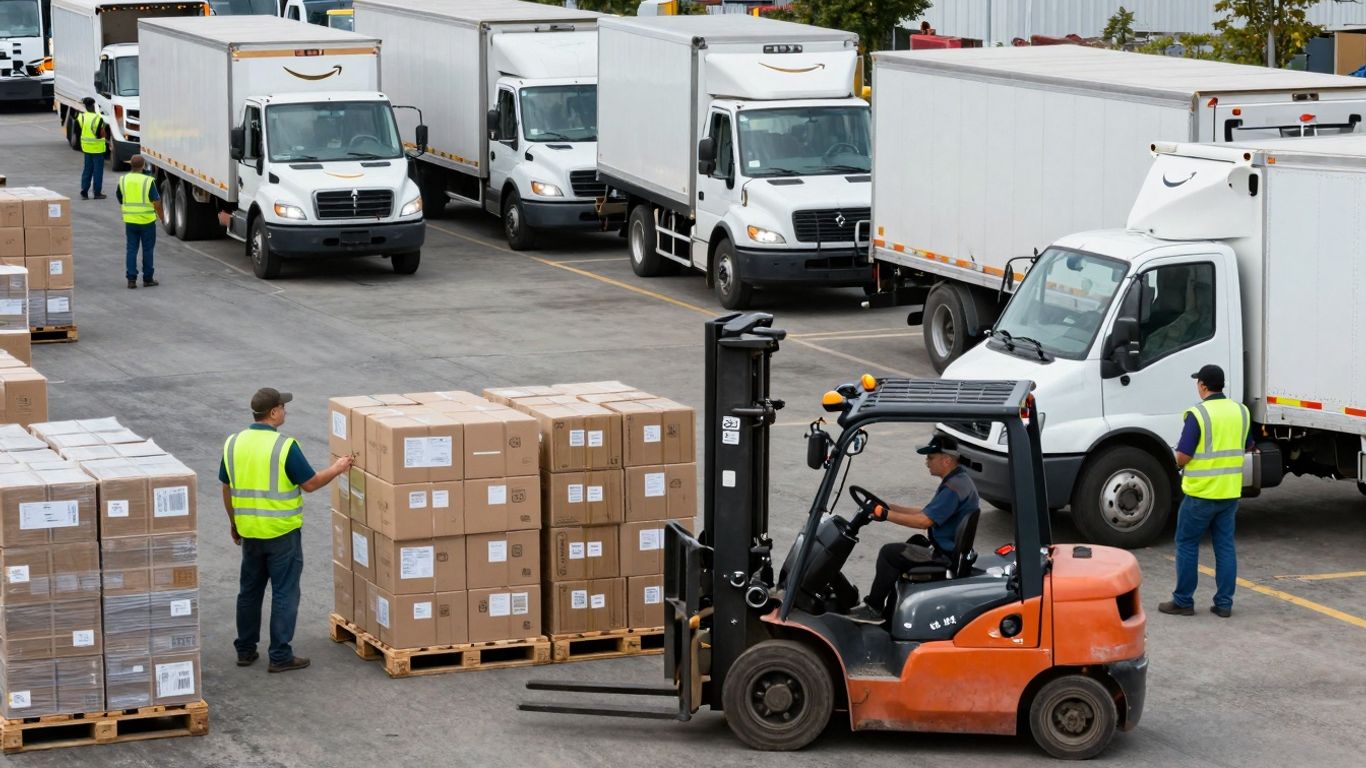
So, you’ve done everything right, or so you thought. Your products are prepped, your labels are stuck on perfectly, and your shipment is on its way to the Amazon fulfillment center. Then, bam! Something goes sideways. It happens. Even with the best planning, the shipping dock can be a bit of a wild west sometimes. Let’s talk about the bumps you might hit and how to deal with them.
When Shipments Go Sideways: Common Pitfalls
Sometimes, despite your best efforts, things just don’t go according to plan. It’s like trying to assemble IKEA furniture with missing instructions – frustrating, to say the least. Here are a few common ways shipments can hit a snag:
- Incorrect Documentation: This is a big one. Missing or inaccurate paperwork can halt your shipment dead in its tracks at customs or the fulfillment center. Think of it as forgetting your passport at the airport.
- Labeling Errors: Amazon is super picky about labels. If your FNSKU or shipping labels are smudged, misprinted, or just plain wrong, Amazon might reject the whole box. It’s not personal; it’s just their system.
- Product Not Ready: Did you forget to put items in poly bags when required? Are your products too heavy or too big for Amazon’s limits? These little details matter, and overlooking them can cause headaches.
- Shipping Plan Mismatches: What you tell Seller Central your shipment contains needs to match what’s actually in the boxes. If there’s a discrepancy, Amazon might flag it, leading to delays or even rejection.
The key to avoiding these issues is meticulous attention to detail at every stage. Double-checking everything before it leaves your hands can save you a world of trouble down the line. It’s better to spend an extra hour confirming details than days dealing with a rejected shipment.
The Perils of Container Delays and Demurrage
If you’re shipping full container loads (FCL), you’re playing a different game, and delays can get expensive. Amazon fulfillment centers are busy places, and sometimes they just can’t unload your container the moment it arrives. This is where demurrage and detention fees come into play.
- Demurrage: This is the fee charged by the shipping line for keeping the container at the port or terminal beyond the allotted free time. Think of it as a parking ticket for your container.
- Detention: This is a fee charged by the shipping line for keeping their container beyond the free time after it has been released from the port and is at your warehouse or the carrier’s yard.
- Driver Wait Time: If the Amazon facility takes too long to unload the container, the truck driver might have to wait. You could be charged extra for this waiting time, often called ‘detention’ by the trucking company.
These fees can add up fast, turning a budget-friendly sea freight shipment into a costly mistake. Scheduling your Amazon appointment well in advance and working with a freight forwarder who understands Amazon’s receiving windows is super important here.
When Amazon Says ‘No’: Shipment Rejection Realities
It’s the moment every seller dreads: your shipment arrives at the Amazon fulfillment center, only to be told, “Nope, not today.” Amazon has the right to refuse shipments for various reasons, and it’s usually because they don’t meet Amazon’s strict inbound requirements. Here’s what might happen:
- Rejection at the Dock: The most common scenario. The shipment is turned away because of labeling issues, improper packaging, or a mismatch with the shipping plan. You’ll have to arrange for the carrier to pick it up and take it back.
- Unloading and Return: In some cases, Amazon might allow the container to be unloaded, but then you’ll have to figure out how to repackage and reship the items correctly, often at your own expense.
- Storage Fees and Disposal: If a shipment is repeatedly rejected or deemed non-compliant, Amazon might charge you storage fees or even dispose of your inventory. Ouch.
Dealing with a rejected shipment means you’ll need to coordinate with your carrier to retrieve the goods, identify the exact reason for rejection (Amazon usually provides a reason code), fix the problem, and then reschedule the delivery. It’s a time-consuming and often costly process, so doing it right the first time is always the best strategy.
Dealing with issues at Amazon’s shipping docks can be a real headache. From misplaced packages to delays, these common problems can slow down your business. Don’t let shipping dock troubles keep you from success. Visit our website to learn how we can help you navigate these challenges smoothly.
Wrapping It Up: Your Shipping Dock Adventure Awaits
So, there you have it. Getting your products from point A to point Amazon fulfillment center can feel like a puzzle, but it’s definitely solvable. We’ve covered the basics, from understanding the whole process to picking the right shipping method and, importantly, finding a freight forwarder who actually knows their stuff. Think of them as your logistics fairy godparent, making sure your boxes don’t get lost in the ether. It might seem like a lot, but with a little planning and the right help, you’ll be sending inventory like a pro. Now go forth and ship – just try not to end up with a mountain of bubble wrap in your living room.
Frequently Asked Questions
What exactly is a freight forwarder and why do I need one for Amazon?
Think of a freight forwarder as your shipping helper. They’re experts who handle all the tricky parts of getting your products from where they’re made to Amazon’s warehouses. This includes figuring out the best way to ship (like by boat or plane), dealing with customs paperwork, and making sure everything arrives on time and follows Amazon’s rules. It saves you a lot of stress and guesswork!
What’s the difference between shipping directly to Amazon FBA and shipping it to myself first?
Shipping directly means your supplier sends your products straight to Amazon. Shipping to yourself first means you get the products, check them over, and then send them to Amazon. Doing it yourself lets you inspect the quality and make sure everything is packed just right for Amazon. Once you trust your supplier, shipping directly can be faster.
What are the main ways to ship my products to Amazon, and when should I use them?
You have a few main choices! Sea freight is usually the cheapest but takes the longest (think weeks). Air freight is much faster but costs more, good for urgent needs. Express couriers are best for small, super-urgent packages. The best choice depends on how much stuff you have, how quickly you need it, and how much you want to spend.
What does ‘DDP’ mean when talking about shipping, and why is it important?
DDP stands for ‘Delivered Duty Paid.’ When you get a DDP quote, it means the shipping company handles pretty much everything, including all the taxes and fees, until your products are delivered. Knowing this upfront helps you understand the total cost of getting your items to Amazon, so there are no surprise charges later.
What happens if Amazon rejects my shipment when it arrives?
Sometimes Amazon might reject a shipment if it doesn’t meet their strict rules for packaging, labeling, or delivery appointments. If this happens, your shipment might be sent back or held, which can cause delays and extra costs. This is why it’s super important to follow Amazon’s guidelines carefully or have a freight forwarder who knows them inside and out.
What are ‘demurrage’ and ‘detention’ fees, and how can I avoid them?
Demurrage and detention fees are extra charges you might have to pay if a shipping container is held up longer than allowed at a port or by the trucking company. This can happen if there are delays in unloading or if Amazon isn’t ready to receive your shipment on time. To avoid them, plan your deliveries carefully, communicate with your freight forwarder, and try to ensure Amazon can accept your shipment as soon as it arrives.