Unlock More Sales: Mastering the Art of Virtual Bundles
Thinking about ways to sell more stuff online? You’ve probably heard about virtual bundles. They’re a pretty neat trick that lets you group items together without actually having to, you know, physically pack them. It’s like offering a special deal, but without the extra work of putting things in a box. This article is going to walk you through how to get these virtual bundles set up and selling, so you can hopefully see your sales go up. We’ll cover why they work, how to make them look good, and how to price them just right. Let’s get started.
Key Takeaways
- Virtual bundles let you group existing products into a new offer without physical packaging, simplifying sales and fulfillment.
- To make virtual bundles, pick items that make sense together and create a listing with good pictures and descriptions.
- Pricing your virtual bundles competitively, often with a small discount compared to buying items separately, is key to attracting buyers.
- Keep an eye on how your virtual bundles are selling and don’t be afraid to try different product mixes or prices to improve results.
- Always check the rules for virtual bundles on whatever platform you’re using to avoid any problems and make sure your bundles are eligible.
Understanding The Power Of Virtual Bundles
What Are Virtual Bundles?
Think of virtual bundles as a smart way to group products you already sell, but without actually putting them in a box together. Instead of physically packing items, you’re creating a single listing on an e-commerce platform that features a collection of related products. Customers see them as one package deal, often at a better price than buying each item separately. This means you can combine, say, a camera with a memory card and a case, all under one virtual "bundle" listing. The cool part is that each item stays in its own inventory, making things simpler for you to manage.
Benefits Of Virtual Bundles For Sellers
So, why bother with virtual bundles? For starters, they’re a fantastic way to move more inventory. By grouping items, you can encourage customers to buy more than they initially planned, which naturally boosts your average order value. It’s also a great strategy for increasing the visibility of products that might not be getting as much attention on their own. Plus, you don’t have the hassle of physically packaging items together, saving you time and money on materials and labor. It’s a win-win: customers get a curated selection and a perceived discount, and you get increased sales and better inventory flow.
- Increased Sales Volume: Encourages customers to purchase multiple items at once.
- Higher Average Order Value: Customers tend to spend more when presented with a bundled deal.
- Improved Product Visibility: Helps less popular items get noticed when paired with best-sellers.
- Reduced Packaging Costs: No need for physical bundling, saving on materials and labor.
- Streamlined Inventory Management: Individual items remain in separate stock, simplifying tracking.
Enhancing The Customer Shopping Experience
Customers love a good deal, and virtual bundles deliver just that. They offer a sense of convenience and perceived value. Instead of browsing for multiple related items, customers can find everything they need in one place, presented as a cohesive solution. This simplifies their shopping journey significantly. When done right, a virtual bundle feels like a thoughtful recommendation, showing the customer that you understand their needs and have put together a perfect package for them. It makes the whole buying process feel easier and more satisfying.
Virtual bundles offer a streamlined path for customers to acquire complementary products, presenting them as a single, attractive package. This convenience, coupled with a perceived cost saving, can significantly influence purchasing decisions and improve overall customer satisfaction with the shopping process.
Crafting Compelling Virtual Bundles
Putting together a virtual bundle isn’t just about throwing a few products together and hoping for the best. It takes some thought to make it something customers actually want to buy. You want to create a package that feels like a smart choice for them, not just a way for you to clear out old stock.
Selecting Complementary Products For Bundles
This is where the magic starts. Think about what your customers buy together already. If someone buys a coffee maker, they might also need filters and a bag of coffee beans. Or maybe someone buying a new phone would appreciate a screen protector and a case. The key is to pick items that naturally go together and make sense as a set. Don’t just grab random things from your inventory; look at your sales data. What items are frequently purchased in the same order? Those are your prime candidates.
- Analyze purchase history: See which products are often bought together.
- Consider the customer’s journey: What do they need before, during, or after using a primary product?
- Think about problem-solving: Can the bundle solve a bigger problem or fulfill a more complete need for the customer?
The goal is to create a bundle that offers more convenience or value than buying the items separately. It should feel like a helpful suggestion, not a forced pairing.
Optimizing Your Virtual Bundle Listings
Once you’ve got your products picked, you need to make sure the listing itself is clear and attractive. This means a good title that tells people exactly what they’re getting. Use bullet points to highlight the benefits of the bundle and what’s included. Don’t forget a solid description that explains why this bundle is a great deal.
Here’s a quick look at what makes a listing shine:
| Element | Best Practices |
|---|---|
| Title | Clear, concise, includes main product and benefit (e.g., "Complete Home Office Setup") |
| Bullet Points | Highlight convenience, savings, and what each item does. |
| Description | Elaborate on the value proposition and use cases for the bundle. |
Creating Engaging Visuals For Bundles
People buy with their eyes, right? So, your bundle needs a good picture. Instead of just showing individual product shots, try to create an image that shows the bundle as a whole. This could be a lifestyle shot showing the products in use, or a clean graphic that displays all the items together. If you’re not a design whiz, consider hiring someone to create a professional-looking image. A strong visual can make a big difference in grabbing attention and convincing someone to click.
- Show all items included in the bundle clearly.
- Use a clean background that doesn’t distract from the products.
- Consider showing the bundle in a relevant setting or context.
A great image makes the bundle instantly understandable and appealing.
Strategic Pricing And Promotions For Virtual Bundles

Competitive Pricing Strategies For Bundles
Figuring out the right price for your virtual bundles is a bit of an art. You want to make it look like a really good deal for the customer, but you also need to make sure you’re still making money. Think about the total cost of all the items if someone bought them separately. Then, try to price the bundle a little lower than that total. It doesn’t have to be a huge drop, just enough to make people think, "Hey, that’s a smart buy." Keep an eye on what other sellers are doing with similar bundles. If your price is way off, customers might just skip it. It’s a balancing act, for sure.
Leveraging Discounts And Promotions
Discounts are your best friend when it comes to virtual bundles. You can set up special offers to make your bundles even more attractive. Think about things like:
- Percentage Off: Offer a straight discount, like 10% or 15% off the total bundle price.
- Dollar Amount Off: A fixed amount off can also be appealing, especially for higher-priced bundles.
- Limited-Time Deals: Create a sense of urgency by making the discount available only for a short period. This can really push people to buy now.
- Coupons: Use coupon codes that customers can apply at checkout for an extra saving.
These little incentives can make a big difference in convincing someone to click "add to cart."
Seasonal And Limited-Time Bundle Offers
Bundles aren’t just for everyday sales; they can be super effective when tied to specific times of the year or special events. Imagine a "Back to School" bundle with notebooks, pens, and a backpack, or a "Holiday Baking" bundle with cookie cutters, sprinkles, and a recipe book. These themed offers tap into what people are already looking for. You can also run "flash sale" bundles for a weekend or a week to create excitement and clear out inventory. The key is to make the offer feel timely and relevant to what customers might need or want right now.
When you’re thinking about pricing and promotions for your bundles, remember that it’s not a set-it-and-forget-it kind of thing. You’ll need to keep an eye on how things are selling and be ready to make changes. What works one month might not work the next, so staying flexible is important. Don’t be afraid to try different approaches to see what gets the best response from your customers.
Maximizing Sales With Virtual Bundles
So, you’ve put together some great virtual bundles. Now, how do you actually get people to buy them and, more importantly, buy more because of them? It’s not just about slapping products together; it’s about smart strategy.
Boosting Average Order Value With Bundles
This is a big one. Virtual bundles are fantastic for nudging customers to spend a bit more than they might have initially planned. Instead of just grabbing one item, they see a curated set that offers a bit more bang for their buck. Think about it: if someone was going to buy a coffee maker, and you offer a bundle with a bag of premium beans and a nice mug for just a little extra, they’re probably going to go for the bundle. It feels like a good deal, and you’ve just increased the sale amount without them even thinking twice.
- Encourage Add-ons: Bundles naturally make customers feel like they’re getting a complete solution, making them more open to adding more items to their cart.
- Perceived Value: Customers often see bundles as a smarter purchase, getting more for their money compared to buying items individually.
- Reduced Decision Fatigue: For some shoppers, a well-put-together bundle simplifies their decision-making process, leading to a quicker purchase.
Increasing Product Visibility Through Bundling
When you create a virtual bundle, you’re essentially giving a spotlight to all the products within it. Even items that might not be top sellers on their own can get a boost when they’re part of a popular bundle. This is super helpful for moving inventory that might be sitting around. Plus, when customers search for one item in the bundle, the whole bundle can show up, exposing them to your other products too. It’s like a multi-product marketing campaign all rolled into one.
A virtual bundle’s listing appears on the detail page of its main product. This means that even if a customer is only interested in one item, they’ll see the other bundled items, potentially sparking interest in products they hadn’t considered before. It’s a clever way to introduce your full product range.
Driving Sales With Persuasive Bundle Strategies
Making your bundles appealing is key. This involves more than just picking complementary items. You need to present them in a way that screams ‘great deal’ and ‘must-have’.
- Highlight Savings: Clearly show customers how much they’re saving compared to buying each item separately. A percentage off or a fixed dollar amount saved can be very persuasive.
- Tell a Story: Explain why these items work well together. Is it a starter kit? A complete solution for a specific task? A themed collection? Give them a reason to buy the whole package.
- Limited-Time Offers: Create a sense of urgency. Seasonal bundles or special promotions for a short period can encourage immediate purchases. People don’t want to miss out on a good deal.
| Bundle Type | Example Products | Potential Benefit |
|---|---|---|
| Starter Kit | Basic tool + essential accessory | Attracts new customers, introduces core products |
| Complete Solution | Main item + complementary items + consumables | Increases AOV, provides convenience |
| Themed Collection | Products for a specific holiday or activity | Drives seasonal sales, creates excitement |
Monitoring And Optimizing Virtual Bundle Performance

So, you’ve put together some killer virtual bundles. That’s awesome! But here’s the thing: just setting them up isn’t the end of the road. You’ve got to keep an eye on how they’re doing and tweak things here and there. It’s like tending a garden; you plant the seeds, but then you water, weed, and watch it grow.
Tracking Key Performance Metrics
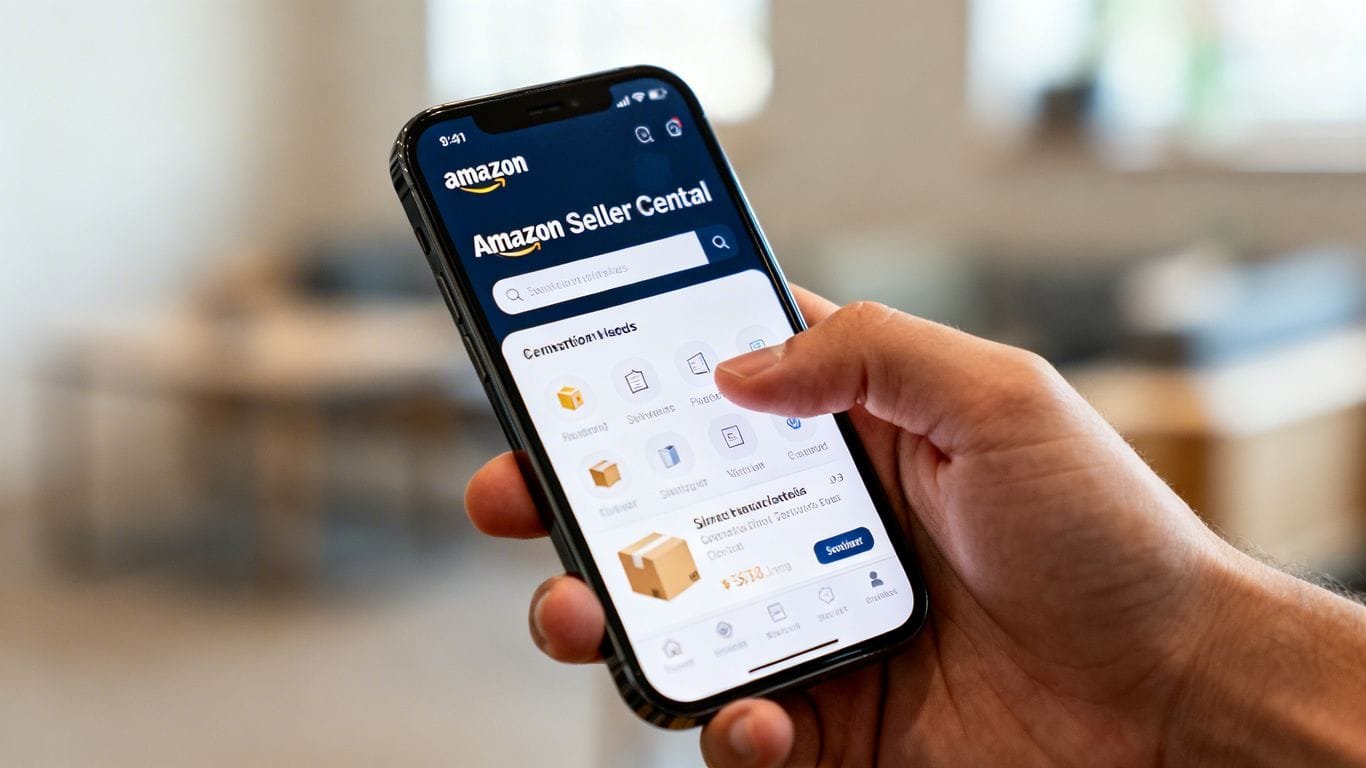
First off, you need to know what’s working and what’s not. This means looking at the numbers. You can’t just guess; you need data. Amazon provides reports that can help you see how your bundles are performing. It’s important to check these regularly.
- Sales Volume: How many bundles are actually selling?
- Conversion Rate: What percentage of people who see your bundle actually buy it?
- Average Order Value (AOV): Are your bundles pushing customers to spend more than they would on a single item?
- Return Rate: Are customers happy with the bundle, or are they sending parts of it back?
Keeping a close watch on these numbers helps you understand the real-world impact of your bundling strategy. It’s not just about making sales; it’s about making smart sales.
Testing Different Product Combinations
Sometimes, products that seem like a perfect match on paper just don’t fly off the virtual shelves together. That’s okay! The beauty of virtual bundles is that you can easily swap things out. Don’t be afraid to experiment. Try pairing different items and see what clicks with your customers. You might be surprised by which combinations become bestsellers. For instance, maybe that popular gadget sells even better when bundled with a related accessory that wasn’t moving much on its own. You can find these insights in your Seller Central reports.
Adapting Pricing And Promotions Based On Data
Once you’ve got your performance metrics and you’re testing new combinations, you’ll also want to play around with pricing and any special offers. If a bundle isn’t selling, maybe the price is a bit too high, or perhaps a small discount could make it irresistible. On the flip side, if a bundle is flying off the shelves, you might be able to adjust the price slightly upwards without hurting sales, or maybe you can run a limited-time promotion to drive even more volume. It’s all about finding that sweet spot where customers feel they’re getting a great deal and you’re making a healthy profit.
Ensuring Compliance And Best Practices
So, you’ve figured out how to put together some killer virtual bundles. That’s awesome! But before you go live with your amazing new offers, we need to talk about the rules of the road. Just like anything in online selling, there are guidelines to follow. Sticking to these isn’t just about avoiding trouble; it’s about making sure your bundles actually work well and don’t get flagged.
Adhering To Platform Policies
Every online marketplace, whether it’s Amazon, Etsy, or wherever you’re selling, has its own set of rules for how products can be listed and sold. For virtual bundles, this usually means a few key things:
- Complementary Items: The products in your bundle need to make sense together. You can’t just throw random things into a package and call it a bundle. Think about what a customer would actually want to buy alongside the main item. A phone charger with a phone case? Makes sense. A book about gardening with a car tire? Probably not.
- Single Product Listing: Your bundle has to be treated as one single item. Customers buy the whole bundle, not just one piece of it. This means it needs its own unique identifier, like a UPC or GTIN, that’s separate from the individual products.
- No Duplicate Bundles: You can’t list the same bundle multiple times. Keep it clean and organized.
Understanding Eligibility Requirements
Not every product or seller is automatically eligible to create virtual bundles. There are often requirements you need to meet first. For example, on some platforms, you might need to be enrolled in specific brand programs or have a certain selling history. It’s worth checking the specifics for the platform you’re using.
- Brand Registry: Often, you’ll need to register your brand. This helps protect your intellectual property and gives you access to more tools.
- Selling Plan: Some platforms require a specific type of selling account, like a professional plan, to create bundles.
- Product Status: The individual products within your bundle usually need to be active and in good standing on the platform.
Seeking Expert Guidance For Virtual Bundles
Sometimes, the rules can feel a bit confusing, and that’s totally normal. If you’re unsure about anything, don’t hesitate to look for help. This could mean:
- Platform Help Pages: Most marketplaces have detailed guides and FAQs about their bundling policies.
- Seller Forums: Other sellers often share their experiences and tips in online forums.
- Professional Services: If you’re dealing with a lot of products or complex rules, hiring a consultant or agency that specializes in e-commerce might be a good idea. They can help you set things up correctly from the start.
Following the rules isn’t just about avoiding penalties; it’s about building trust with your customers and creating a sustainable business. When you play by the book, your bundles are more likely to be seen, bought, and enjoyed, leading to happier customers and more sales in the long run.
Keep Bundling, Keep Growing
So, there you have it. Virtual bundles aren’t some complicated trick; they’re a pretty straightforward way to get customers to buy more and feel good about it. We’ve talked about how to put them together, price them right, and make sure people actually see them. It’s not rocket science, but it does take a little thought. Don’t be afraid to try different combinations and see what sticks. The main thing is to keep an eye on what’s working and what’s not, and then adjust. Stick with it, and you’ll likely see your sales climb and your customers happier. It’s a win-win, really.
Frequently Asked Questions
What exactly is a virtual bundle?
Think of a virtual bundle like a special package deal you create online. Instead of physically putting items together in a box, you group a few of your existing products on one page. Customers see them as a set, often with a nice discount, making it super easy for them to buy related things all at once.
Why should I bother with virtual bundles?
Virtual bundles are awesome for sellers! They help you sell more items at once, which means more money in your pocket. Plus, they make your products more visible to shoppers, kind of like giving them a spotlight. It’s a smart way to get customers to buy more without you having to do extra work with packaging.
How do I pick the right products to bundle together?
The best bundles have items that naturally go well with each other. For example, if you sell phone cases, you might bundle one with a screen protector. Think about what your customers might need or want together. It’s all about making shopping easier and offering a complete solution.
How do I make my virtual bundle look appealing?
You need to make your bundle stand out! Use a catchy title that tells people what’s in the bundle. Good pictures are a must – show the whole package or how the items work together. Also, make sure the description clearly explains the value and benefits of buying the bundle.
How much should I charge for a virtual bundle?
It’s usually best to price your bundle a little lower than if someone bought each item separately. This makes it a great deal for the customer! You don’t have to give away everything, but offering a discount shows you value their business and encourages them to click ‘buy’.
How do I know if my virtual bundles are actually selling well?
You need to keep an eye on your sales numbers. Most online selling platforms give you reports that show how your bundles are doing. If a bundle isn’t selling as much as you hoped, don’t be afraid to change the products in it, adjust the price, or try a different promotion to see what works best.