Amazon Inventory Management: How to Avoid Stockouts Without Over-Ordering
Keeping track of what you have and what you need to sell on Amazon can feel like a juggling act. You don’t want too much stuff sitting around costing you money, but you really don’t want to run out of popular items when customers are ready to buy. It’s a common problem, but with some smart planning and attention to detail, you can get a handle on your Amazon inventory management. This guide will walk you through how to keep your stock levels just right.
Key Takeaways
- Use sales data like how fast items sell and how often you restock to make better inventory decisions. Tools that show you what’s happening right now are super helpful for spotting problems early.
- Order new stock just in time to avoid holding onto too much. Figure out the exact point when you need to reorder and always keep a little extra stock on hand for unexpected bumps.
- Build good relationships with your suppliers and have more than one if possible. Knowing their production schedules and communicating clearly helps prevent delays.
- Watch for changes in the market and plan ahead for busy seasons. Protecting your best-selling products is key to keeping sales steady.
- If you end up with too much stock, try sales or other options to move it. Look back at why you over-ordered in the first place so you don’t make the same mistake again.
Mastering Amazon Inventory Management Through Data
Look, nobody likes running out of a product, right? It’s a missed sale, and maybe even a lost customer who goes somewhere else. On the flip side, having way too much stuff sitting around isn’t great either – it ties up your cash and costs you money in storage fees. The sweet spot is somewhere in the middle, and getting there means paying attention to the numbers.
Leveraging Sales Velocity and Turnover Metrics
Think of sales velocity as how fast a product is selling. It’s not just about how many units you sell, but how quickly they move. A product with high sales velocity is a hot item. Tracking this helps you understand which products are popular right now. Turnover rate is similar; it tells you how many times you’ve sold and replaced your entire inventory over a period. A healthy turnover means your inventory isn’t sitting idle.
- High Sales Velocity: Indicates strong customer demand and efficient stock movement.
- Low Turnover Rate: Might suggest overstocking or slow-moving products.
- Consistent Velocity: Helps in predicting future sales more reliably.
Watching these numbers closely gives you a real-time pulse on your business. It’s like looking at your car’s dashboard – you see the speed, the fuel, and if something’s not right, you get a warning light.
Utilizing Real-Time Analytics for Product Performance
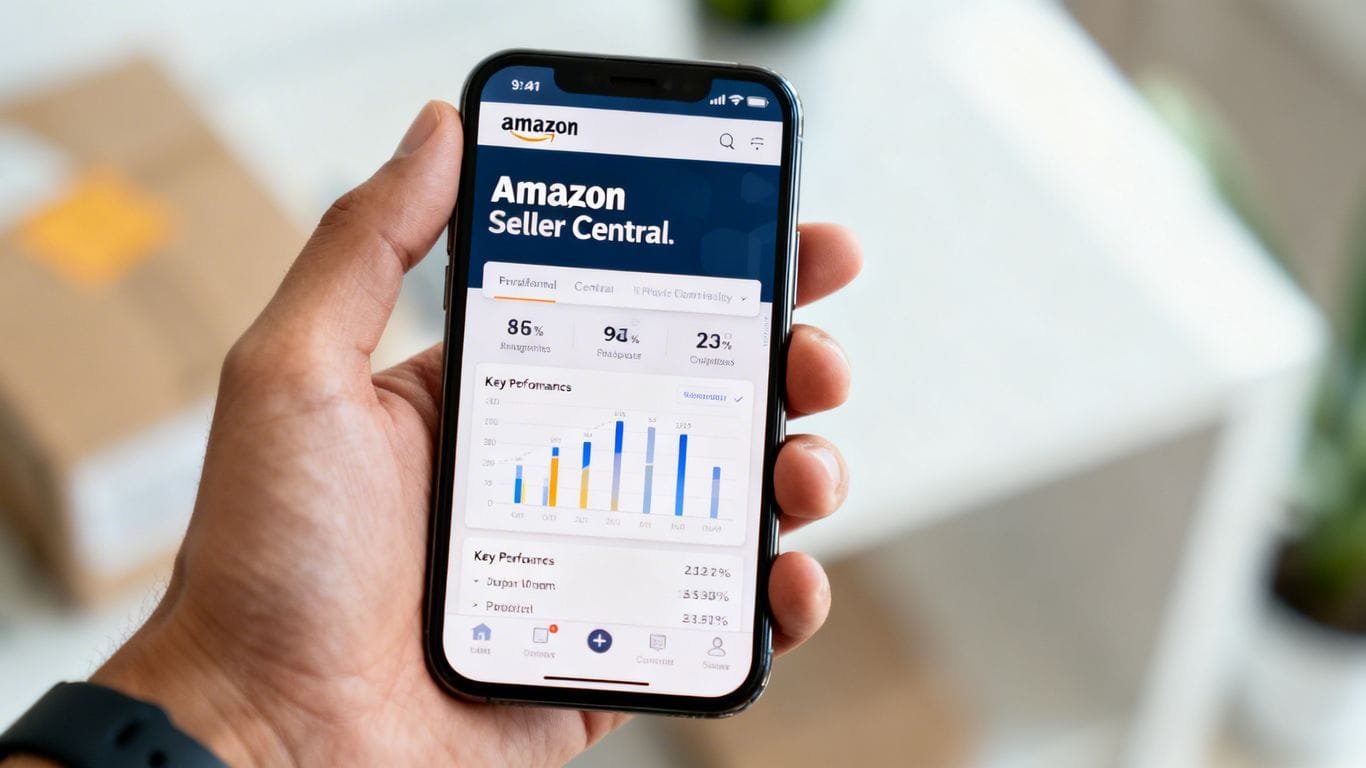
Amazon gives you tools, and honestly, you should use them. The Inventory Performance Index (IPI) score is basically Amazon’s way of grading how well you manage your stock. A good score means you’re doing things right, and Amazon might even give you more storage space. A bad score? That can mean limits on how much you can send in, which is a real problem if you’re trying to grow.
Amazon’s Seller Central has reports that show you things like:
- Sell-through rates: How quickly you sell what you have.
- Inventory age: How long products have been sitting.
- Restock recommendations: What Amazon thinks you should order.
These aren’t just random numbers; they’re direct feedback on your operations. Paying attention to these analytics helps you spot issues before they become big problems. It’s about being proactive, not just reactive.
The goal isn’t just to have inventory; it’s to have the right inventory, at the right time, in the right quantity. Data is your map to finding that balance.
Forecasting Demand with Historical Data and Trends
Past sales are your best crystal ball for future sales. Look at what sold well last year, or even last month. Were there seasonal peaks? Did a promotion suddenly cause a surge? By analyzing this historical data, you can start to build a picture of what customers are likely to want. It’s not about predicting the future perfectly – that’s impossible. It’s about making educated guesses based on what’s already happened. Combine this with an awareness of current market trends, and you get a much clearer idea of what to stock up on and when.
For example, if you sell winter coats, you know December will likely be busier than July. But maybe you also noticed a trend last year where a specific style of coat suddenly became popular in late October due to social media. That’s the kind of insight that helps you order smarter, not just more.
Strategic Replenishment for Optimal Stock Levels
Keeping your Amazon shelves stocked without drowning in excess inventory is a balancing act. It’s about having enough product to meet demand, but not so much that you’re paying for storage on items that aren’t moving. This section focuses on how to get that balance right through smart replenishment.
Implementing Just-In-Time Ordering Principles
Just-in-time (JIT) ordering is a strategy where you aim to receive goods only as they are needed in the production process or for sale. For Amazon sellers, this means ordering inventory from your supplier so it arrives at the fulfillment center just as your current stock is running low. The main idea is to cut down on holding costs and reduce the risk of having old or excess stock. It requires a really good understanding of your sales pace and a reliable supply chain. If your supplier can deliver quickly and consistently, JIT can be a game-changer for keeping your cash flow healthy and your storage fees low. It’s not about having zero inventory, but about having the right amount at the right time.
Calculating Precise Reorder Points and Lead Times
Knowing when to reorder is key. You can’t just guess; you need to calculate your reorder point. This is the inventory level at which you need to place a new order. To figure this out, you need to know your average daily sales and your lead time – that’s the time it takes from when you place an order until it arrives at Amazon’s warehouse. A simple formula is: Reorder Point = (Average Daily Sales x Lead Time in Days) + Safety Stock. For example, if you sell 10 units a day and your lead time is 15 days, and you want 5 days of safety stock, your reorder point is (10 x 15) + 50 = 200 units. When your inventory hits 200 units, it’s time to order more. This calculation helps prevent stockouts by giving you a buffer. You can find effective inventory replenishment strategies designed to help U.S. small businesses minimize stockouts.
Maintaining Strategic Safety Stock Reserves
Even with perfect forecasting, things can go wrong. A supplier might have a delay, shipping could take longer than expected, or a sudden surge in demand could hit. That’s where safety stock comes in. It’s extra inventory held to mitigate the risk of stockouts caused by these unexpected issues. For your best-selling products, often called ‘hero’ ASINs, you’ll want a more generous safety stock – maybe 45-60 days of supply instead of the usual 30. This buffer is much cheaper than losing sales and Amazon rank due to a stockout. Think of it as an insurance policy for your most important products.
The cost of holding a little extra inventory is usually far less than the cost of losing sales, customer trust, and Amazon’s search ranking due to a stockout. Prioritizing safety stock for your top performers is a smart move.
Here’s a quick look at how safety stock impacts your reorder point:
| Metric | Calculation Example | Impact on Reorder Point |
|---|---|---|
| Average Daily Sales | 20 units | N/A |
| Lead Time (Days) | 14 days | N/A |
| Safety Stock (Days) | 7 days | Increases reorder point |
| Safety Stock (Units) | 140 units (20 units/day * 7 days) | Adds 140 units to the calculated reorder point |
So, if your basic reorder point (without safety stock) was 280 units (20 units/day * 14 days), adding 140 units for safety stock brings your actual reorder point to 420 units. This means you’ll place a new order when you have 420 units left, giving you a much larger cushion.
Building a Resilient Supply Chain for Amazon Sellers
Your supply chain is the backbone of your Amazon business. If it falters, your inventory levels will too, leading to stockouts and lost sales. Building a robust supply chain means looking beyond just placing orders; it involves cultivating strong relationships with your suppliers and understanding their operations as well as your own.
Cultivating Strong Supplier Relationships
Think of your suppliers not just as vendors, but as partners. A good relationship means open communication. You need to know their production schedules, potential delays, and how order volume affects their timelines. This proactive communication is key to avoiding surprises. For instance, if you know a supplier has a holiday shutdown coming up, you can adjust your order dates accordingly. Similarly, if you can offer them consistent, predictable orders, they might be more willing to prioritize yours or offer better terms. Understanding their business helps you anticipate potential issues before they impact your stock. This is where tools that help manage business operations can be really useful for optimizing your operations.
Diversifying Your Supplier Network
Relying on a single supplier is risky business. What happens if they have a fire, a labor strike, or just can’t keep up with demand? You’re left high and dry. It’s smart to have at least two or three reliable suppliers for your key products. This way, if one supplier runs into trouble, you can shift more of your order to another, keeping your inventory flowing. It might take a bit more effort to manage multiple relationships, but the security it provides is well worth it.
Here’s a quick look at why diversification matters:
- Reduces Risk: Spreads out potential disruptions.
- Improves Negotiation Power: Multiple options give you more say.
- Ensures Continuity: Keeps products available even if one source fails.
- Access to Innovation: Different suppliers might offer unique materials or production methods.
Understanding Supplier Production and Sales Cycles
Just as you track your sales velocity, you need to understand your supplier’s rhythm. When are they busiest? Do they have specific times when production slows down? For example, many overseas manufacturers observe extended holidays like Chinese New Year, which can halt production for weeks. Knowing this allows you to place orders well in advance to compensate for the downtime. It’s a two-way street; they need to understand your peak sales periods too, so they can be prepared to meet your increased demand.
Building a resilient supply chain isn’t just about having backup suppliers; it’s about deeply understanding the entire ecosystem your products move through. This includes everything from raw material sourcing to final delivery, and recognizing how external factors like global shipping issues or economic shifts can ripple through your supply chain.
Keeping these elements in mind will help you build a supply chain that can weather storms and keep your Amazon shelves stocked.
Proactive Strategies to Prevent Stockouts

Running out of stock on Amazon isn’t just a minor inconvenience; it’s a fast track to losing sales, tanking your search rankings, and sending customers straight to your competitors. It’s like leaving the door wide open for others to snatch up your market share. The real cost of a stockout isn’t just the sales you miss today, but the long-term damage to your brand’s visibility and customer loyalty.
Monitoring Market Changes and Potential Disruptions
Things change fast in the online marketplace. You’ve got to keep your eyes peeled for anything that could mess with your inventory flow. Think about it: a sudden shortage of raw materials for your product, unexpected shipping delays from overseas, or even a new competitor popping up with a similar item can all throw a wrench in your plans. Staying ahead means watching the news, following industry trends, and just generally being aware of what’s happening outside your own business. This awareness lets you adjust your ordering before a problem hits your shelves.
Anticipating Seasonal Demand Spikes
Some products naturally sell more at certain times of the year. Holidays, back-to-school season, or even just a change in weather can cause demand to surge. You need to look at your past sales data to see when these spikes happened before. Then, plan your inventory accordingly. It’s about having enough stock to meet that increased demand without ending up with a mountain of unsold goods once the season is over. This requires careful planning and sometimes adjusting your usual ordering schedule to get ahead of the curve.
Protecting High-Performing ASINs
Your best-selling products, the ones that are consistently flying off the virtual shelves, need extra attention. These are your cash cows, and keeping them in stock is paramount. If you’re running ads or promotions, make sure your inventory levels can support the increased interest. Consider setting up a dedicated safety stock for these ASINs. Protecting these high-performing items is one of the most effective ways to maintain your momentum and keep your business healthy. It’s about making sure your most popular items are always available for customers, which in turn helps your Amazon business grow.
Here’s a quick look at what to consider:
- Lead Times: How long does it really take from when you order to when the stock arrives?
- Sales Velocity: How fast are your products selling on average?
- Supplier Reliability: Can your suppliers consistently meet your needs, especially during busy periods?
Being proactive means not just reacting when you’re low on stock, but actively planning to prevent it. This involves understanding your numbers, watching the market, and giving your best products the attention they deserve.
Managing Excess Inventory Before It Becomes Costly
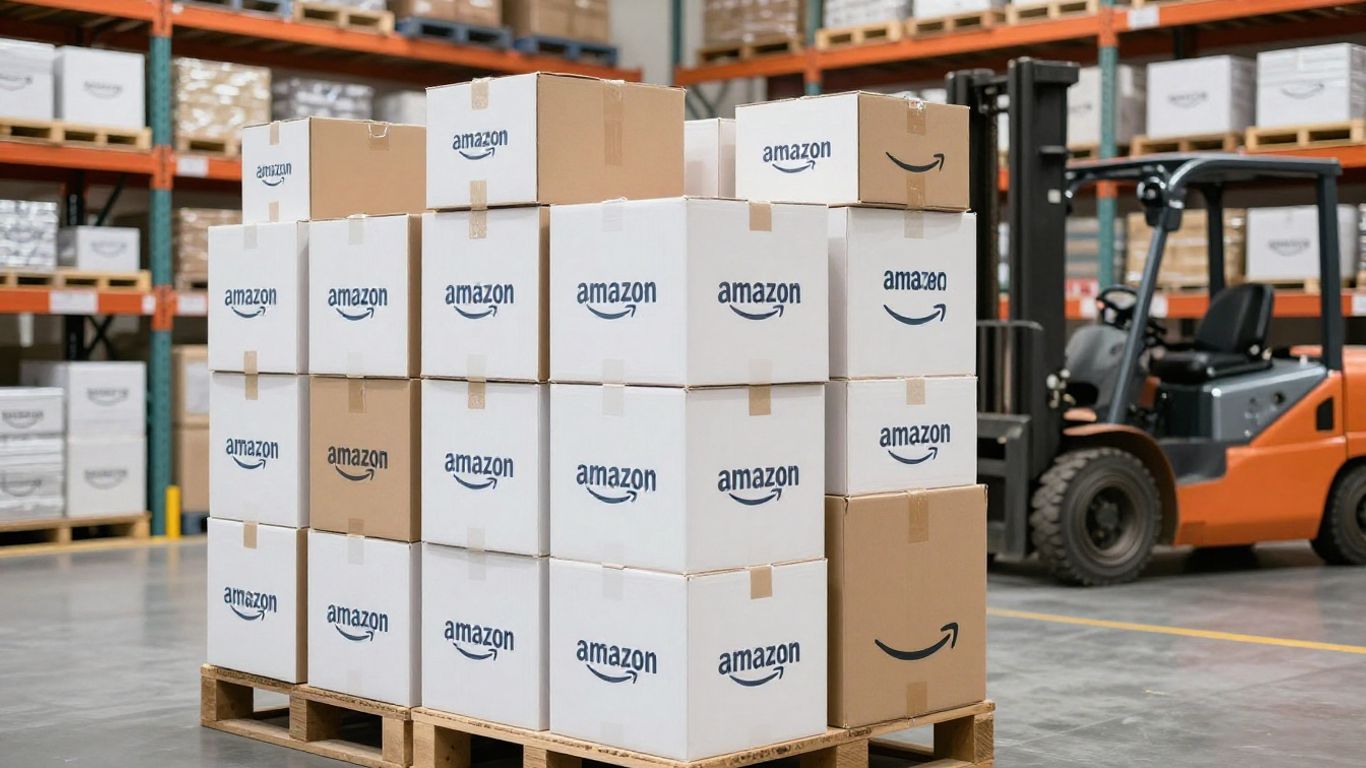
Okay, so you’ve got too much stuff. It happens to the best of us. That pile of products that just isn’t moving is more than just an eyesore; it’s a drain on your business. Excess inventory ties up your cash and eats into profits through storage fees. Think about it: every dollar stuck in slow-moving stock is a dollar you can’t use for marketing, new product development, or just paying the bills. We need to get that stock moving before it becomes a real problem.
Implementing Promotions to Move Slow-Moving Stock
When you see certain items just sitting there, gathering dust, it’s time to get creative. Running targeted promotions is a solid way to clear out that excess inventory. This doesn’t mean slashing prices across the board, which can devalue your brand. Instead, consider limited-time discounts, bundle deals (buy one, get one half off on a related item), or offering a small gift with purchase for those specific ASINs. The goal is to create a sense of urgency and offer a compelling reason for customers to buy now. This frees up warehouse space and, more importantly, converts that stagnant stock back into usable capital. You might not make as much profit per unit as you would at full price, but selling it at a discount is almost always better than paying long-term storage fees or having to liquidate it for pennies on the dollar.
Exploring Liquidation and Donation Options
Sometimes, even with promotions, certain products just won’t budge. When that happens, it’s time to look at other avenues. Liquidation is an option where you sell off the inventory in bulk, often to a third-party liquidator. You’ll likely get a fraction of the original cost, but it’s a way to recoup some of your investment and get the items out of your storage. Another route, especially if the items are still in good condition but simply not selling, is donation. Many charities are happy to accept unsold goods. This not only clears out your inventory but can also provide a tax deduction for your business. It’s a win-win: you get rid of the stock, and you do some good.
Analyzing Past Overstocking Mistakes
So, how did you end up with too much stock in the first place? This is the critical question. Was it an overly optimistic sales forecast? Did you order too much to try and get a better bulk discount? Maybe a supplier pushed a larger quantity than you needed? Understanding the root cause is key to preventing it from happening again. Look at your sales data, your ordering history, and even your supplier agreements. Were there specific events or trends that you missed? By digging into these past errors, you can adjust your ordering processes and forecasting methods for the future. This is how you learn and improve your inventory management skills, making your business more efficient and profitable in the long run.
Preventing overstock situations is always better than dealing with the aftermath. Regularly reviewing your inventory turnover rate and sales velocity for each product can give you early warnings. If a product’s sell-through rate starts to drop significantly, it’s a signal to reduce future orders or start a promotion before it becomes a major issue.
Understanding the True Cost of Inventory Imbalances
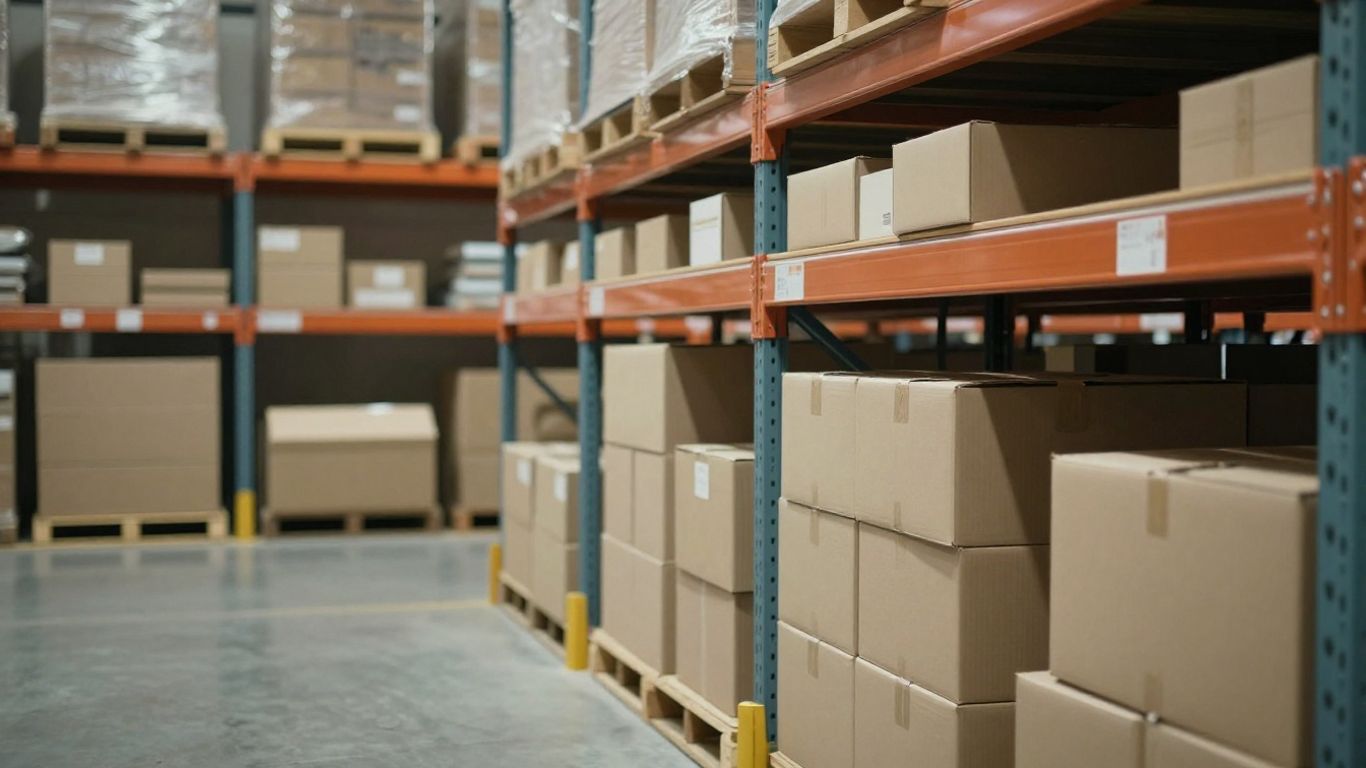
It’s easy to think of inventory as just ‘stuff’ sitting in a warehouse, but the reality is far more complex. When your stock levels are off, whether you have too much or too little, it directly impacts your bottom line in ways you might not immediately see. Getting this balance right is key to a healthy Amazon business.
The Financial Drain of Overstocked Products
Having too much inventory isn’t just about having extra boxes. It means your money is tied up in products that aren’t selling. This capital could be used for marketing, developing new products, or simply covering operational costs. Beyond the initial purchase price, overstocked items incur ongoing expenses. Think about storage fees – Amazon charges for every cubic foot your inventory occupies, and these costs add up quickly, especially for slow-moving items. Then there’s the risk of inventory aging; products that sit too long can become outdated, damaged, or lose their appeal, forcing you to sell them at a steep discount or even write them off entirely. This is why understanding excess inventory on Amazon is so important.
The Long-Term Impact of Stockouts on Market Share
Running out of stock, even for a short period, can have ripple effects that last much longer than the actual stockout. When a customer searches for a product you don’t have, they’ll likely go to a competitor. This means an immediate lost sale, but it can also lead to a permanent loss of that customer. Furthermore, Amazon’s algorithms tend to favor products that are consistently available. If your listing frequently shows as ‘out of stock,’ its search ranking can drop, making it harder for new customers to find you even after you’ve restocked. This erosion of visibility and customer trust can significantly impact your long-term sales potential and market share.
The Importance of Inventory Health for Profitability
Your inventory health is a direct reflection of your business’s operational efficiency and financial stability. Poor inventory management leads to a cascade of problems:
- Increased Holding Costs: Storage fees, insurance, and potential spoilage or obsolescence all eat into your profit margins.
- Reduced Cash Flow: Capital tied up in unsold goods isn’t available for other business needs, potentially leading to cash flow shortages.
- Damaged Customer Trust: Frequent stockouts or delays due to poor inventory tracking lead to unhappy customers and negative reviews.
- Lowered Amazon Performance Metrics: Amazon’s Inventory Performance Index (IPI) score can be negatively affected by excess or stranded inventory, leading to storage limits.
Effectively managing your inventory isn’t just about avoiding problems; it’s about creating a more efficient, profitable, and sustainable business. It requires a proactive approach, constant monitoring, and a willingness to adapt your strategies based on real data.
When inventory is managed well, you can fulfill orders quickly, keep customers happy, and maintain a healthy cash flow. This allows you to invest back into your business and grow more effectively. The goal is to maintain a lean inventory that meets demand without creating financial burdens.
Having too much or too little stock can really hurt your business. It’s like having a closet full of clothes you never wear or not having anything to wear for a special event. We can help you figure out the perfect amount of stuff to keep on hand so you don’t waste money or miss out on sales. Want to learn more about how to get your inventory just right? Visit our website today!
Wrapping It Up: Finding That Inventory Sweet Spot
So, managing your stock on Amazon can feel like a constant juggling act, right? You want enough product to sell but not so much that it’s just sitting around costing you money. It’s a tough balance. The main thing to remember is to let your numbers guide you. Keep an eye on what’s selling, set up alerts for when things get low, and try to get a handle on what you’ll need in the future. Honestly, a lot of sellers find it easier to let services like Amazon’s FBA or other shipping companies handle the heavy lifting of storage and shipping. This frees you up to actually focus on growing your business. Get this balance right, and you’ll be in a great spot. You’ll have the inventory you need to make sales without tying up all your cash. That’s really the secret sauce that makes some Amazon sellers stand out from the crowd.
Frequently Asked Questions
What is the main goal of Amazon inventory management?
The main goal is to have just enough products to sell to customers without having too much stuff sitting around. This means avoiding running out of popular items, which makes customers unhappy, and also not buying so much that you’re paying extra for storage and have money stuck in unsold goods.
How can I know how much of a product to order?
You can look at how fast your products have been selling in the past. Also, consider if there are special times of the year when you sell more, like holidays. Using tools that track sales in real-time helps you see what’s popular right now.
What does ‘Just-In-Time’ ordering mean for Amazon sellers?
It means ordering products right when you need them, instead of keeping a huge stock. This helps save money on storage and reduces the chance of having old, unsold items. It works best when you know exactly how much you’ll sell and have reliable suppliers.
Why is it important to have backup suppliers?
If you only rely on one supplier, and they have a problem (like a factory issue or shipping delay), you could run out of stock. Having a few different suppliers means you can still get products from someone else if one supplier can’t deliver.
What should I do if I have too much inventory?
If you have too many items, try to sell them faster by putting them on sale or offering special deals. If that doesn’t work, you might consider selling them in bulk for a lower price or even donating them to charity, which can sometimes help with taxes.
How do stockouts hurt my Amazon business?
When you run out of a product, you lose sales right away. More importantly, Amazon might lower your product’s spot in search results, making it harder for new customers to find you. Customers might also go to a competitor’s store, and it can take a long time to get your ranking back.