FBA vs FBM: Which Fulfillment Method Makes More Sense in 2026?
Choosing how to get your products to customers on Amazon is a big deal. It’s like picking between sending your mail through the post office or handling all the delivery yourself. You’ve got Fulfillment by Amazon (FBA) and Fulfillment by Merchant (FBM). They both get your stuff to buyers, but they work really differently. We’re going to look at FBA vs FBM to see which one might be the better fit for your business, especially as we look ahead to 2026. It really comes down to what you’re selling, how much you’re selling, and what you can handle yourself.
Key Takeaways
- With FBA, Amazon stores, packs, and ships your products, handling customer service too. FBM means you do all of that yourself.
- FBA usually costs more in fees but gets you that coveted Prime badge and a better shot at the Buy Box. FBM gives you more control over your money and your stock.
- The best choice between FBA and FBM depends on your products, profit margins, how big your business is, and what you can manage operationally. Many sellers find using both, a hybrid approach, works best.
- FBA is often good for small, popular items with decent profit. FBM works better for big items, things with low profit margins, or if you already have your own shipping setup.
- Understanding all the costs involved with both FBA and FBM is super important. It helps you make sure your business stays profitable and can grow.
Understanding Fulfillment by Amazon (FBA)
So, you’re thinking about selling on Amazon and wondering how to get your products to customers. One of the biggest options out there is Fulfillment by Amazon, or FBA. Basically, you send your stuff to Amazon’s giant warehouses, and they take care of pretty much everything else. It’s like outsourcing the whole delivery part of your business to the biggest logistics player around.
How FBA Manages Your Operations
When you use FBA, Amazon steps in after a customer clicks ‘buy’. They’ll find your product in their warehouse, pack it up, and ship it out. This includes handling all the customer service questions related to shipping, and even processing returns. It’s a pretty hands-off approach for you once your inventory is with them. They manage the storage, the picking, the packing, and the shipping. This means you don’t have to worry about running your own warehouse or dealing with shipping carriers every day. This service makes your product listings eligible for the coveted Prime badge, which is a huge deal for visibility and customer trust.
The Cost Structure of FBA
Using FBA isn’t free, of course. Amazon charges for their services. There are fulfillment fees, which depend on the size and weight of your item. Think of it as paying for Amazon to pick, pack, and ship each order. Then there are storage fees. You pay to keep your inventory in their warehouses, and this cost changes depending on how much space your products take up and during which months of the year (it’s usually more expensive during the holiday season). There are also fees if your products sit in the warehouse for too long, called long-term storage fees. You’ll also still pay Amazon’s referral fee on each sale, which is a percentage of the selling price.
Here’s a general idea of the costs involved:
- Fulfillment Fees: Covers picking, packing, and shipping. Varies by product size and weight.
- Monthly Storage Fees: Based on the volume of your inventory in Amazon’s fulfillment centers. Rates differ between peak (Oct-Dec) and non-peak seasons.
- Long-Term Storage Fees: For inventory stored over 365 days.
- Referral Fees: A percentage of the sale price, applied to most product categories.
Benefits of Leveraging Amazon’s Logistics
Why do so many sellers choose FBA? Well, the Prime badge is a big draw. It signals fast, reliable shipping to millions of Amazon customers, and many shoppers filter their searches specifically for Prime-eligible items. This can really boost your sales. Plus, FBA sellers often have a better shot at winning the Buy Box, which is that main ‘Add to Cart’ button on a product page. Amazon’s reputation for good customer service and easy returns also rubs off on your products, building customer confidence. It’s a way to tap into Amazon’s massive logistics network without having to build your own infrastructure from scratch. This can free up a lot of your time to focus on other parts of your business, like finding new products or marketing.
Exploring Fulfillment by Merchant (FBM)
Fulfillment by Merchant, or FBM, puts you in the driver’s seat for handling your Amazon orders. Instead of sending your products to Amazon’s warehouses, you keep them on hand. This means you’re responsible for everything that happens after a customer clicks ‘buy’ – from storing the items to packing them up and shipping them out the door. It’s a hands-on approach that gives you a lot of control.
Seller Responsibilities in FBM
When you choose FBM, you’re essentially running your own mini-fulfillment center. Your main duties include:
- Inventory Management: Keeping track of what you have and where it’s stored. This could be in your garage, a dedicated warehouse, or even a storage unit.
- Order Processing: When an order comes in, you need to pick the correct item, pack it securely, and get it ready for shipment.
- Shipping: You’ll select a shipping carrier (like USPS, UPS, or FedEx) and ensure the package gets to the customer within Amazon’s required timeframe. Uploading tracking information is also your job.
- Customer Service: Responding to buyer questions and handling any issues that pop up.
- Returns: Managing the return process when customers send items back.
This method requires a solid understanding of logistics and a commitment to meeting Amazon’s performance standards. You’ll need to be diligent about shipping times and tracking accuracy to avoid penalties.
Cost Considerations for FBM
With FBM, the costs are more direct and often more variable. You’re paying for your own storage space, which can range from free (if you use your own home) to a monthly fee for a warehouse. Then there are shipping costs, which depend on the carrier, package size, weight, and destination. Don’t forget the cost of packing materials – boxes, tape, bubble wrap, and labels add up. You also need to account for the labor involved in picking, packing, and shipping each order. While you still pay Amazon’s referral fees on sales, you avoid FBA’s storage and fulfillment fees. For sellers with existing warehouse space or those selling large, heavy, or slow-moving items, FBM can often lead to significant savings compared to FBA. It’s important to calculate these costs carefully to see how they stack up against your product margins. Understanding the complete cost structure of each fulfillment method is essential for maintaining profitability and scaling your Amazon business effectively. FBA vs FBM costs
Maintaining Control with FBM
One of the biggest draws of FBM is the level of control it offers. You decide exactly how your products are stored, handled, and presented to the customer. This is particularly beneficial for unique items, like vintage goods or one-of-a-kind collectibles, where you might want to personally inspect or photograph each item before it ships. It also means you don’t have to worry about Amazon’s long-term storage fees for items that take a while to sell. If you have your own established shipping processes or a dedicated fulfillment team, integrating Amazon orders into your existing workflow can be quite straightforward. This direct oversight can lead to a more personalized customer experience and better management of your inventory.
Key Differentiators in FBA vs FBM
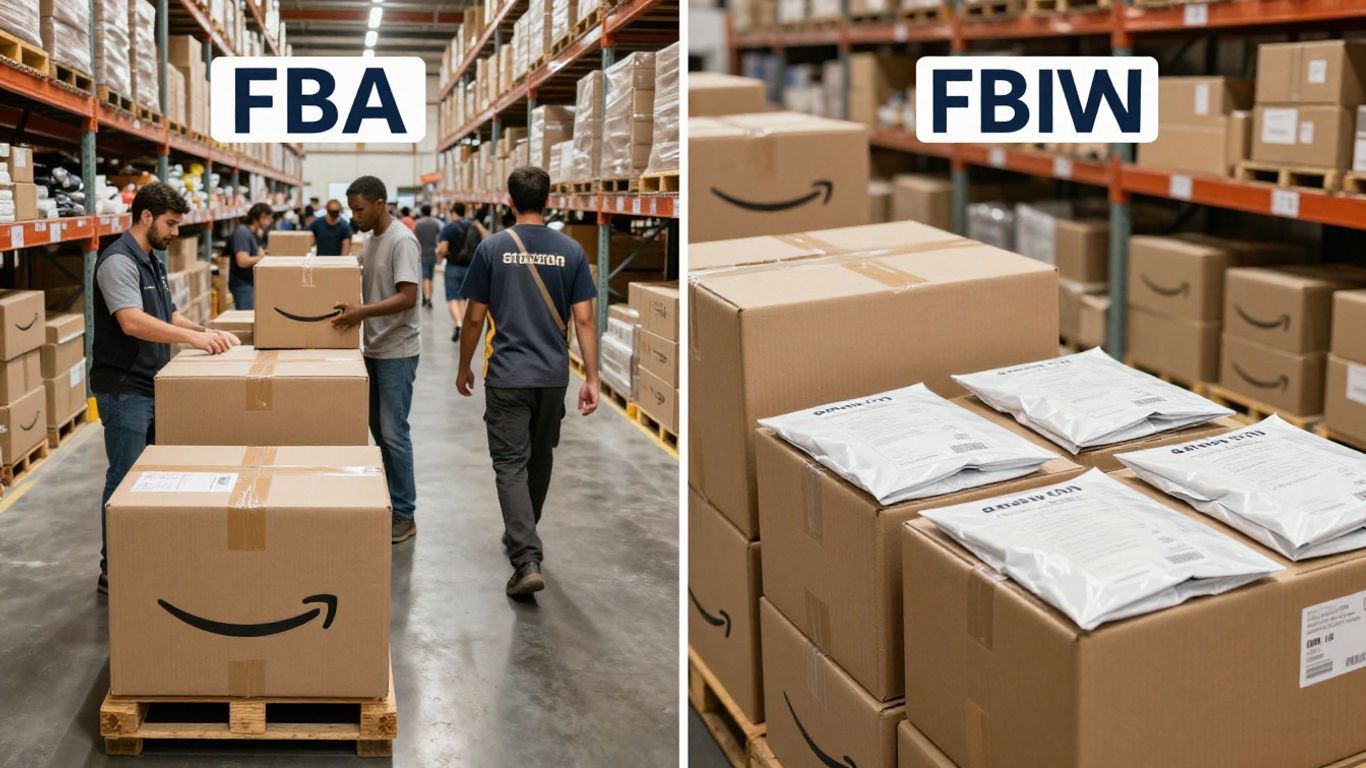
When you’re trying to figure out if Fulfillment by Amazon (FBA) or Fulfillment by Merchant (FBM) is the way to go for your products, it really boils down to a few main differences. These aren’t just small details; they can seriously impact how much money you make and how much work you have to do.
Inventory Storage and Handling
With FBA, you send your products to Amazon’s warehouses. They take care of storing everything, and when an order comes in, they find it, pack it up, and ship it out. This means you don’t need your own storage space or staff to handle these tasks. However, Amazon charges fees for this storage, and if your items don’t sell quickly, those fees can add up. You also have less control over how your products are stored and handled once they’re in Amazon’s hands.
FBM, on the other hand, means you keep your inventory wherever you want – your own warehouse, a third-party logistics (3PL) provider, or even your garage. You’re responsible for storing it, picking it when an order is placed, packing it, and shipping it. This gives you complete control over your stock and how it’s presented to the customer, which can be important for branding or if you have special packaging needs. The main trade-off here is that you’re taking on all the operational work and costs associated with storage and handling.
Shipping and Customer Service
This is a big one. If you use FBA, Amazon handles all the shipping logistics and customer service inquiries related to fulfillment. This includes dealing with shipping issues, returns, and general customer questions about their order. This can free up a lot of your time. However, you’re relying on Amazon’s processes, and sometimes their customer service might not align perfectly with your brand’s voice.
Choosing FBM means you’re the one answering customer questions about orders, managing shipping carriers, and processing returns. You set your own shipping speeds and policies. This allows for a more personalized customer experience, which can be a real advantage. But, it also means you need a system in place to handle these requests efficiently. You’ll also need to make sure your shipping settings are accurate to avoid any negative impacts on your seller metrics. For example, using Amazon’s Buy Shipping services can help protect your account when carriers face delays.
Prime Eligibility and Buy Box Advantage
Products fulfilled through FBA are automatically eligible for the Prime badge. This is a huge deal because millions of Amazon shoppers look for that badge and often prioritize Prime-eligible items. It can significantly increase your product’s visibility and conversion rates. Furthermore, FBA sellers often have a stronger chance of winning the Buy Box, which is the "Add to Cart" button on a product page. Having the Buy Box is critical for sales, and Amazon’s algorithm tends to favor FBA sellers for this.
With FBM, your products aren’t automatically Prime eligible unless you qualify for Seller Fulfilled Prime (SFP), which has its own strict requirements. While you can still win the Buy Box as an FBM seller, it can be more challenging, especially if there are FBA competitors. You’ll need to offer competitive pricing, fast shipping, and excellent customer service to stand a chance. For many sellers, the boost in sales that comes with Prime eligibility and a better chance at the Buy Box makes FBA a very attractive option, even with the added fees. Understanding the Amazon FBA process is key here.
Here’s a quick look at how these factors stack up:
| Feature | Fulfillment by Amazon (FBA) | Fulfillment by Merchant (FBM) |
|---|---|---|
| Inventory Storage | Amazon warehouses; storage fees apply | Your own facility or 3PL; you manage costs |
| Order Fulfillment | Amazon picks, packs, and ships | You pick, pack, and ship |
| Customer Service | Amazon handles fulfillment-related inquiries | You handle all order-related inquiries |
| Prime Eligibility | Automatic | Requires Seller Fulfilled Prime (SFP) or not eligible |
| Buy Box Advantage | Generally stronger | Can be more challenging to win |
| Control | Less control over packaging and direct customer interaction | Full control over operations and customer experience |
| Operational Burden | Lower for the seller | Higher for the seller |
Ultimately, the choice between FBA and FBM isn’t just about convenience or cost; it’s about aligning your fulfillment strategy with your overall business goals and operational capabilities. Each method has its own set of advantages and disadvantages that can significantly influence your sales performance and customer satisfaction.
Strategic Decision-Making for FBA vs FBM
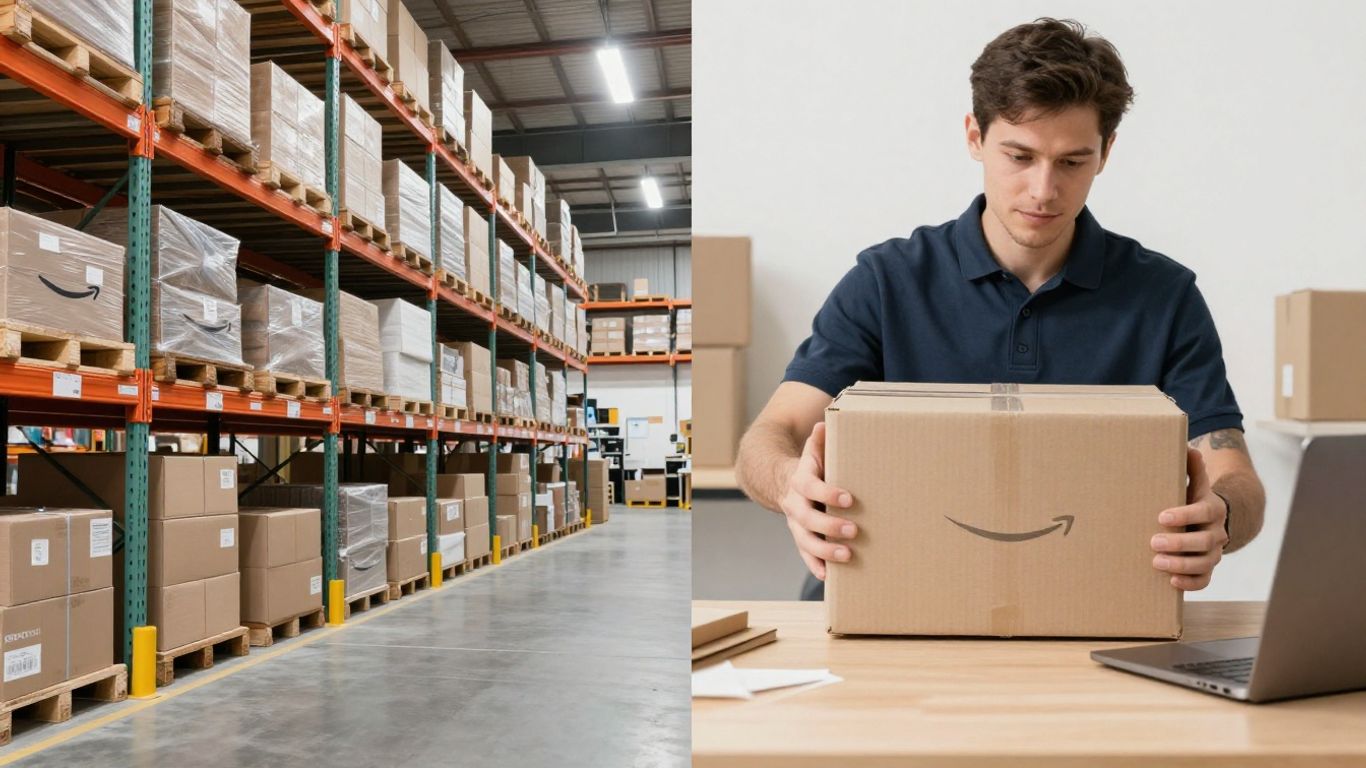
Alright, so you’ve looked at what FBA and FBM are, and maybe you’re still scratching your head about which one is the right fit. It’s not a one-size-fits-all kind of deal, you know? The best choice really depends on your specific situation. Let’s break down some of the big things to think about.
Analyzing Product Type and Margins
First off, what are you selling? This is a huge factor. Some products just don’t play nicely with FBA. Think about really big, heavy items – the storage and shipping fees can get out of hand fast. Also, if your product is fragile, melts easily, or needs some kind of customization, FBM might be a much safer bet. You’ve got more control over how those special items are handled.
And then there are your profit margins. If you’re making a decent amount of money on each sale, FBA fees might not sting as much. But if your margins are already pretty thin, paying those extra FBA fees could eat up all your profit. It’s worth doing the math here.
Evaluating Sales Velocity and Catalog Size
How fast are your products moving? If you’ve got items that fly off the shelves, FBA can handle that volume pretty easily. But if you have a lot of niche products that only sell a few units here and there, FBA storage fees could pile up over time. For those slower movers, FBM might keep costs down.
Speaking of catalog size, if you only have a handful of products, managing them with either FBA or FBM is usually pretty straightforward. But if you’ve got hundreds or even thousands of different items, things get more complicated. Sometimes, it makes sense to put your best sellers into FBA for that Prime boost and handle the rest yourself with FBM.
Assessing Operational Capacity and Growth Goals
What’s your current setup like? Do you already have a warehouse, staff, and shipping processes in place? If so, you might be able to handle FBM efficiently and save some money. But if you’re a small operation or just starting out, FBA can take a lot of the logistical headache off your plate, letting you focus on marketing and product development.
Think about where you want your business to go. Are you aiming for super-fast growth and want to scale up quickly? FBA is generally built for that kind of rapid expansion. If you prefer a more controlled, steady growth path, FBM might give you the flexibility you need without the commitment of Amazon’s warehouses.
The decision between FBA and FBM isn’t just about fees; it’s about aligning your fulfillment strategy with your overall business plan. Consider what you want your brand to look like in a year or two, not just next month.
Here’s a quick look at how product type can influence your choice:
- Oversized/Heavy Items: Often better suited for FBM due to high FBA fees.
- Fragile/Perishable/Meltable Items: FBM offers more control over handling and storage conditions.
- Customized Products: FBM is usually necessary as FBA doesn’t handle custom orders well.
- Low-Margin Products: FBM can sometimes be more profitable if your own fulfillment costs are lower than FBA fees.
- High-Ticket Items: Sellers often prefer FBM for better control over customer service and returns for expensive goods.
The Advantages of a Hybrid Fulfillment Approach

You know, it’s easy to get stuck thinking you have to pick just one way to get your products to customers: either Amazon does it all (FBA), or you do it all (FBM). But honestly, most successful sellers in 2026 aren’t doing that. They’re mixing and matching, using a bit of both to make things work best for their specific products and business goals. This is what we call a hybrid approach, and it’s pretty smart.
Optimizing Product Fulfillment Methods
The core idea here is simple: not every product is the same, so why should they all be shipped the same way? You might have a few best-selling items that fly off the shelves. These are probably good candidates for FBA. They get that Prime badge, which shoppers love, and Amazon handles the heavy lifting. Then you’ve got those other items – maybe they’re big and bulky, or perhaps they don’t sell as often, or the profit margin is super thin. For those, sticking with FBM makes more sense. You keep more control, and often, more of the profit because you’re not paying Amazon’s fees for storage and fulfillment on items that aren’t moving quickly. It’s about playing to the strengths of each method for each product.
Managing Inventory Across Channels
Sometimes, you might run low on a popular item in your FBA inventory. Waiting for a new shipment to arrive at Amazon’s warehouse means lost sales. With a hybrid setup, you can simply switch that listing to FBM temporarily. You fulfill those orders yourself from your own stock until your FBA inventory is replenished. This keeps your sales going and prevents customers from going to a competitor. It’s like having a backup plan built right into your sales process. This flexibility is a big deal, especially during busy periods or unexpected supply chain hiccups. You can also use FBM to test out new products before you commit to sending large quantities to Amazon. If a new item does well, you can then transition it to FBA. It’s a way to manage risk and make sure you’re not tying up too much capital in inventory that might not sell.
Leveraging Both FBA and FBM Strategically
Think about it: FBA is great for high-volume, standard items that benefit from fast shipping and Amazon’s customer service. It frees up your time. FBM, on the other hand, gives you direct control over packaging, especially if you have custom needs, and can be more cost-effective for items with lower margins or those that are oversized. Many sellers find that using FBM for their unique, handmade, or custom-ordered items is the way to go. It allows for the personal touch and specific handling these products often require. Plus, if you already have your own warehouse space or fulfillment staff for other sales channels, like your own website, FBM lets you use those existing resources efficiently. You’re not paying for duplicate services. It’s about building a fulfillment strategy that fits your business, not forcing your business to fit a single fulfillment model. This balanced approach can really help protect your profits and support steady growth.
The hybrid fulfillment model isn’t just about picking and choosing; it’s about creating a dynamic system. This system adapts to product performance, market demand, and your own operational capacity. It allows for greater financial flexibility and reduces the risk associated with relying too heavily on one fulfillment channel. By strategically assigning products to either FBA or FBM, sellers can optimize costs, maintain customer satisfaction, and ensure consistent sales performance across their Amazon presence. It’s a practical way to manage the complexities of modern e-commerce and keep your business competitive.
Here’s a quick look at how some sellers might split their inventory:
- FBA for:
- Best-selling, high-demand products.
- Standard-sized, lightweight items.
- Products that benefit from the Prime badge.
- FBM for:
- Oversized or heavy items.
- Products with very thin profit margins.
- Custom, handmade, or made-to-order items.
- Slow-moving or seasonal inventory.
- FBM as a backup for:
- Preventing stockouts when FBA inventory is low.
- Testing new products before committing to FBA.
This kind of thoughtful planning helps you avoid common pitfalls and makes your Amazon selling experience much smoother. It’s about working smarter, not just harder, and making sure your fulfillment strategy supports your overall business objectives. For more on managing your inventory effectively, Seller Central provides helpful tools to manage inventory.
Making the Right Fulfillment Choice for Your Business
So, you’ve looked at FBA, you’ve looked at FBM, and maybe even considered some other options. Now comes the big question: which one is actually the best fit for your business in 2026? It’s not a one-size-fits-all situation, and what works for one seller might be a total flop for another. The goal is to pick a fulfillment strategy that protects your profits while also setting you up for growth.
Calculating the True Costs of Each Method
Before you jump in, you really need to crunch the numbers. It’s easy to get caught up in the convenience of FBA, but those fees add up. On the flip side, FBM might seem cheaper upfront, but you have to factor in your own time, warehouse space, shipping supplies, and labor.
Here’s a quick look at what to compare:
- FBA Costs: Fulfillment fees (picking, packing, shipping), monthly storage fees, long-term storage fees (if applicable), and any inbound shipping costs to Amazon’s warehouses.
- FBM Costs: Your own storage costs (rent, utilities), labor for picking and packing, shipping carrier costs, packaging materials, and potentially returns processing.
It’s also worth noting that Amazon’s fulfillment fees can change, and so can shipping carrier rates. So, what looks good today might need a second look next quarter.
Aligning Fulfillment with Business Objectives
Think about where you want your business to go. Are you aiming for rapid expansion, or are you more focused on maintaining tight control over every aspect of your operation?
- For rapid growth and Prime eligibility: FBA often makes more sense. It handles the heavy lifting of logistics, allowing you to focus on marketing and product development. The Prime badge can significantly boost sales.
- For niche products or high-margin items: FBM might be better. If you have products that are oversized, fragile, or require special handling, managing them yourself gives you more control and can prevent costly mistakes or damage.
- For testing new markets: Consider FBM or even Amazon’s Remote Fulfillment options if you’re looking to expand internationally without the upfront investment in overseas warehousing.
The fulfillment method you choose isn’t just about shipping boxes; it’s a strategic decision that impacts your cash flow, customer satisfaction, and overall brand perception. Don’t just pick the easiest option; pick the one that best supports your long-term vision.
The Impact of Fulfillment on Sales Performance
Ultimately, your fulfillment choice directly affects how well you sell. FBA’s automatic Prime eligibility is a huge draw for customers looking for fast, reliable shipping. This can lead to a higher conversion rate and a stronger position in the Buy Box, which is critical for visibility.
However, FBM can also perform well, especially if you can consistently meet Amazon’s strict Seller Fulfilled Prime (SFP) requirements. If you can offer fast, reliable shipping and excellent customer service yourself, you can still compete effectively. For certain product types, like custom-made items or very large goods, FBM might even lead to better customer satisfaction because you can manage those unique needs directly. It really comes down to understanding your product, your customer, and your own operational capabilities.
Choosing the right way to get your products to customers is a big deal for any business. It’s not just about speed; it’s about making sure your customers are happy and that you’re spending your money wisely. Think about what makes sense for your company’s size and what your customers expect. We can help you figure out the best plan. Visit our website to learn more about how we can help you make the perfect fulfillment choice.
Wrapping It Up: Your Fulfillment Path Forward
So, after looking at all this, it’s pretty clear there’s no single ‘best’ way to handle your Amazon orders in 2026. FBA offers a ton of convenience and can really boost your sales, especially with that Prime badge, but it comes with its own set of costs and complexities. On the flip side, FBM gives you more control and can be cheaper if you’ve got the setup, but it definitely takes more of your time and effort. For many sellers, the real sweet spot might be a mix of both – using FBA for your popular, easy-to-ship items and FBM for those trickier, bigger, or slower-moving products. The key is to really crunch the numbers for your specific products and business. Think about what you sell, how much it costs you to ship, and how much time you actually have. Making the right choice here isn’t just about saving a few bucks; it’s about setting your Amazon business up for steady growth and keeping your customers happy.
Frequently Asked Questions
What’s the main difference between FBA and FBM?
Think of it like this: FBA (Fulfillment by Amazon) is like having Amazon do all the work for you after you send them your stuff. They store it, pack it, ship it, and even handle returns. FBM (Fulfillment by Merchant) means YOU do all that work yourself from your own space.
Why do many people say FBA makes more sales?
FBA items often get a ‘Prime’ badge, which shoppers love because it means fast, free shipping. This badge makes your product stand out and can lead to way more sales than if you were shipping it yourself (FBM).
When is FBM a better choice than FBA?
FBM is often better if you sell big, heavy items, or things that are fragile and need special care. It’s also good for unique items or if you already have your own warehouse and shipping setup, as it can save you money.
Can I use both FBA and FBM?
Yes, absolutely! Many sellers use a mix. They might use FBA for their most popular, easy-to-ship items and FBM for their larger or more unusual products. It’s like having the best of both worlds.
What’s the biggest mistake people make with FBA?
A common mistake is sending way too much stuff to Amazon’s warehouses. If it doesn’t sell quickly, you end up paying a lot for storage or have to pay to get it back, which can cost a ton of money.
How do I decide which is best for my business?
You need to look at your products: Are they small and light or big and heavy? How much profit do you make on each one? How much time and space do you have? Figuring out these details will help you pick the right way to ship your items.