Unlock Passive Income: Your Guide to Selling Coloring Books on Amazon
Thinking about making some extra cash on the side? Selling coloring books on Amazon might be easier than you think. It’s a creative way to earn passive income, and lots of people are doing it. This guide will walk you through the whole process, from figuring out what kind of book to make to getting it listed and selling. We’ll cover finding your niche, designing your book, and all the technical stuff with Amazon’s KDP. Plus, we’ll talk about how to get people to actually buy your book. Let’s get started on making your coloring book dreams a reality.
Key Takeaways
- Figure out what kind of coloring book people want to buy. Look at what’s already popular and see if there’s a gap you can fill.
- Design pages that are fun and engaging. Think about the age group you’re targeting and make sure the book is a good length.
- Get familiar with Amazon’s Kindle Direct Publishing (KDP) system. Setting up your account and uploading your book correctly is important.
- Price your book smartly. You need to cover your costs and make a profit, but also be competitive with other books out there.
- Tell people about your book! Use social media, Amazon ads, and encourage reviews to get noticed and make sales.
Unearthing Your Coloring Book Niche
So, you’ve decided to jump into the colorful world of selling coloring books on Amazon. Smart move! It’s a market that’s seen some serious growth, and honestly, who doesn’t love a good coloring session? But before you start dreaming up unicorn-filled pages, let’s get real. This isn’t just about doodling; it’s about business. And like any good business, it starts with knowing your playground.
Why Understanding The Coloring Book Market Matters
Think of the coloring book market like a giant box of crayons. There are tons of colors, but some are way more popular than others. Knowing which ones are flying off the shelves (or, you know, getting clicked on) is key. It helps you avoid wasting time and effort on something nobody really wants. Plus, the adult coloring book scene alone is projected to hit a pretty hefty sum soon, and kids’ books aren’t far behind. Getting a feel for what buyers are looking for is your first step to actually making some dough.
Choosing A Profitable Niche For Your Masterpiece
This is where you get to be a detective. You need to find a sweet spot – a topic that people are actively searching for but isn’t so swamped with competition that your book gets lost in the shuffle. It’s like finding a quiet, sunny spot in a busy park. You want to be visible, but not overwhelmed.
Here’s a quick look at what’s been popular:
- Animals: From fluffy cats and dogs to majestic wild creatures and even mythical beasts.
- Nature: Think flowers, trees, landscapes, and anything outdoorsy.
- Fantasy: Unicorns, dragons, fairy tales – the more magical, the better.
- Hobbies & Interests: Cars, motorcycles, specific sports, or even intricate patterns.
- Mindfulness & Stress Relief: Mandalas, abstract designs, and calming scenes.
Don’t just guess, though. Do a little digging on Amazon. See what’s selling well, what people are reviewing positively, and what seems to be missing. You can even check out seasonal trends – a spooky Halloween book might do great in October but sit collecting dust in July.
The trick is to find a theme that genuinely interests you, because that passion will shine through in your work. But also, make sure there’s an audience for it. It’s a balancing act, for sure.
Popular Themes That Capture Buyer Attention
When people are looking for a coloring book, they often have something specific in mind. They might want to relax after a long day, entertain their kids, or explore a particular interest. This is where understanding popular themes comes into play. It’s not just about picking a topic; it’s about picking a topic that sells.
Consider these points when brainstorming:
- Demographics: Who are you trying to reach? Kids? Adults? Both?
- Trends: What’s hot right now? Are there any pop culture moments you can tap into?
- Evergreen Appeal: Some themes, like nature or animals, are always popular.
Remember, the goal is to create something that people want to buy and then want to color. A well-chosen niche makes all the difference.
Crafting Your Coloring Book Masterpiece
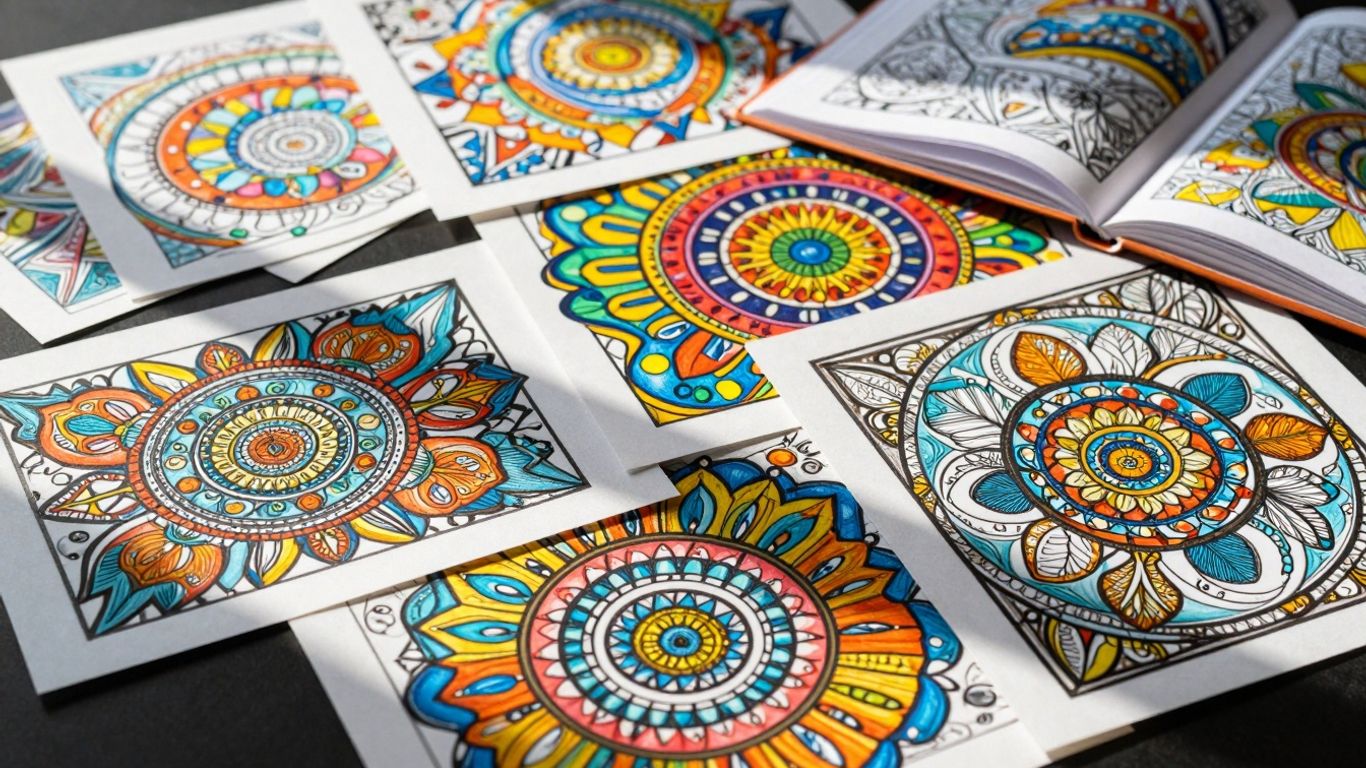
Alright, you’ve got a killer idea for a coloring book. Now comes the fun part: actually making the thing. This isn’t just about slapping some drawings onto a page; it’s about creating an experience that makes people want to grab their crayons (or fancy colored pencils, no judgment here). Let’s get this masterpiece whipped into shape.
Designing Pages That Spark Creativity
This is where the magic happens. Your illustrations are the heart and soul of your coloring book. Think about who you’re trying to reach. Are you aiming for intricate mandalas that adults can get lost in, or simple, cheerful characters for the little ones? The style really matters.
- DIY: If you’ve got the artistic chops and the right software (like Adobe Illustrator or Procreate), you can draw them yourself. It gives you total control.
- Hire a Pro: Platforms like Upwork or Fiverr have tons of talented artists. Just be sure to check out their portfolios and reviews before you hire.
- Pre-made Assets: Sites like Creative Fabrica offer ready-to-use designs. They’re affordable, but remember, others might be using the same ones, so try to add your own twist.
- Coloring Book Makers: Tools like Canva can be super helpful, offering templates and drag-and-drop features to speed things up.
Whatever route you choose, make sure your art is original and doesn’t step on any copyright toes. Nobody wants a cease-and-desist letter with their royalty checks.
The goal is to create pages that are inviting and fun to color. Think about the line thickness, the amount of detail, and the overall composition. A good coloring page should be clear enough to color easily but detailed enough to be interesting.
The Ideal Page Count For Amazon Success
So, how many pages should your coloring book have? It’s a bit of a balancing act. Too few, and customers might feel like they didn’t get their money’s worth. Too many, and it might seem overwhelming, or the printing costs could eat into your profits.
Here’s a general idea:
- Kids’ Coloring Books: Often range from 30 to 60 pages. Simpler designs mean you can fit more in without it feeling too dense.
- Adult Coloring Books: Typically fall between 20 to 40 pages. These often have more intricate designs, so fewer pages can still offer a substantial coloring experience.
Remember, quality trumps quantity. A shorter book with amazing, engaging pages is better than a long one filled with filler.
Formatting Your Book For KDP Perfection
Getting your pages ready for Amazon’s Kindle Direct Publishing (KDP) platform is pretty straightforward, but you need to get it right. Amazon usually wants your book as a PDF file.
- Page Size: The standard size for most coloring books is 8.5 x 11 inches. This is a good, manageable size for coloring.
- Resolution: Make sure your images are high-resolution (at least 300 DPI) so they look crisp and clear when printed. Nobody likes a blurry coloring book.
- Bleed Settings: Depending on your design, you might need to consider bleed. This is extra space around the edge of your page that gets trimmed off during printing. It helps avoid white borders on your final product. Check KDP’s guidelines for specifics.
- File Format: Export your final design as a print-ready PDF. Double-check that all pages are in the correct order and that there are no errors.
Getting the formatting right now saves a lot of headaches later. It’s like making sure all the ingredients are measured before you start baking – saves you from burning the cookies. If you’re looking for deals on supplies or even items to help with your creative process, checking out Amazon open box deals might be a smart move.
Navigating The Amazon KDP Publishing Maze
Alright, you’ve got your masterpiece ready to go. Now comes the part where we actually get it onto Amazon so people can buy it. It might sound a bit intimidating, like trying to assemble IKEA furniture without the instructions, but honestly, Amazon’s Kindle Direct Publishing (KDP) platform is pretty straightforward once you get the hang of it. Think of it as your digital storefront.
Setting Up Your KDP Account Like A Pro
First things first, you need an account. If you already have an Amazon account, you can use that to sign up for KDP. Just head over to the Amazon KDP website and look for the sign-up option. They’ll ask for some basic info, like your name, address, and how you want to get paid. It’s important to fill this out accurately, especially your bank details, because that’s how Amazon sends you your hard-earned royalties. They’ll also need your tax information, which is just a standard procedure to make sure everything’s above board. Don’t skip this part; it’s crucial for getting paid.
Uploading Your Coloring Book Files
Once your account is set up, it’s time to upload your coloring book. You’ll be working within the KDP dashboard. When you create a new title, you’ll choose ‘Paperback’ for your coloring book. Then comes the fun part: uploading your files. You’ll need your interior file (usually a PDF) and your cover file. Amazon has specific requirements for file types and sizes, so make sure you’ve formatted your book correctly beforehand. A common size for coloring books is 8.5" x 11", and a PDF at 300 DPI is usually the way to go for good print quality. They also have a handy Cover Creator tool if you haven’t designed your own cover yet, which can be a lifesaver.
Crafting a Compelling Book Description
This is your sales pitch! The description is what potential buyers read to decide if they want your book. You want to make it sound exciting and clearly explain what your coloring book is all about. Think about the theme, who it’s for, and what makes it special. Use bullet points to highlight key features, like the number of pages or the types of illustrations. Make it easy to read and enticing. A good description can really make a difference in whether someone clicks ‘Add to Cart’ or keeps scrolling.
Remember, the description is your chance to connect with potential customers. Highlight the unique aspects of your coloring book and paint a picture of the fun and relaxation it offers. Don’t just list features; explain the benefits of coloring your pages.
Here’s a quick checklist for your description:
- Hook: Start with an attention-grabbing sentence.
- Details: Explain the theme and content.
- Benefits: What will the reader gain (relaxation, creativity, fun)?
- Call to Action (subtle): Encourage them to imagine coloring.
Getting these details right might seem like a lot, but it’s really about presenting your work in the best possible light. Take your time with each step, and you’ll be publishing in no time.
Pricing Your Pages For Profit
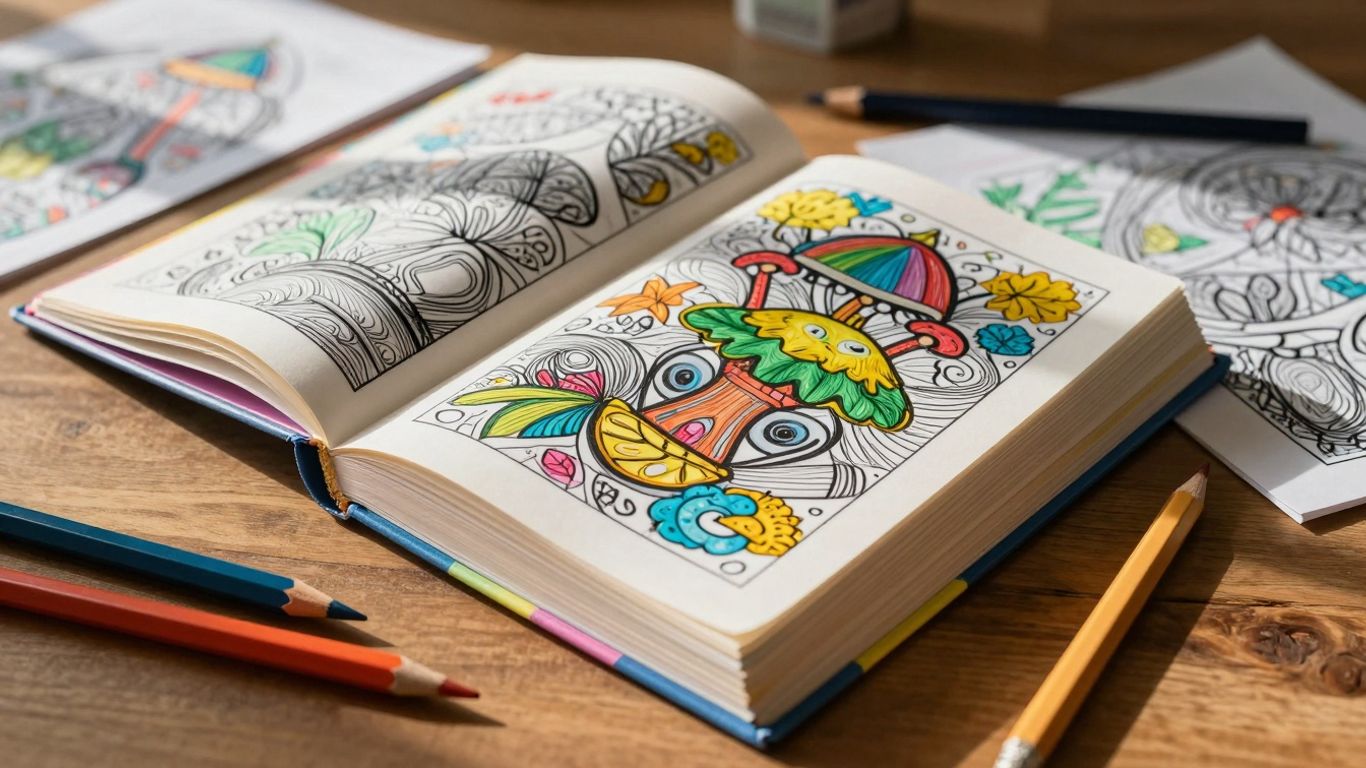
Alright, you’ve poured your heart and soul (and maybe a little bit of glitter glue) into creating a coloring book masterpiece. Now comes the part where we talk turkey: how much should you charge? It’s not just about picking a number out of a hat; it’s about making sure you actually make some money while still being attractive to buyers. Let’s get down to brass tacks.
Understanding Your Costs And Royalties
Before you even think about a price tag, you gotta know your numbers. Amazon KDP has its own set of costs, and you need to factor those in. The big one is printing. The more pages your book has, the more it costs to print. Amazon provides a handy breakdown of these printing costs, and it’s usually based on page count and whether it’s black and white or color. Don’t forget about Amazon’s cut, too – they typically take a percentage of each sale as their royalty. It’s not a bad deal, but you need to know what you’re working with.
Here’s a quick look at what goes into your cost:
- Printing Costs: Varies by page count and interior type (B&W or color).
- Amazon Royalties: A percentage of the list price (usually around 40% for print books).
- Distribution Fees: Sometimes applicable, especially for wider distribution.
Knowing these figures helps you set a minimum price to avoid losing money on each sale. You can use tools like the KDP pricing calculator to get a clearer picture of your potential earnings.
Researching Competitor Pricing Strategies
So, you know your costs. Now, what are other people charging for similar coloring books? Head over to Amazon and do some digging. Look for books in your specific niche. Are they mostly priced at $5.99? $9.99? $12.99? See what the best-sellers are doing. Don’t just copy them, though; understand why they might be priced that way. Does their book have more pages? A unique binding? A super popular theme? Figure out what makes your book stand out and if that justifies a slightly different price point.
Testing Price Points For Maximum Gain
Pricing isn’t always a one-and-done deal. Sometimes, you need to experiment a little. A common strategy is to launch your book at a slightly lower price to attract those first few buyers and get some reviews rolling in. Once you have some positive feedback, you can gradually increase the price. Keep an eye on your sales data. If sales suddenly drop after a price increase, you might have gone too high. If sales are steady or increasing, you’re probably in the sweet spot. It’s a bit of a balancing act, but worth the effort to find that perfect price that brings in both customers and cash.
Pricing is a delicate dance between making your book accessible and ensuring you’re compensated for your hard work. Don’t be afraid to adjust as you gather more data and understand your audience better.
Launching Your Coloring Book Into The World
Alright, you’ve poured your heart and soul into designing those pages, and now it’s time to get your masterpiece out there. Publishing on Amazon KDP is the next big step, and honestly, it’s not as scary as it sounds. Think of it as the grand opening of your very own coloring book art gallery.
Choosing The Right Categories And Keywords
This is where you play detective. You need to figure out where your book fits best so people actually find it. Amazon lets you pick up to two categories. Don’t just pick the obvious ones; think about where your ideal customer is actually looking. Are they searching for "kids’ animal coloring books" or maybe something more specific like "toddler farm animal coloring pages"? Keywords are your secret weapon here, so brainstorm words and phrases that someone would type into the Amazon search bar to find a book just like yours. Think like a buyer, not a creator.
Publishing Your Book On Amazon KDP
So, you’ve got your files ready. The first thing you’ll need is an Amazon KDP account. If you don’t have one yet, signing up is pretty straightforward. Once you’re in, you’ll be prompted to create a new title. You’ll enter all the book details: title, author name, and that all-important description you worked so hard on. Then comes the file upload. Make sure you’re uploading the correct PDF file – the one you double-checked for quality. Amazon will then ask about pricing, print options, and territories. It’s a bit of a checklist, but take your time with each step. You can always save your progress and come back later.
Selecting Your Target Amazon Marketplaces
Don’t limit yourself to just one Amazon. Think globally, or at least regionally! Amazon has different sites for different countries, like Amazon.co.uk, Amazon.de, or Amazon.com.au. You can choose which of these marketplaces you want your book to be available in. It’s usually a good idea to start with the major ones, like the US, UK, Canada, and Australia, especially if your book has a broad appeal. Consider where your target audience might be shopping. You can always add or remove marketplaces later if you see better results in certain areas.
Publishing your book is just the beginning. Think of it as planting a seed. Now you need to water it with marketing to help it grow.
Marketing Your Coloring Book For Maximum Reach

So, you’ve gone through the whole process, designed your masterpiece, navigated KDP, and hit that publish button. High five! But here’s the thing: just because it’s live doesn’t mean people will magically find it. Think of it like opening a shop in the middle of nowhere – you need to tell folks it’s there. Luckily, there are some pretty neat ways to get your coloring book in front of eager eyes.
Leveraging Social Media For Visual Appeal
This is where your coloring book can really shine. Platforms built for visuals are your best friends. Instagram is great for showing off those colorful finished pages or even snippets of your line art. Use relevant hashtags like #coloringbook, #adultcoloring, or niche-specific ones related to your theme. Pinterest is another goldmine. People actively search for inspiration and activities there, making it a prime spot to showcase your designs. Creating boards dedicated to different themes or even specific pages from your book can draw in potential buyers. Don’t forget Facebook groups either; find ones focused on art, hobbies, or parenting where sharing your book is appropriate.
Running Effective Amazon PPC Campaigns
Amazon’s own advertising system, Pay-Per-Click (PPC), can be a game-changer. It lets you put your book right in front of people who are already shopping for similar items on Amazon. You can set up automatic campaigns that let Amazon figure out the keywords, or go manual and pick your own. It’s a bit of a learning curve, but seeing your book pop up when someone searches for "mandala coloring book" or "cute animal coloring pages" is pretty satisfying. You can control your budget, so you don’t have to break the bank.
Encouraging Reviews To Build Trust
Reviews are like the word-of-mouth for the internet age. When people see that others have bought and enjoyed your book, they’re more likely to take the plunge themselves. A simple way to encourage this is to include a polite note at the end of your book thanking readers and asking them to consider leaving a review if they enjoyed it. You can also send out follow-up emails to customers, but be sure to keep it friendly and not pushy. Positive reviews build credibility faster than almost anything else.
Creating A Dedicated Website For Your Brand
While Amazon is great for sales, having your own little corner of the internet can really help build your brand. A simple website can act as a central hub for everything related to your coloring books. You can share behind-the-scenes looks at your design process, offer free downloadable pages as a teaser, and even sell directly from your site if you choose. It gives you more control and a direct connection with your audience. Think of it as your coloring book’s home base.
Building a consistent presence across these platforms takes time, but it’s how you turn a published book into a steady stream of passive income. Don’t get discouraged if sales aren’t immediate; keep creating, keep promoting, and keep learning what works best for your unique coloring book creations.
Ready to make your coloring book a bestseller? We’ll show you how to get it seen by everyone who loves to color! From sharing on social media to finding the right online spots, we’ve got the tips to help your book shine. Want to learn more about reaching a huge audience? Visit our website today for all the secrets to marketing success!
So, Ready to Color Your Way to Cash?
Alright, we’ve walked through the whole process, from dreaming up a cool theme to actually getting your coloring book listed on Amazon. It might seem like a lot, but honestly, it’s totally doable. Think of it as a fun project that could actually pay you back. You’ve got the tools, you’ve got the know-how, and the market is definitely there. So, go ahead, get creative, hit that publish button, and start building that passive income stream. Who knows, your next masterpiece might just be the one that keeps on giving. Happy coloring… and selling!
Frequently Asked Questions
How much money can I actually make selling coloring books?
The amount of money you can make really depends on a few things. It’s like asking how much a lemonade stand makes – it varies! Some people make a little extra cash, maybe a few hundred dollars a month. Others, who are really good at picking popular themes and marketing their books well, can earn thousands each month. It’s all about finding what people want and getting your books in front of them.
Do I need to be a super talented artist to create a coloring book?
Not at all! You don’t need to be a professional artist. There are cool tools, like AI programs, that can help you create amazing pictures for your coloring books. So, if you have a great idea for a theme, you can still make a fantastic book even if you can’t draw perfectly yourself.
What’s the best number of pages for a coloring book on Amazon?
Amazon has rules for this. Your coloring book needs to have at least 24 pages to be sold. Most people find that books with around 30 to 60 pages work really well. More pages can mean higher printing costs, which might make your book more expensive, so it’s good to find a balance.
Can I change my coloring book after I’ve already published it?
Yes, you absolutely can! If you notice a mistake, want to add new pages, or even change the cover to make it look better, you can do that. You just need to upload the updated version to Amazon KDP, and they’ll replace the old one.
How do I make sure people actually see my coloring book on Amazon?
Getting your book noticed is super important. You can use Amazon’s own advertising system to show your book to shoppers. Also, writing a really good description that uses words people search for helps a lot. And don’t forget to ask happy customers to leave reviews – good reviews make your book look trustworthy!
Is it hard to set up an account to sell books on Amazon?
Setting up an account on Amazon KDP (Kindle Direct Publishing) is pretty straightforward. You’ll need to provide some basic information, like how to get paid (your bank details) and tax information. Amazon guides you through each step, and it’s designed to be easy for people who are new to selling online.