The 2026 Playbook for Amazon TACOS
Selling on Amazon in 2026 is a bit like playing a high-stakes game of chess. It’s not just about throwing up listings and hoping for the best anymore. The platform is way more complex now, and if your agency is still using old tricks from a few years ago, you’re probably falling behind. To really win, you need a plan that’s as unique as your business. This guide is all about building that custom playbook, focusing on what actually matters: profit and growth.
Key Takeaways
- Your Amazon listing needs to be top-notch before you even think about ads. It’s about understanding what shoppers are really looking for, not just stuffing keywords.
- Forget just looking at ROAS. In 2026, TACoS (Total Advertising Cost of Sales) is the real measure of success. Ads should help your overall profit, not just look good on paper.
- Protecting your brand is huge. Think Brand Registry, Project Zero, and knowing how to get Amazon Seller Support to actually help you.
- Don’t leave money on the table. Regularly checking for reimbursements from Amazon can uncover lost revenue you’re owed.
- A good playbook isn’t static. It uses data from tools like Amazon Marketing Cloud to adjust ad spend, manage inventory, and protect your market position.
1. Amazon Listing Optimization
Okay, so you’ve got a product you want to sell on Amazon. Before you even think about running ads, you absolutely need to nail your product listing. Think of it as your digital storefront – if it’s messy or confusing, people will just walk away. In 2026, Amazon’s algorithm is pretty smart. It’s not just about stuffing keywords in there anymore; it’s about understanding what the shopper really wants.
Your listing needs to speak directly to the customer’s needs and intent. Are they searching for "running shoes" or "lightweight, breathable running shoes for marathon training"? The more specific and relevant your listing is, the better it will perform. This directly impacts your conversion rate, which is a huge deal for how much Amazon shows your product.
Here’s what makes a listing work today:
- High-Intent Keywords: We’re talking about words and phrases that people use right before they’re ready to buy. It’s not just about getting found; it’s about getting found by the right people.
- Engaging Content: Using A+ Content and maybe even a video helps tell your product’s story. This can keep shoppers on your page longer and answer their questions before they even ask them.
- Mobile-First Thinking: Most people shop on their phones now. Your listing has to look good and be easy to read on a small screen. If it’s a pain to use on mobile, you’re losing sales.
If your listing isn’t converting visitors into buyers, spending money on ads is just like pouring water into a leaky bucket. You need to fix the leaks first.
Getting your listing right is the first step. It sets the stage for everything else, including how well your ads will perform. A strong listing means better ad efficiency and ultimately, more sales. It’s that simple, really.
2. Sponsored Products
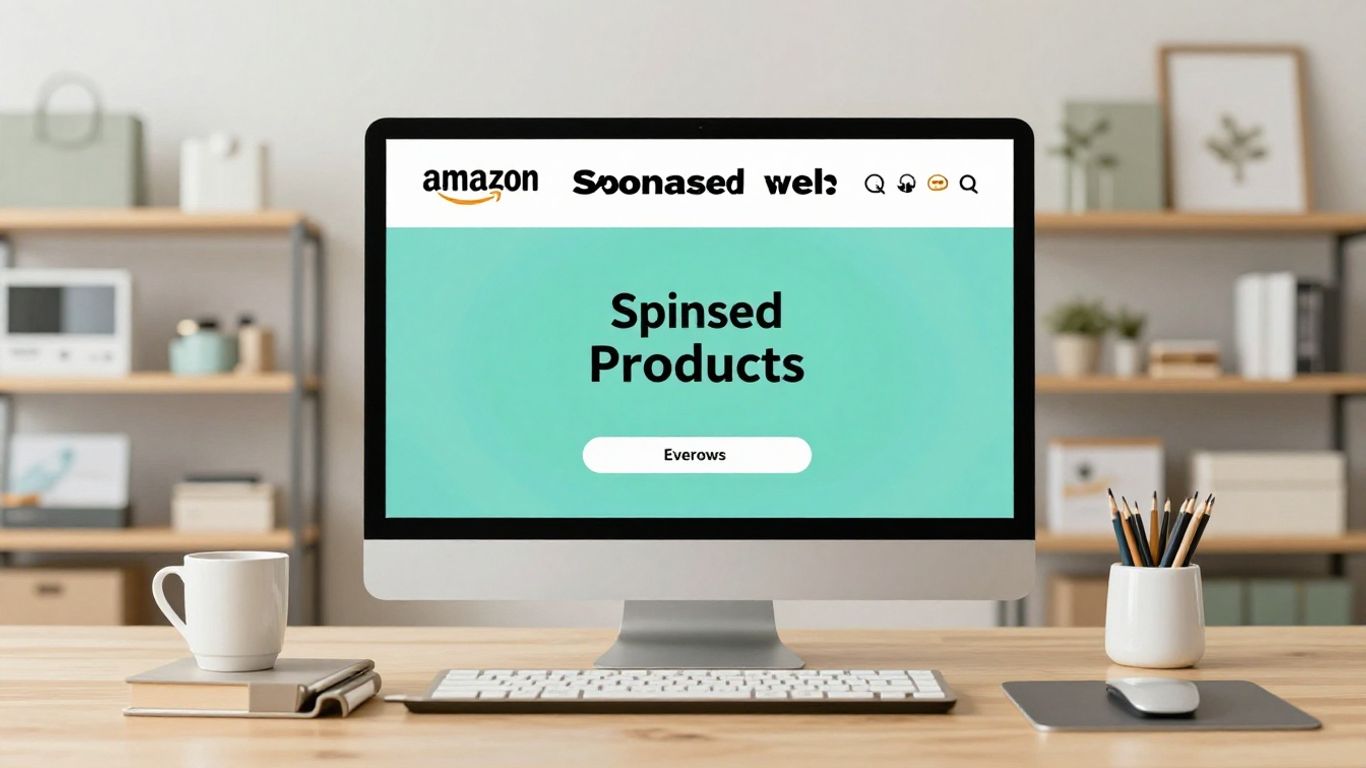
Sponsored Products ads are your main tool for getting your items in front of shoppers who are actively searching for them on Amazon. Think of these ads like putting your product on a shelf right in the aisle where customers are browsing. They work on a pay-per-click (PPC) model, so you only pay when someone actually clicks on your ad. You’ll see these ads pop up in a few different spots: at the top of search results, on other product pages, and even within search results themselves.
When you’re launching a new product, the primary goal with Sponsored Products isn’t necessarily to make a profit right away. It’s about getting sales and building momentum. Every sale you make through these ads helps your product rank higher organically, which is a big win down the road. So, you might see a higher cost-per-acquisition (CPA) at first, and that’s okay. It’s an investment in getting your product seen.
Here’s a basic approach to get started:
- Campaign Types: Start with both automatic and manual campaigns. Automatic campaigns are great for discovering new keywords people are using to find products like yours. Manual campaigns, especially using exact and broad match types, let you target specific keywords you already know are relevant.
- Keyword Strategy: Don’t be afraid to bid on a wide range of keywords initially. The goal is to gather data. See which terms bring in clicks and sales. You can always refine your bids and targeting later.
- Bidding: Consider bidding higher for top-of-search placements. While it costs more per click, it often leads to better visibility and conversion rates, especially during a launch.
- Budget: Set a daily budget that you’re comfortable with. It’s better to have a consistent presence than to run out of budget too quickly.
During the initial launch phase, view your Sponsored Products spend as a marketing investment. The primary objective is to drive sales volume and gather valuable data on customer search behavior. This data is gold for optimizing your listing and future ad campaigns, ultimately improving your organic search ranking over time.
Keep an eye on your click-through rate (CTR) and conversion rates. These metrics tell you how effective your ads are at grabbing attention and turning clicks into sales. Regularly review your campaign performance and make adjustments as needed. It’s an ongoing process, but getting it right can make a huge difference for your product’s success on Amazon.
3. Sponsored Brands
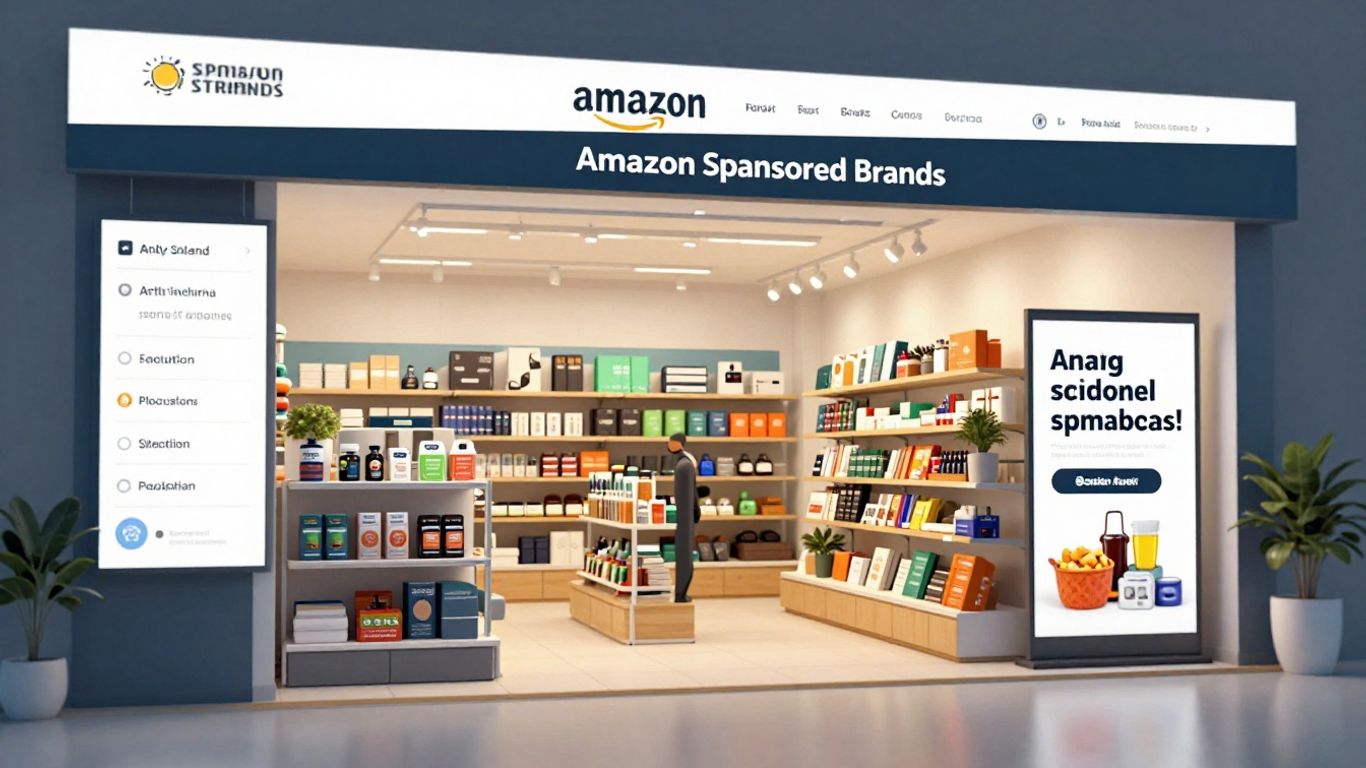
Sponsored Brands ads are a pretty neat way to get your brand noticed on Amazon, especially when shoppers are just starting their search. Think of them as digital billboards that can show up in prime spots, like right at the top of the search results page. This isn’t just about one product; you can actually showcase a few items, your brand logo, and even a custom headline. It’s a solid way to build brand awareness and send people over to your product pages or your dedicated Amazon Brand Store.
When you’re setting these up, really think about the words people are typing into the search bar. Your keywords need to match what customers are actually looking for. Also, make sure your headlines and images are eye-catching. Nobody clicks on boring ads, right?
Here are a few things to keep in mind:
- Headline Relevance: Your headline should clearly connect to the products you’re advertising and the search terms customers are using. Don’t make them guess.
- Product Selection: Pick products that are already in good shape – meaning their listings are optimized and ready to turn clicks into sales. These ads send traffic straight to those pages.
- Targeting: Try using a mix of keyword match types (broad, phrase, exact). This helps you catch a wider net of relevant searches without missing out on specific terms.
- Creative Assets: Good images are a must. If it makes sense for your product, consider using Sponsored Brands Video too. It can really grab attention.
Sponsored Brands are particularly useful when you’re launching something new. Because they can appear before a shopper even clicks on a specific listing, that early visibility can give your launch a real boost. The main idea is to connect with shoppers and get them interested in your brand. Using these ads well can definitely help your products get seen more and drive sales from the get-go.
4. Amazon DSP
Amazon DSP, or Demand-Side Platform, is where things get interesting beyond Amazon’s own site. Think of it as your ticket to reaching potential customers before they even land on Amazon, or bringing them back if they’ve browsed before. It’s a way to put your brand and products in front of a much wider audience across the web, including on Amazon’s own sites and apps, but also on third-party websites and apps.
This is your tool for building brand awareness and driving demand off-Amazon.
Here’s a quick look at what it lets you do:
- Targeting Options: You can get pretty specific here. Target audiences based on their shopping behaviors, interests, demographics, and even if they’ve previously viewed your products or similar ones. You can also target specific websites or apps.
- Ad Formats: DSP offers various ad formats, from display ads and video ads to audio ads. This means you can get creative with how you present your brand.
- Reach: It allows you to reach audiences on Amazon’s properties (like Amazon.com, IMDb, Twitch) and across the broader internet through Amazon’s ad network.
Using Amazon DSP effectively means thinking beyond just immediate sales. It’s about building your brand’s presence and guiding potential buyers into the Amazon ecosystem. You’re essentially creating your own demand, rather than just waiting for it to show up.
When you’re planning your ad spend, consider how DSP fits into your overall strategy. It’s not just about placing ads; it’s about strategically reaching people who are likely to be interested in what you offer, whether they’re actively searching on Amazon or just browsing online.
5. Amazon Marketing Cloud

Alright, let’s talk about Amazon Marketing Cloud, or AMC. If you’re serious about understanding what’s really going on with your advertising and sales on Amazon, this is where you need to be looking. Think of it as the super-powered analytics tool that goes way beyond what you see in Seller Central or even Advertising Console.
AMC lets you connect your Amazon advertising data with your sales data, giving you a much clearer picture of your overall business performance. It’s not just about how many clicks your ads got; it’s about how those ads actually impacted your sales, your profitability, and your brand’s growth over time. This is super important because it helps you stop guessing and start making decisions based on real numbers.
Here’s what you can really dig into with AMC:
- Cross-channel insights: See how different ad campaigns, like Sponsored Products and Sponsored Brands, work together. You can figure out which ones are driving the most valuable sales, not just the most clicks.
- Attribution modeling: Understand which touchpoints in the customer journey are most effective. Did someone see a Sponsored Brand ad, then search for your product, and then buy? AMC can help you connect those dots.
- Audience insights: Get a better handle on who your customers are and how they interact with your brand across Amazon.
- Custom reporting: Build reports that matter most to your specific business goals, rather than trying to fit your data into pre-made boxes.
Using AMC effectively means you can move beyond simple metrics like ACoS (Advertising Cost of Sale) and start focusing on TACoS (Total Advertising Cost of Sale). This shift is vital because it accounts for your entire advertising spend against your total sales, giving you a true measure of profitability. It helps you see the forest for the trees, so to speak.
It takes some effort to set up and get the most out of AMC, especially if you’re not a data whiz. You’ll likely need to work with someone who understands how to pull, clean, and interpret the data. But the payoff is huge. You get a much more accurate view of your advertising ROI and can optimize your spend to drive real, sustainable growth for your brand on Amazon.
6. Brand Registry
Getting your brand officially registered with Amazon is a pretty big deal. Think of it as your official stamp of approval, giving you access to a whole suite of tools designed to protect your intellectual property and make your listings stand out. Without it, you’re basically leaving yourself open to a lot of potential problems, like copycats or unauthorized sellers.
The biggest perk of Brand Registry is the ability to use A+ Content. This lets you go way beyond the standard product description. You can add extra images, comparison charts, and more detailed text modules to really tell your product’s story. It’s not just about making things look good, though. This is where you can clearly explain your product’s benefits, show it in action, and build up trust with shoppers. When people can see more and understand more, they’re more likely to hit that ‘Add to Cart’ button.
Here’s a quick look at what Brand Registry helps you do:
- A+ Content: Add rich media like images and detailed text to your product pages. This helps shoppers visualize the product and understand its value better.
- Brand Store: Create your own dedicated storefront on Amazon. It’s a place to showcase your full product line, tell your brand’s story, and build credibility.
- Protection Tools: Gain access to features like Project Zero and Transparency, which help prevent counterfeit products from reaching customers.
- Search Visibility: Registered brands often see improved search placement, making it easier for customers to find your products.
Registering your brand isn’t just about looking official; it’s about actively managing and protecting your business on Amazon. It gives you the power to control your brand’s narrative and defend against bad actors.
When you’re setting up your A+ Content or Brand Store, think about what a customer needs to know. What questions might they have? How can you show them your product is the best choice? Using these tools effectively can really make a difference in how well your products perform.
7. Project Zero
Project Zero is Amazon’s initiative to help brands fight counterfeits. It’s basically a set of tools and programs designed to keep fake products from ever reaching customers. Think of it as a digital gatekeeper for your brand’s reputation on Amazon.
The core idea is to empower brands to proactively remove counterfeit listings before they cause damage. This isn’t about reacting after the fact; it’s about stopping the problem at the source.
Here’s how it generally works:
- Product Serialization: You can enroll your products in a serialization program. Each unit gets a unique code. Amazon then scans these codes at fulfillment centers to verify authenticity. If a product doesn’t have a valid code, it can’t be sold.
- Automated Protection: Amazon uses machine learning to scan through millions of listings daily, looking for potential counterfeit products. If it finds something suspicious, it flags it for review.
- "Report a Counterfeit" Tool: This gives brands a direct way to report suspected counterfeit products. It’s a more streamlined process than traditional methods.
Using Project Zero means you’re actively participating in keeping your brand’s integrity intact. It’s a partnership with Amazon to ensure customers get genuine products, which in turn protects your sales and brand image from bad actors.
While Project Zero is powerful, it’s often used in conjunction with Amazon’s Brand Registry. Brand Registry gives you access to other protective tools, and Project Zero builds on that foundation by adding that serial-level tracking. It’s a layered approach to brand protection that’s pretty important in today’s market.
8. Amazon Seller Support
Dealing with Amazon Seller Support can sometimes feel like trying to get a straight answer out of a maze. It’s not always the easiest part of selling on Amazon, but it’s definitely important. When things go wrong, whether it’s an inventory issue, a payment problem, or a listing glitch, you need to get it sorted out quickly.
Knowing how to effectively communicate with Seller Support is key to resolving issues without losing valuable selling time. It’s not just about sending a ticket and waiting; it’s about providing clear, concise information and understanding their processes.
Here are a few things to keep in mind:
- Be Specific: Clearly state the problem, including order IDs, ASINs, or any relevant details. The more information you give them upfront, the faster they can help.
- Be Polite and Professional: Even when you’re frustrated, maintaining a calm and respectful tone usually gets better results. Remember, they deal with a lot of requests.
- Know When to Escalate: If your issue isn’t being resolved or you’re getting the runaround, don’t be afraid to ask for a supervisor or request an escalation. Sometimes, a different agent or a higher level of support is needed.
- Document Everything: Keep records of all your communications, including ticket numbers, dates, times, and the names of the representatives you speak with. This is helpful if you need to follow up or escalate.
Sometimes, you might find yourself needing to get a reimbursement for lost or damaged inventory. Amazon does make mistakes, and having a process to track these and request compensation is smart business. It’s about making sure you don’t lose money due to errors that aren’t your fault.
Getting stuck with a problem that Seller Support can’t seem to fix can halt your sales momentum. Having a strategy for how you approach them, and knowing the right questions to ask, can save you days or even weeks of lost productivity. It’s about getting your account back on track so you can focus on selling.
9. Amazon Reimbursement Audit
Let’s talk about money that’s already yours but might be stuck in Amazon’s system. It’s easy to get caught up in driving new sales, but sometimes, the quickest way to boost your bottom line is by reclaiming what you’re owed. Amazon, like any massive operation, makes mistakes. They might lose your inventory, damage products in their warehouses, or even mess up fee calculations. An Amazon reimbursement audit is basically a thorough check of your account history to find these slip-ups and get your money back.
This process can uncover lost revenue that’s rightfully yours.
Think about it: even a small percentage of your total sales, lost due to Amazon’s errors, adds up fast. In today’s market, where every dollar counts, recovering these funds can make a real difference to your profitability. It’s not about finding loopholes; it’s about ensuring you’re not losing money because of administrative errors.
Here’s a look at common areas where reimbursements are often due:
- Inventory Issues: This covers lost or damaged stock while it’s in Amazon’s care. If they can’t find your item or it gets damaged, you should be compensated.
- Shipping and Receiving Errors: Mistakes can happen when Amazon receives your shipments or when they ship orders to customers. This could include incorrect weight or dimension charges, or issues with delivery.
- Customer Returns: Sometimes, customers return items that are damaged or used, but Amazon might still issue a full refund to the customer and not reimburse you properly for the unsellable returned item.
- Incorrect Fees: Amazon charges various fees for storage, fulfillment, and other services. Errors in these calculations can lead to overcharges.
Regularly auditing your account for these potential reimbursements is a smart business practice. It’s like finding hidden profit that doesn’t require extra ad spend or product development.
While you can try to do this yourself, it’s a time-consuming task. Many sellers partner with specialized services that have the tools and knowledge to systematically comb through years of data. They know exactly what to look for and how to file claims effectively. It’s a way to get back money that’s already been earned, without adding more work to your already busy plate.
10. Amazon FBA Prep Service
Getting your products ready to ship to Amazon’s fulfillment centers is a step that many sellers overlook, but it’s actually pretty important. This is where the Amazon FBA prep service comes in. Think of it as the final quality check and packaging process before your items even hit Amazon’s warehouse.
A good prep service makes sure your products meet all of Amazon’s strict requirements. This isn’t just about slapping a label on a box. It involves things like poly bagging, bubble wrapping, bundling items together if needed, and applying FNSKU labels correctly. If these things aren’t done right, Amazon might reject your shipment, or worse, charge you extra fees for them to fix it. That can really mess with your inventory’s status and slow down when it actually becomes available for customers to buy.
Here’s what a solid FBA prep service typically handles:
- Labeling: Applying FNSKU labels so Amazon knows exactly which seller an item belongs to.
- Packaging: Ensuring items are protected with poly bags, bubble wrap, or other materials as needed.
- Bundling: Combining multiple units into a single sellable unit when required.
- Inspection: Checking for any damage or defects before shipment.
- Kitting: Assembling different components into a finished product.
Choosing the right prep service can save you a lot of headaches. It means your products arrive at Amazon ready to go, which helps maintain your sales velocity and keeps your advertising efforts from being wasted due to stockouts caused by receiving delays. It’s a small detail that can have a big impact on your overall Amazon business.
Getting your products ready for Amazon is super important. Our FBA prep service handles all the boxing, labeling, and getting your items ready to ship to Amazon warehouses. We make sure everything is perfect so your products can start selling fast. Want to learn more about how we can help your Amazon business grow? Visit our website today!
Your 2026 Amazon Playbook: Ready to Execute
So, we’ve walked through what it takes to really succeed on Amazon in 2026. It’s clear that the old ways of just hoping for the best aren’t going to cut it anymore. We’re talking about a marketplace that’s gotten way more complex, but honestly, the chance to grow your brand is bigger than ever. By moving away from a ‘set it and forget it’ mindset to a more thought-out, custom plan, you’re not just selling products; you’re building something that can last. Ready to see what a plan built just for your brand looks like? Let’s get to work.
Frequently Asked Questions
Why is the old way of selling on Amazon not working anymore?
Back in the day, you could get by with basic product photos and simple ads. But now, Amazon is way more complex. The system looks at everything, like how many people buy your stuff after seeing it and how you handle customer issues. To do well in 2026, you need a smart plan that’s made just for your brand, not a copied one.
What’s the most important first step for selling on Amazon in 2026?
Before you even think about ads, your product page needs to be perfect. This means using the right words that shoppers actually search for when they’re ready to buy. It’s also about telling a story with your pictures and descriptions, especially for people using their phones, since most shopping happens there now.
Is focusing only on Return on Ad Spend (ROAS) enough for ads?
Not really. ROAS tells you how much money you make back from your ad spending, but it doesn’t show if your whole business is actually making a profit. A better way to look at it is TACoS (Total Advertising Cost of Sales). This checks your ad spend against ALL your sales, giving you a clearer picture of your actual profit.
How can I protect my brand on Amazon?
Protecting your brand is super important. This means signing up for Brand Registry to get access to tools that stop fake products. You can also use Project Zero to catch counterfeits before they reach customers. If you have problems, knowing how to get help from Amazon Seller Support quickly is key.
What’s an Amazon reimbursement audit and why do I need one?
Amazon sometimes makes mistakes, like losing your products or charging you too much. An audit is like a detective looking through your account history to find these errors and help you get your money back. This ‘found money’ can really help your business, especially when profits are tight.
How does data help me sell better on Amazon?
You can’t improve what you don’t measure. In 2026, just checking your account once a day isn’t enough. You need to use special tools that show you all your important numbers, like how much profit you’re making on each product, how much stock you have, and how your ads are doing compared to your regular sales.